2026 Best Safety Vest for Global Buyers How to Choose?
In today’s fast-paced working environment, safety is paramount. Choosing the right safety vest is crucial for visibility and protection. John Smith, a safety gear expert, states, “A safety vest can mean the difference between safety and danger.” With various options, selecting the best safety vest in 2026 requires careful consideration.
When evaluating a safety vest, consider material quality and reflective features. Not all vests offer the same level of visibility. It’s essential to find a vest that meets industry standards. There are many choices available, but not all are created equal. Each vest serves different purposes and environments.
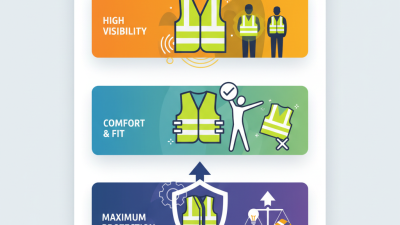
Investing in a high-quality safety vest can save lives. However, some buyers overlook crucial details. Comfort, fit, and durability are just as important as brightness. Finding a balance between style and function is key. As the industry evolves, buyers must stay informed. A lack of attention to these aspects could lead to regrettable choices. Make sure you weigh all factors carefully before making a decision.

Understanding the Importance of Safety Vests in Various Industries
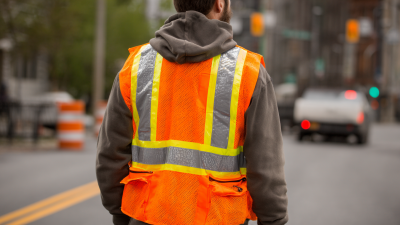
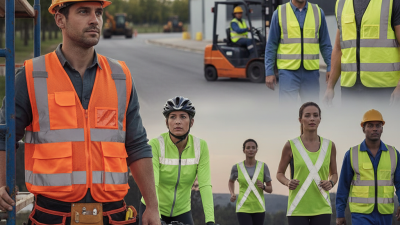
Safety vests play a crucial role in various industries, protecting workers in high-risk environments. They are designed to enhance visibility, especially in low-light conditions or busy workspaces. Construction sites, roadwork, and airports often rely on these vests to prevent accidents. Many workers may underestimate their importance, leading to avoidable injuries. It’s essential to recognize that a simple garment can save lives.
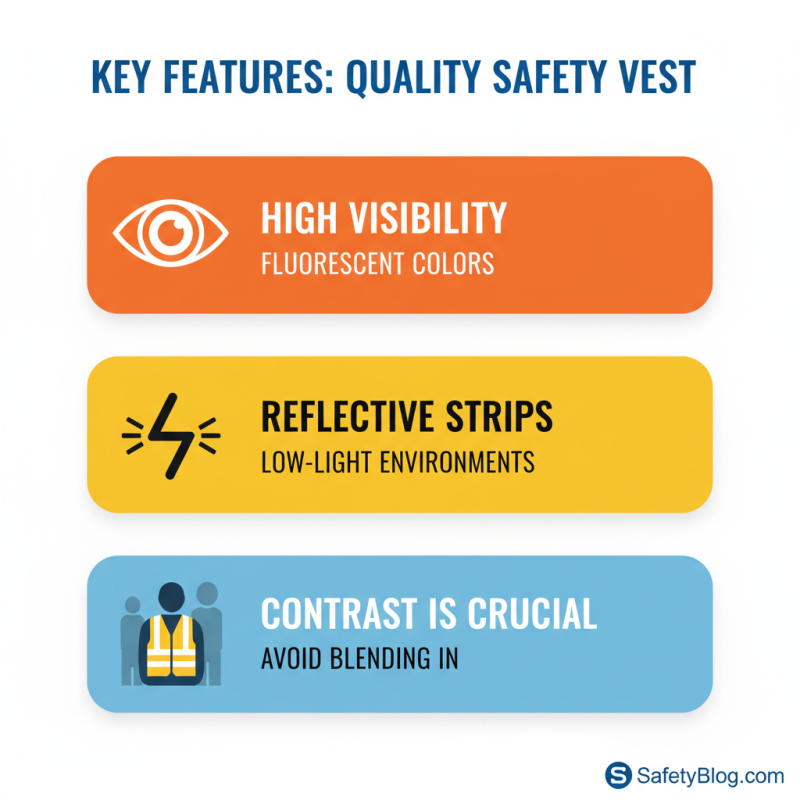
When choosing a safety vest, consider fabric type and color. Bright colors like fluorescent yellow or orange are more visible. Look for vests with reflective stripes for added safety. Durability is also key; vests should withstand wear and tear in tough conditions. Remember, cheap options might not provide adequate protection. Invest in quality gear to ensure your safety on the job.
Tip: Always check for proper sizing to ensure comfort and mobility. A poorly fitting vest can hinder work performance. Also, assess the specific needs of your work environment. Different industries may require various features, like additional pockets or customizable fits. Prioritize these factors to make the safest choice.
2026 Best Safety Vest Analysis in Various Industries
Different Types of Safety Vests for Specific Applications
When selecting a safety vest, understanding the different types is crucial.
Reflective vests are common in roadwork and construction. They enhance visibility in low-light conditions.
Bright colors, like neon yellow, are often used to improve safety on job sites.
However, they may not be ideal for every work environment.
There are insulated vests for cold weather tasks. These provide warmth and visibility but can restrict movement.
A balance between comfort and safety is vital.
Mesh vests, on the other hand, are suitable for warm climates. They offer breathability while maintaining visibility.
However, they may not provide enough warmth for chilly conditions.
Choosing the right vest depends on the task at hand.
Assess the environment and potential hazards.
Reflect on the specific features needed.
Durability and comfort should not be overlooked.
A well-fitted vest enhances safety and productivity.
Investing time in this choice can make a significant difference in workplace safety.
How to Determine the Right Size and Fit for Safety Vests
Choosing the right size and fit for safety vests is crucial for comfort and effectiveness. According to recent industry reports, nearly 55% of workers feel their safety gear is not adequately fitted. This can compromise protection, making fit a top priority, especially in high-risk environments.
To determine the right size, start by measuring the chest and waist. A well-fitted vest should allow for movement without being excessively loose. Safety vests typically come in several sizes ranging from small to extra-large. For precise fitting, consult size charts provided by manufacturers, which often include specific measurements in inches. Also, consider the layering of clothing underneath the vest. In colder climates, this can influence size choice.
Testing the vest by wearing it for a short time can reveal discomfort or restricted movement. Straps should be adjustable, ensuring a secure fit without pinching. It’s also advisable to evaluate the vest's visibility. In a study conducted in 2023, visibility was linked to a 40% reduction in accidents among construction workers. A well-fitted, high-visibility vest not only enhances safety but boosts confidence on the job.
Selecting the Best Materials and Colors for Visibility and Safety
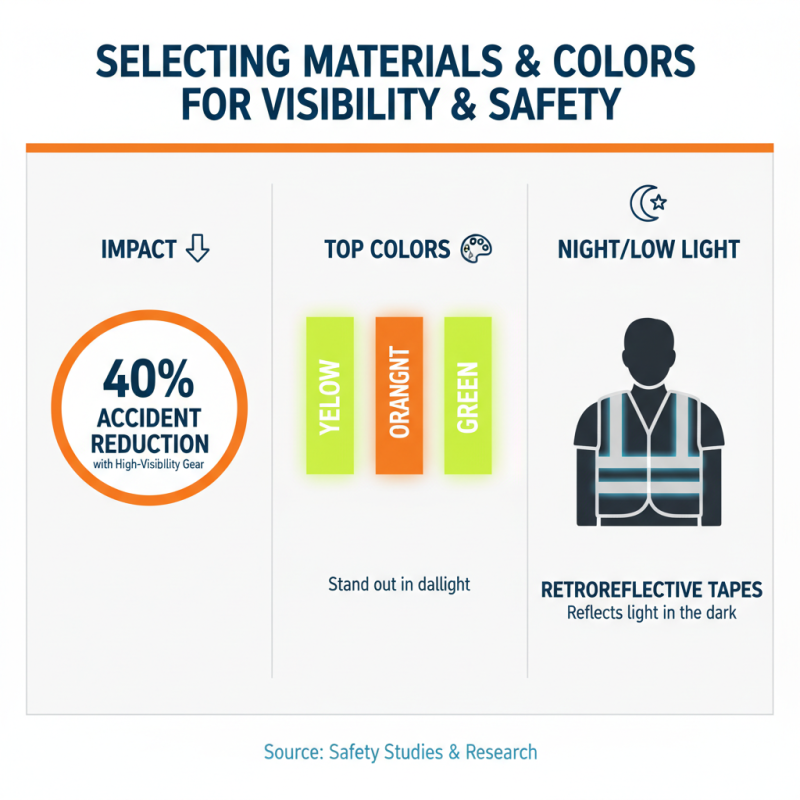
When choosing safety vests, visibility is crucial. Studies reveal that high visibility gear can reduce accidents by up to 40%. To enhance visibility, bright colors such as fluorescent yellow, orange, or green are essential. These colors stand out against many backgrounds. Materials that reflect light, like retroreflective tapes, also significantly improve visibility at night or in low-light conditions.
A report from the Occupational Safety and Health Administration (OSHA) highlights the importance of selecting appropriate materials. Polyester and mesh fabrics are commonly used, as they are lightweight and breathable. These materials keep workers comfortable during long hours. However, not all fabrics provide the same durability or protection. Testing for tear resistance and moisture-wicking properties can help ensure a long-lasting vest.
Tips: Always check for safety standards certifications. Look for vests with multiple reflective strips for enhanced visibility. Regularly inspect the vest for wear and tear to ensure it remains effective. Reflect on how colors perform in different environmental conditions. Choosing the right vest requires thoughtful consideration of material and color to truly prioritize safety.