Why You Should Always Wear a Safety Vest for Optimal Protection on Job Sites
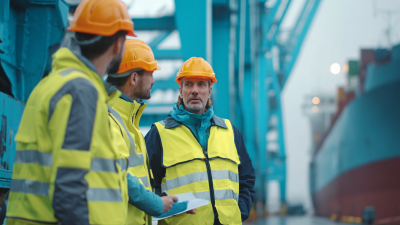
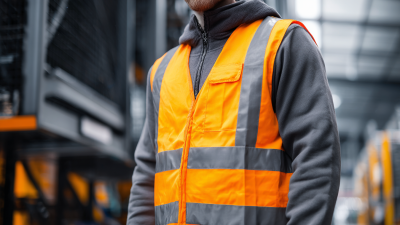
In the bustling environment of job sites, safety should always be a top priority. One essential piece of protective equipment that should never be overlooked is the safety vest. Designed to enhance visibility in various working conditions, safety vests serve as a critical barrier against potential hazards, ensuring that workers are seen and recognized by their peers and machinery operators alike. Whether it is a construction site, road work, or any industrial setting, wearing a safety vest dramatically reduces the risk of accidents and injuries.
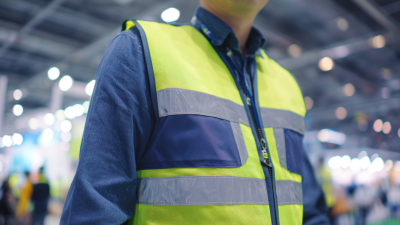
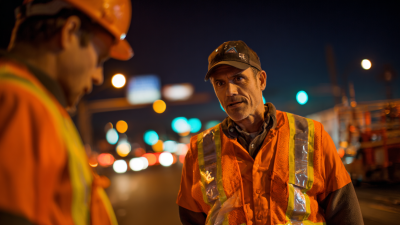
Moreover, safety vests are not just for the sake of compliance with regulations; they are a symbol of a proactive approach to workplace safety. The bright colors and reflective strips inherent to most safety vests make it easier for workers to be spotted, especially in low-light or high-traffic situations. By investing in a good safety vest, workers demonstrate their commitment to maintaining a secure environment, fostering a culture of awareness and responsibility among their colleagues. Finally, adopting the use of safety vests aligns with best practices laid out by safety organizations, ultimately contributing to a safer and more efficient workplace for everyone involved.
Importance of High Visibility in Hazardous Work Environments
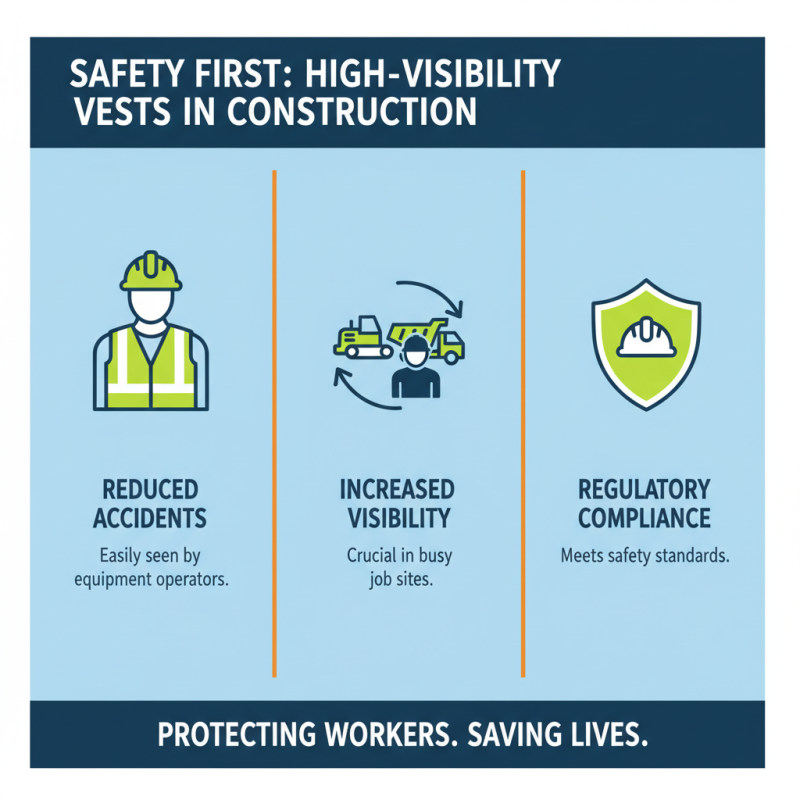
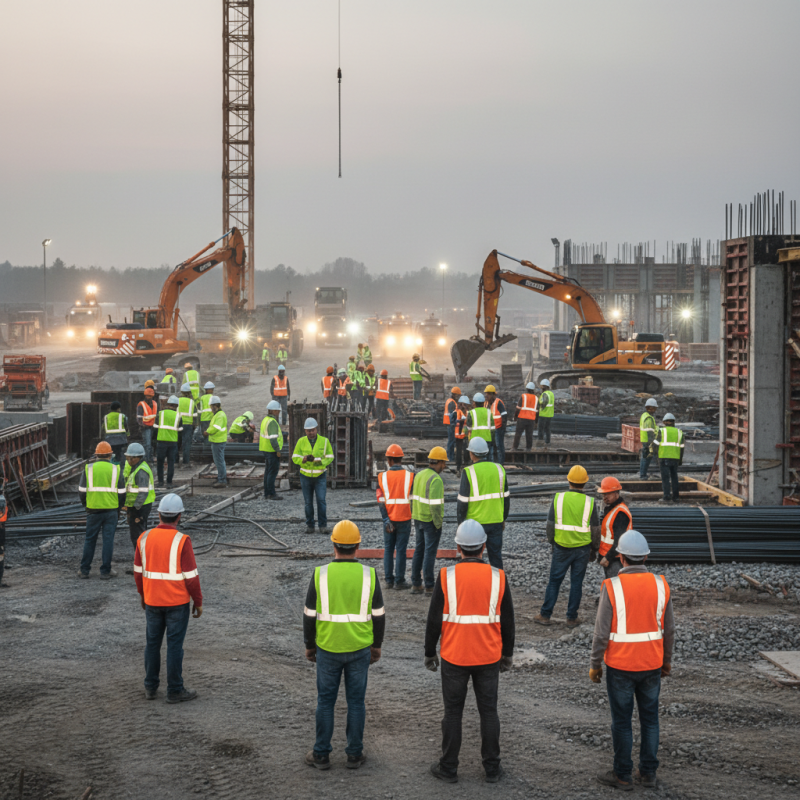
In hazardous work environments, high visibility is crucial for ensuring the safety of employees. According to the Bureau of Labor Statistics, nearly 20% of workplace fatalities occur in construction and similar fields, often due to accidents involving vehicles and machinery. Wearing a safety vest greatly improves a worker's visibility, making it easier for operators of heavy machinery to spot them, especially in low-light conditions or adverse weather. The National Institute for Occupational Safety and Health (NIOSH) reports that high-visibility clothing can significantly reduce the risk of accidents by as much as 43% in busy job sites.
Moreover, studies have shown that in environments where workers interact with vehicles or machinery, high visibility apparel is essential. The Occupational Safety and Health Administration (OSHA) emphasizes that workers exposed to traffic and moving equipment should wear personal protective equipment designed specifically for high visibility. This includes vests with reflective material that enhance visibility regardless of ambient lighting conditions. The use of safety vests not only protects individual workers but also fosters a safer work environment, as it promotes awareness among all personnel on-site, ultimately reducing the likelihood of accidents and injuries.
Importance of High Visibility on Job Sites
Statistics on Workplace Accidents and the Role of Safety Vests
Workplace safety remains a critical concern across various industries, with statistics highlighting the alarming rate of accidents that occur on job sites. According to the National Safety Council (NSC), more than 4,100 workers were killed on the job in 2020 alone, with many other non-fatal injuries resulting in significant time off work. High-visibility safety vests play a crucial role in preventing accidents by ensuring that workers are easily seen, especially in environments where heavy machinery is used or where visibility is compromised.
The Occupational Safety and Health Administration (OSHA) emphasizes that wearing appropriate high-visibility apparel can significantly decrease the risk of being involved in an accident. In construction and roadwork settings, the chances of accidents can triple when personnel are not wearing safety vests. Furthermore, a report from the Bureau of Labor Statistics indicates that jobs in construction and manufacturing, traditionally associated with higher injury rates, can see a reduction in accidents by up to 50% with the implementation of proper safety gear, including high-visibility vests. Such data underscores the importance of adopting safety measures to protect workers and enhance overall workplace safety.
Benefits of Safety Vests in Preventing Injuries on Job Sites
Wearing a safety vest on job sites is critical for ensuring optimal protection and minimizing the risk of injuries. According to the Bureau of Labor Statistics, almost 20% of workplace fatalities in the construction sector result from accidents where workers were not visible to moving equipment. Safety vests, which often come in bright colors and feature reflective materials, significantly enhance a worker's visibility, allowing equipment operators and other personnel to identify them from a distance. This added visibility is especially crucial in busy environments where multiple tasks and moving parts can create confusion.
In addition to enhancing visibility, safety vests play a vital role in promoting a culture of safety on job sites. A study conducted by the National Institute for Occupational Safety and Health (NIOSH) indicated that workplaces that prioritize visible safety gear experience a 30% reduction in incident rates. This means that not only does wearing a vest protect individual workers, but it contributes to overall site safety, fostering teamwork and vigilance among employees.
Tips for ensuring maximum protection include regularly inspecting your safety vest for signs of wear or damage, as frayed edges or faded colors can reduce visibility. Additionally, always make it a policy to wear a safety vest in high-risk areas, irrespective of on-site regulations; this sets a standard for safety awareness among all workers. By incorporating these practices, job sites can ensure that workers remain safe and visible, ultimately reducing injury rates and promoting a healthier work environment.
Regulatory Standards for Wearing Safety Gear in Construction Industry
In the construction industry, regulatory standards for wearing safety gear are established to protect workers from potential hazards. These standards, which vary by region and governing bodies, often require the use of high-visibility safety vests for personnel on job sites. This requirement is crucial, as construction areas are often busy environments where heavy machinery and vehicles operate simultaneously. Visibility is essential for ensuring that workers are easily seen by their colleagues and equipment operators, thereby reducing the risk of accidents.
Compliance with safety regulations is not only a matter of personal safety but also a legal obligation that employers must uphold. Regulatory agencies conduct regular inspections to ensure that construction sites adhere to safety standards, which include the mandatory use of safety vests. Failure to comply can lead to substantial penalties and jeopardize workers’ safety. By prioritizing these regulations, construction companies demonstrate their commitment to creating a safer working environment, which ultimately contributes to lower injury rates and increased productivity on job sites.
Choosing the Right Safety Vest: Features that Enhance Protection
When it comes to safety on job sites, wearing a safety vest is of paramount importance. However, not all vests are created equal, and choosing the right features can significantly enhance protection. For optimal safety, a vest should offer high visibility, durability, and comfort. According to the Occupational Safety and Health Administration (OSHA), high-visibility clothing can reduce the risk of accidents by making workers more noticeable, especially in low-light conditions. Vests that comply with ANSI standards are essential, as they ensure that the wearer is easily seen by machinery operators and other team members, which is critical in preventing mishaps.
Additionally, consider the material of the safety vest. Fabrics that are breathable and lightweight not only provide comfort during long hours but also reduce the risk of overheating. Some vests come equipped with features like built-in pockets and reflective strips, which add extra functionality and protection. A study by the National Safety Council found that wearing reflective gear can further decrease the chance of an accident by up to 50%.
**Tips**: When selecting a safety vest, look for one with adjustable straps to ensure a snug fit, as this enhances visibility without compromising comfort. Opt for vests that are machine washable to maintain hygiene standards on job sites. Lastly, regularly check your vest for wear and tear, as a damaged vest can greatly reduce its protective capabilities. Choosing the right safety vest can significantly impact not just your safety but also the overall safety culture of your workplace.
Why You Should Always Wear a Safety Vest for Optimal Protection on Job Sites - Choosing the Right Safety Vest: Features that Enhance Protection
| Feature |
Description |
Benefit |
| High Visibility Material |
Bright colors and reflective strips |
Increases visibility in low light and busy environments |
| Durability |
Made from strong, long-lasting fabrics |
Withstands wear and tear on job sites |
| Breathability |
Mesh panels and lightweight fabric |
Keeps the wearer cool and comfortable |
| Pockets |
Multiple utility pockets for tools and accessories |
Enhances convenience and functionality |
| Adjustable Fit |
Straps and fasteners for tightening or loosening |
Provides a secure and comfortable fit for all body types |
| Water Resistance |
Water-resistant materials |
Keeps the wearer dry in wet conditions |
| Compliance Standards |
Meets safety regulations (e.g., ANSI/ISEA 107) |
Ensures legal compliance and safety on job sites |