Best Hi Vis Vest for Safety and Visibility in Every Environment?
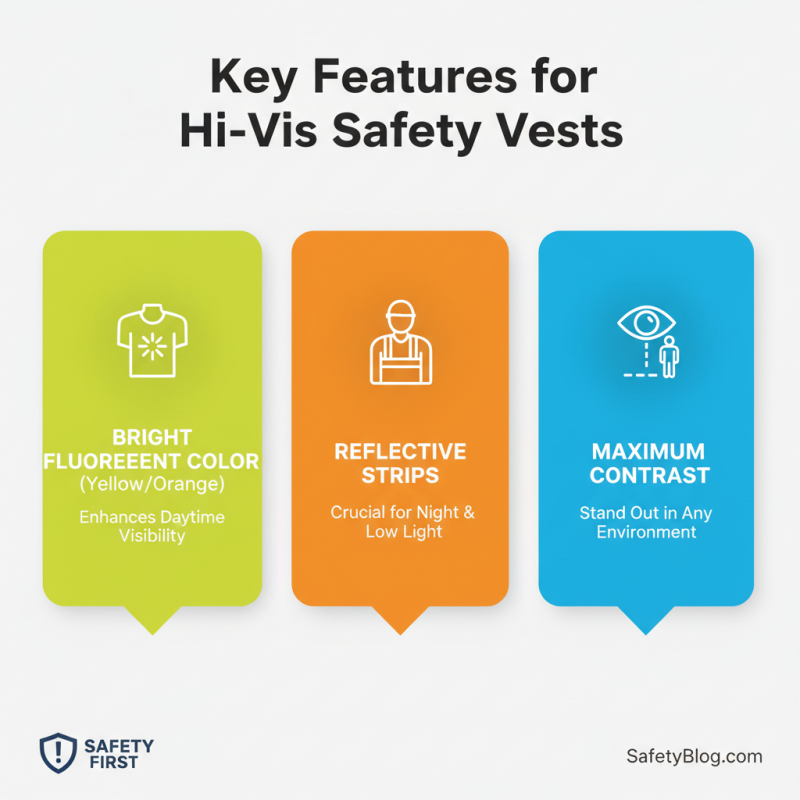
When it comes to safety and visibility, the Hi Vis Vest is an essential tool across various environments. These vests come in bright colors and reflective materials, making them vital for workers and pedestrians alike. Whether you’re on a construction site or cycling in low light, a Hi Vis Vest significantly increases your visibility to others.
Selecting the right Hi Vis Vest can be challenging. Different jobs require different features. Some vests prioritize breathability, while others offer extra pockets for equipment. It's crucial to consider your specific needs and environment. Unfortunately, some people overlook the importance of good quality. A poorly designed vest may not provide the visibility needed.
Ultimately, a Hi Vis Vest should meet safety standards while being comfortable. As you navigate your options, remember the balance between functionality and visibility. Investing time in choosing the right vest can greatly enhance your safety.
Choosing the Right Hi Vis Vest for Different Working Environments
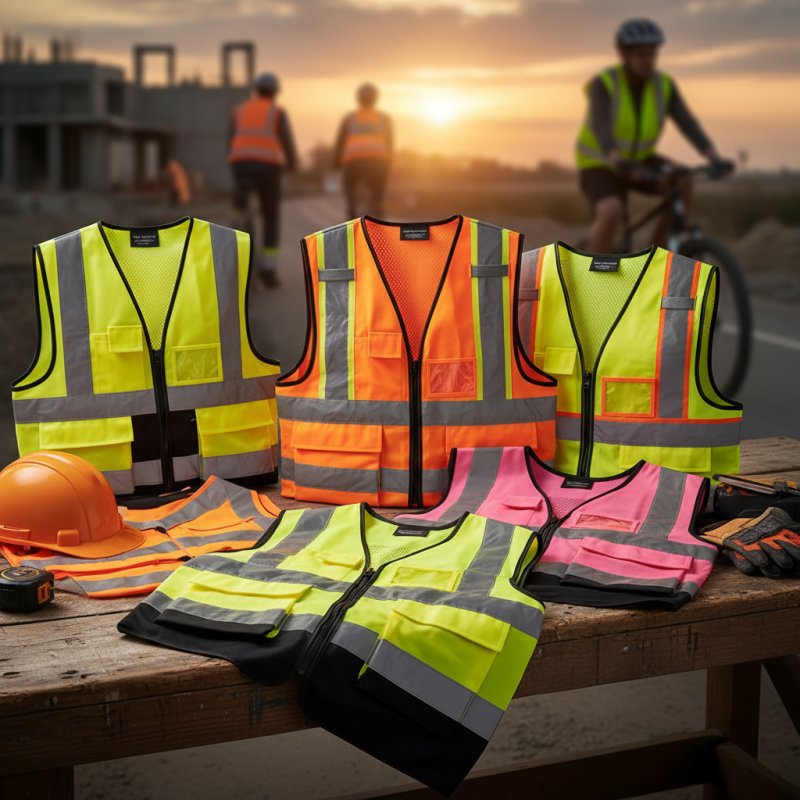
When selecting a hi vis vest, consider the specific working environment. Construction sites often require vests with bright colors and retro-reflective strips. This ensures visibility in busy areas with heavy machinery. In contrast, vests for roadwork may prioritize highly reflective materials to enhance safety during nighttime or low-light conditions.
Different jobs may benefit from additional features. Some workers may need pockets for tools or communication devices. Others might prefer lightweight, breathable fabrics, especially in hot weather. A vest that keeps you comfortable increases the likelihood of wearing it consistently. This isn't just about style; it impacts safety.
Visibility can be a matter of life and death. The right vest will make a noticeable difference. However, choosing one shouldn't just be about requirements. Reflecting on past experiences can guide your choice. Perhaps a vest didn’t perform well in a prior job. Learning from such instances can sharpen your selection process, helping you find a better fit for future needs.
Material and Design Options for Optimal Comfort and Durability
When choosing a hi-vis vest, material and design play crucial roles in ensuring both comfort and durability. Light, breathable fabrics like polyester blends can keep you comfortable during long wear. These materials are often moisture-wicking, which helps in sweat management. You may want to consider vests with mesh panels for added ventilation. This can be especially beneficial in warm environments.
Design options also impact functionality and comfort. Look for adjustable straps for a customized fit. This feature can accommodate various body types. Pockets are another element to consider, as they provide secure storage for essential items. Reflective strips increase visibility, even in lower light. However, too many features can sometimes lead to bulkiness, potentially hindering movement.
Furthermore, not all hi-vis vests are suitable for every environment. Some materials may wear out quickly under harsh conditions, while others might not be breathable enough. Regular assessments are necessary to evaluate the durability and comfort of your chosen vest. Finding the right balance in both material and design may require some trial and error. Consider testing different options to discover what truly works for your specific needs.
Best Hi Vis Vest for Safety and Visibility in Every Environment
| Vest Type |
Material |
Reflectivity |
Comfort Level |
Durability |
Best Environment |
| Mesh Vest |
Polyester |
High Visibility |
Excellent |
Moderate |
Construction Sites |
| Class 2 Vest |
Nylon |
High Visibility |
Good |
High |
Traffic Control |
| Water-Resistant Vest |
Polyester with PU Coating |
High Visibility |
Good |
High |
Outdoor Work |
| Emergency Response Vest |
Cotton/Polyester Blend |
High Reflectivity |
Excellent |
Moderate |
Emergency Situations |
| Sleeveless Safety Vest |
Breathable Fabric |
Standard Reflectivity |
Very Good |
Medium |
Warehousing |
Regulatory Standards and Certifications for Hi Vis Vests
High visibility (Hi Vis) vests are essential in various work environments, enhancing safety and visibility. Regulatory standards ensure these vests meet specific criteria. ANSI/ISEA 107 is one of the primary standards in the United States. It sets guidelines for the design and performance of high-visibility clothing. Compliance with these standards is crucial for providing adequate protection.
According to a report by the U.S. Bureau of Labor Statistics, nearly 4,700 workplace fatalities occurred in 2020, with many involving workers in low visibility situations. In response, regulations were developed to improve situational awareness. For instance, Class 2 and Class 3 vests are often required in environments with complex backgrounds. Class 2 vests are suitable for roadside applications, while Class 3 vests offer the highest visibility for high-risk areas.
There are also international standards, such as EN ISO 20471 in Europe, which specify similar visibility requirements. These regulations emphasize the importance of reflective materials and fluorescent colors. Still, compliance does not guarantee safety. Workers must also consider factors like the vest's fit and comfort. An uncomfortable vest may lead to reduced wear, diminishing its protective value. Continuous evaluation of these factors is necessary to enhance safety in every environment.
Maintaining and Caring for Hi Vis Vests to Ensure Longevity
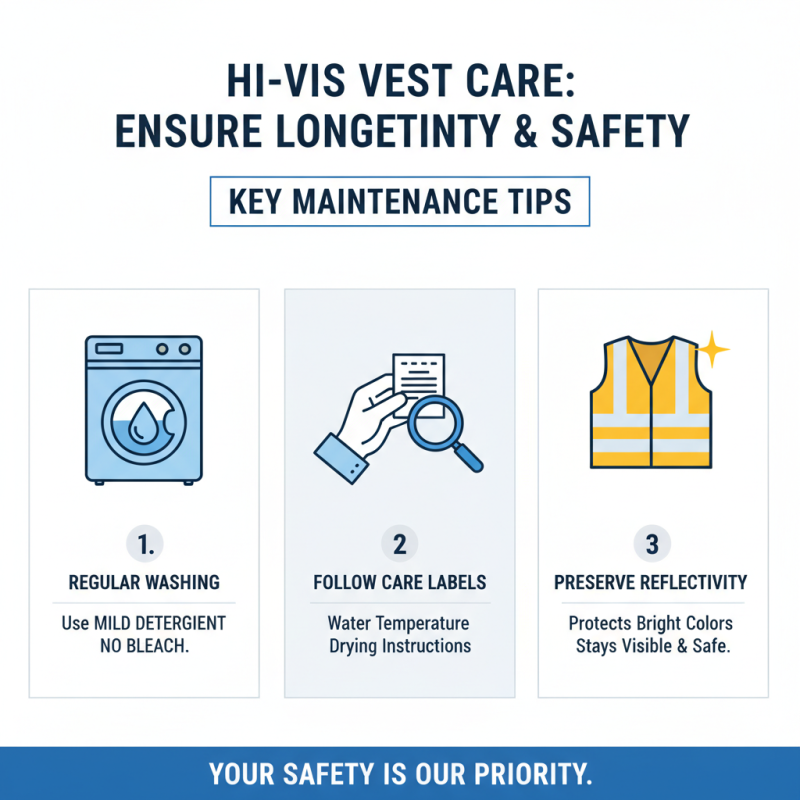
Maintaining your hi vis vest is essential for safety and visibility. Proper care keeps these garments effective in various environments. Regular washing is important. Use mild detergents and avoid bleach. This helps preserve the reflective strips and bright colors. Ensure you follow care labels closely.
Storing vests properly prevents damage. Choose a cool, dry place. Avoid hanging them in direct sunlight. Over time, UV rays can fade fabric. Regularly inspect your vest for stains or wear. Small rips can turn into larger problems. Fix issues early, so they don’t compromise safety.
Reflect on the way you use your vest. Frequent contact with oil, chemicals, or dirt can reduce visibility. If your vest becomes dirty, it’s crucial to clean it right away. Ignoring care can lead to replacement costs later. Keeping it clean ensures it remains a reliable safety tool.