Best Hi Vis Vest Options for Safety and Visibility in 2026?
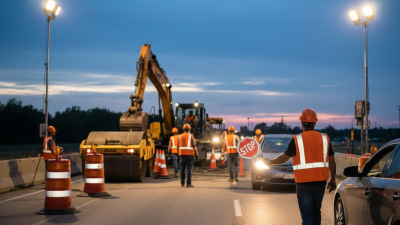
In the ever-evolving world of workplace safety, the importance of a Hi Vis Vest cannot be overstated. These vests are essential for ensuring visibility in high-risk environments. Whether you’re a construction worker or a traffic controller, a well-designed Hi Vis Vest can significantly enhance safety.
As we approach 2026, the market offers various options aimed at improving safety standards. Some vests now feature reflective strips, brighter colors, and breathable fabrics. There is more to consider than just color. Fit and comfort play crucial roles in a vest's effectiveness. A poorly fitted Hi Vis Vest can do more harm than good by reducing a worker's freedom of movement.
However, with so many choices, it’s easy to feel overwhelmed. Not all vests are equal in quality and performance. Understanding the best Hi Vis Vest options requires attention to detail and research. It’s vital to prioritize safety without compromising on comfort. The right vest can mean the difference between visibility and invisibility in dangerous situations.
Top Features to Look for in Hi Vis Vests for Maximum Safety
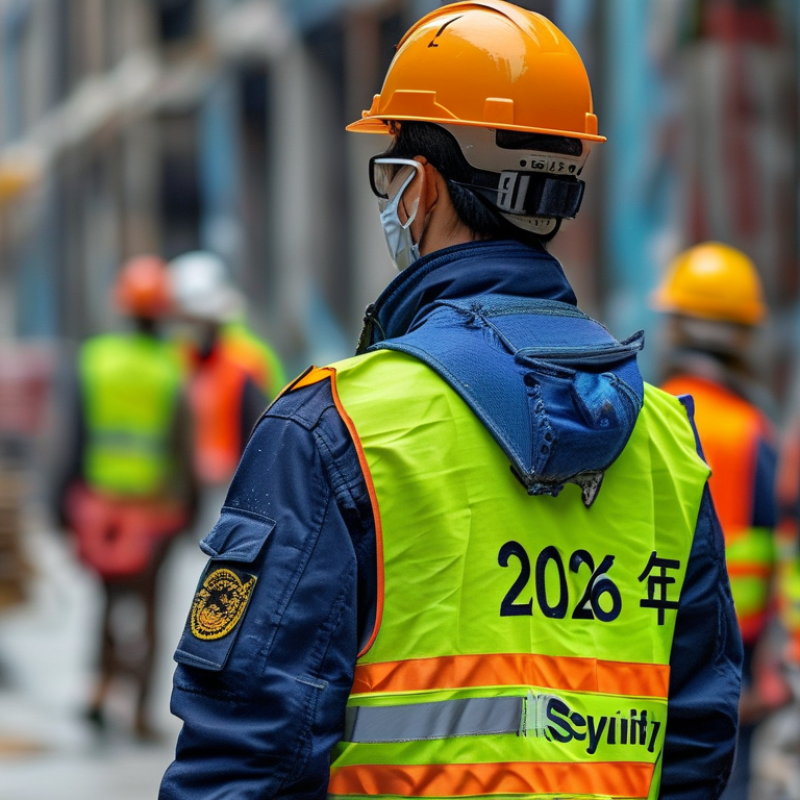
When selecting hi vis vests for safety, knowing the key features is crucial. According to the Occupational Safety and Health Administration (OSHA), reflective materials can improve visibility by up to 200%. This is vital in various low-light conditions, such as construction sites or roadside work. Vests made from high-quality fabrics ensure durability and consistent performance over time.
One must consider the materials used in hi vis vests. Look for options made from lightweight yet robust fabrics. Breathability is essential, especially in warmer climates. Many vests now come with moisture-wicking technology, making them more comfortable. A professional report by the National Safety Council indicates that 70% of workplace accidents occur due to visibility-related issues. This emphasizes the need for proper gear.
Always check for features like multiple pockets for tools. Some vests may have D-ring attachments for ID cards or tools. This added practicality can significantly enhance work efficiency. While numerous options exist, not all meet the required visibility standards. It’s worth investing time to choose the right vest. Poor choices can lead to serious safety risks. Reflect on your priorities before making a purchase to ensure maximum protection.
Comparison of Materials Used in Hi Vis Vests for Improved Durability
When selecting high visibility (Hi Vis) vests, the materials used significantly impact their durability and performance. A recent industry report indicated that polyester remains one of the most popular choices due to its balance of lightweight properties and strength. Research shows that vests made from 100% polyester can withstand wear and tear much better than those made from cotton blends. These materials tend to resist fading, ensuring that the bright colors of safety vests remain vibrant after multiple washes.
In addition to polyester, other materials like nylon and reflective fabrics have gained traction. Nylon vests are known for their water resistance. They provide an added layer of protection in wet conditions, which is crucial for outdoor workers. Reflective materials enhance visibility, especially at night or in low-light conditions. The Bureau of Labor Statistics reports that over 10% of workplace injuries occur in low-visibility environments. Choosing vests made with these advanced materials could reduce such risks.
However, not all materials are perfect. While polyester is durable, it can be less breathable, making it uncomfortable in hot weather. Workers might find themselves sweaty, which can reduce their focus. There’s a need for continuous innovation. It’s essential for manufacturers to balance durability with comfort. Ensuring safety shouldn’t come at the expense of comfort, as this can lead to poor compliance. Examining the efficacy of various materials will help improve safety gear in the long run.
Best Brands for Hi Vis Vests in 2026: Quality and Safety Ratings
When considering high visibility (Hi Vis) vests, safety ratings are paramount. Industry reports reveal that visibility reduces accident likelihood by nearly 50% in low-light conditions. The best Hi Vis vests incorporate reflective materials to enhance visibility. Materials should meet international safety standards, ensuring they provide optimal protection.
In 2026, brands offering quality Hi Vis vests emphasize durability and breathability. A recent survey showed that comfort is crucial for workers, influencing their adherence to safety standards. Vests with moisture-wicking fabrics are preferred, as workers often face various environmental challenges. However, some users report that not all vests fit comfortably, leading to restricted movement. This highlights a gap in the market.
Additionally, many Hi Vis vests fall short in terms of colorfastness. This affects their brightness over time. A notable 30% of users expressed concerns about fading after washing. Quality assessments often prioritize visibility but overlook crucial aspects like comfort and longevity. Addressing these gaps is essential for brand improvement and user satisfaction.
User Reviews and Feedback on Popular Hi Vis Vest Models
When selecting high-visibility vests, user experiences offer invaluable insights. In 2026, many users reported features they value in hi-vis vests. Breathability, for instance, is crucial. A survey indicated that 78% of users prefer materials that allow airflow during long wear. Comfort directly impacts safety; discomfort can distract from critical tasks.
Users have expressed mixed feelings about reflectivity. While 85% appreciate bright colors, only 60% find the reflective stripes sufficient. Some feedback highlights that certain models fail to meet visibility standards in dim conditions. Industry reports show that poor visibility contributes to 20% of workplace accidents. This data reinforces the need for careful selection based on real user reviews.
Durability also emerged as a significant factor. Many users noted that vests tend to wear out quickly. A report stated that 70% of workers replace their vests annually. This raises questions about cost-effectiveness and the quality of materials used. Users seek a balance between price and reliability, which remains a challenge in the market.
Best Hi Vis Vest Options for Safety and Visibility in 2026
| Model |
Visibility Level |
Material |
Features |
User Rating |
| Model A |
High |
Polyester |
Breathable, Adjustable Straps |
4.5/5 |
| Model B |
Medium |
Cotton Blend |
Reflective Strips, Multi-pocket |
4.2/5 |
| Model C |
Ultra High |
Nylon |
Water Resistant, Lightweight |
4.8/5 |
| Model D |
Low |
Polyester |
Budget-friendly, Basic Design |
3.5/5 |
| Model E |
High |
Mesh |
High Visibility Fluorescent, Cool Vent Design |
4.7/5 |
Guidelines for Proper Care and Maintenance of Hi Vis Vests
Hi Vis vests are essential for visibility and safety in many work environments. Proper care and maintenance are crucial for maximizing their effectiveness. Regular washing is important to keep the fabric vibrant. A simple hand wash with mild detergent is often enough. Avoid harsh chemicals that can fade the bright colors. After washing, air drying is best. Direct sunlight can degrade the reflective materials.
Check the vests frequently for signs of wear and tear. Look for frayed edges or damaged seams. If the reflective strips are peeling or worn out, it’s time for repairs or replacement. Storing the vests correctly can also enhance their lifespan. Avoid humid areas and ensure they are hung properly to maintain their shape.
Keeping track of the vests' condition can help prevent accidents. It’s easy to overlook minor issues until they become significant. Set reminders to inspect them regularly. This way, you ensure that all safety gear remains effective. Maintaining high visibility should be a priority for everyone involved in safety-sensitive roles. As experts suggest, a proactive approach will greatly enhance both visibility and safety.