Best Safety Vests for Construction Sites You Should Buy?
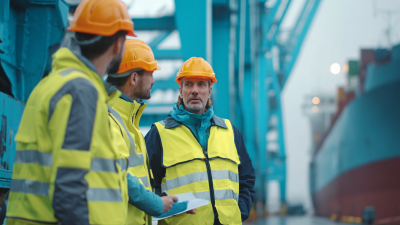
In the bustling world of construction, safety is paramount. Each year, around 200,000 injuries occur on job sites, highlighting the need for proper protective gear. Among the most critical pieces of equipment for workers is A Safety Vest. A high-visibility vest can significantly reduce the risk of accidents, ensuring workers are easily seen in busy environments.
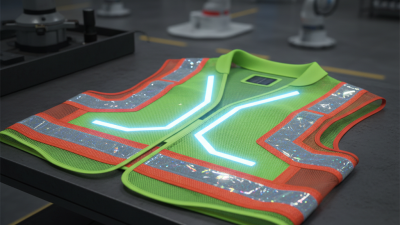
According to safety expert Dr. John Marshall, "A Safety Vest is not just a piece of clothing; it’s a lifeline." This underscores the importance of selecting the right vest. The market today offers a variety of designs tailored to specific conditions. Some vests feature reflective stripes for low-light environments, while others are designed with moisture-wicking materials for added comfort.
However, not all vests meet safety standards. It’s crucial to choose vests certified by relevant authorities. A poorly fitting or substandard vest can create more hazards than it eliminates. In an industry where every detail counts, ensuring that workers wear a reliable and effective A Safety Vest can make all the difference in avoiding tragic accidents.
Key Features to Look for in Construction Safety Vests
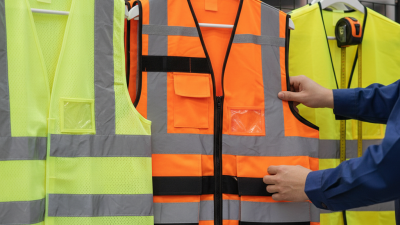
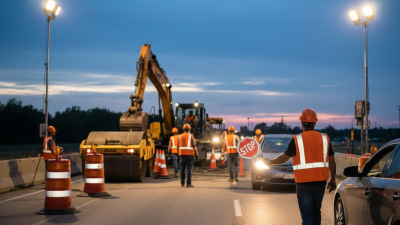
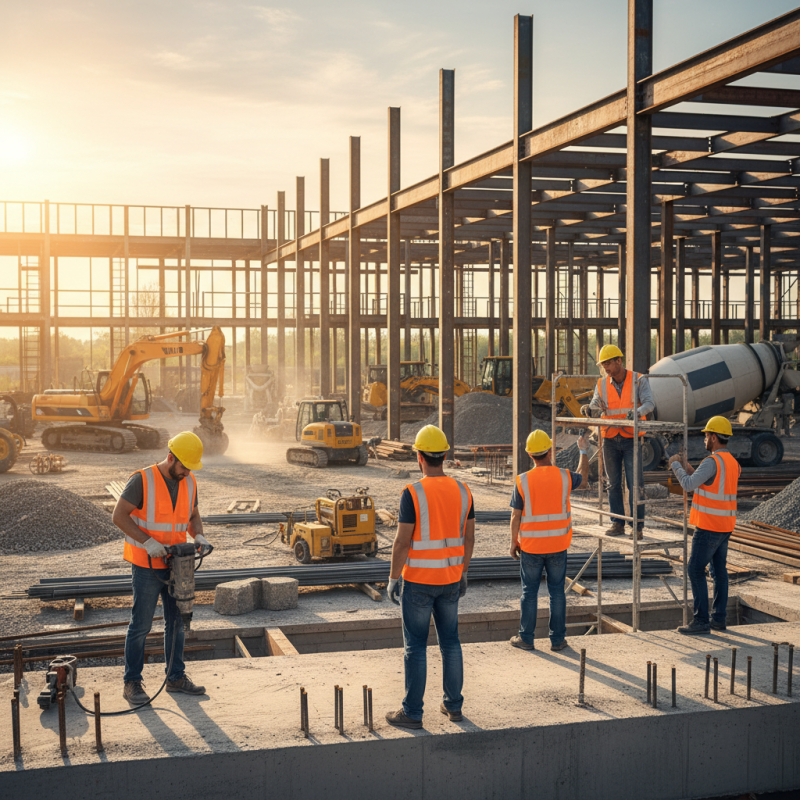
When choosing safety vests for construction sites, several key features are essential. High visibility is crucial. ANSI/ISEA 107 specifies that vests should have bright colors like fluorescent yellow or orange. These colors ensure workers are seen in various environments. Many workplace accidents occur due to visibility issues. According to the Bureau of Labor Statistics, about 20% of construction site accidents involve workers getting struck by vehicles. Proper visibility mitigates these risks.
Material is another vital aspect. Vests should be lightweight yet durable, ideally made of breathable fabrics. This helps keep workers comfortable, especially in hot weather. Some studies show that worker fatigue increases in uncomfortable gear. Wearers may become less vigilant as a result. Choosing vests with moisture-wicking technology can enhance comfort and safety on-site.
Storage options are important too. A vest should have pockets for tools and personal items. This reduces the need for workers to move away from their tasks frequently. However, too many pockets can lead to confusion or distraction. Balanced design is necessary for both utility and safety. Reflective strips are non-negotiable for night or low-light conditions. They improve visibility but can sometimes snag on equipment if not designed properly. Reflecting on the balance of features can lead to better safety choices for construction sites.
Types of Safety Vests Suitable for Construction Sites
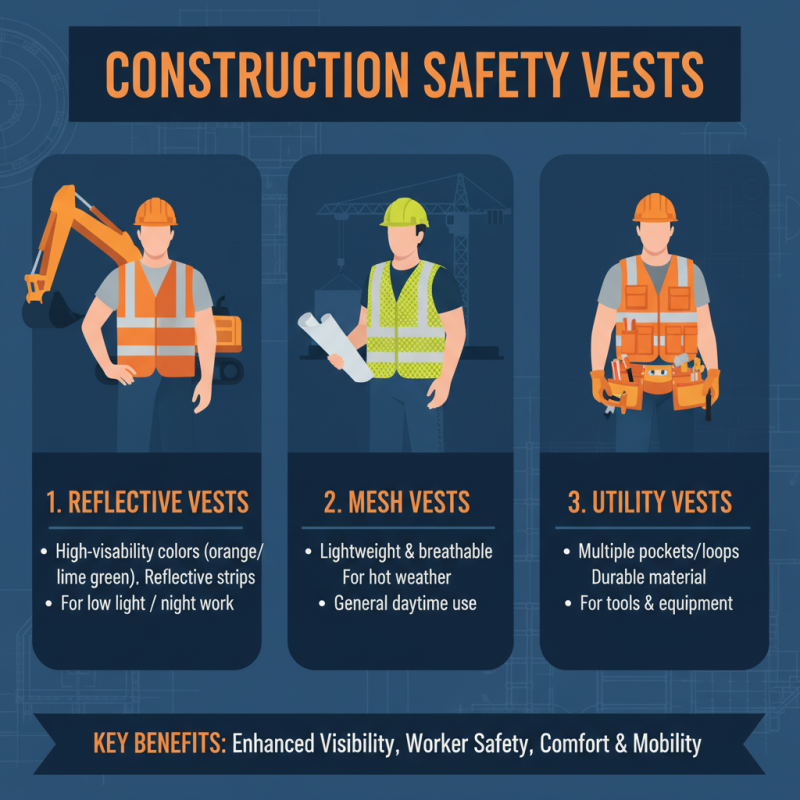
When it comes to construction sites, choosing the right safety vest is crucial. Different types of safety vests serve various purposes, ensuring worker safety amid heavy machinery and bustling activity. Reflective vests are particularly important. Their bright colors and reflective strips help enhance visibility in low light conditions, making them ideal for night work or inclement weather. These vests should fit comfortably, allowing workers to move freely without restriction.
Another type worth considering is the multi-pocket vest. These feature additional pockets that provide easy access to tools and materials. While practicality is essential, it’s also vital that these vests do not add unnecessary weight. Heavy vests can lead to fatigue, reducing efficiency. It's surprising how often workers overlook this aspect.
High-visibility vests are a must. They should meet the necessary safety standards. Many workers choose vests based solely on appearance, forgetting about safety certifications. This is a common oversight that can lead to serious consequences on the job. Opt for vests designed for specific tasks, ensuring that they not only look good but also provide adequate protection.
Top Brands for Construction Safety Vests Reviewed
When choosing safety vests for construction sites, it's essential to consider top brands known for their reliability and effectiveness. Studies indicate that wearing high-visibility vests can reduce accidents by up to 60%. This statistic highlights the critical role these vests play in workplace safety. ANSI (American National Standards Institute) standards categorize vests into classes, which reflect their visibility level. Class 2 and Class 3 vests are particularly recommended for construction workers exposed to vehicular traffic.
Several reputable brands offer vests that meet these standards. Their vests often come with features like reflective strips, which enhance visibility in low-light conditions. They also provide multiple pockets for tools and personal items, adding convenience without compromising safety. However, not all vests are ventilated for hot weather, which can lead to discomfort and reduced effectiveness in high-heat environments. This oversight can prompt workers to remove their vests, counteracting safety measures.
It's crucial to ensure the chosen vest fits well. A baggy vest can obstruct movement, while a tight vest might be uncomfortable. Workers should prioritize comfort alongside safety features. Training sessions have shown that workers are more likely to wear vests that fit properly and feel good. Remembering these details could lead to better adherence to safety protocols on construction sites.
Best Safety Vests for Construction Sites
This chart represents the ratings of key features for safety vests commonly used in construction sites. Each feature is scored out of 10, highlighting aspects like visibility, durability, comfort, breathability, and the presence of pockets, which are essential for ensuring safety and efficiency on site.
How to Properly Fit a Safety Vest for Maximum Protection
When choosing a safety vest for construction work, proper fit is key. A vest that is too loose can cause accidents. Workers might trip or get caught in machinery. Conversely, a vest that is too tight can restrict movement and cause discomfort. Ensure that the vest allows you to move freely while staying secure.
To find the right fit, measure your chest and waist. Safety vests come in various sizes. Look for adjustable options to refine the fit further. Pay attention to strap designs, which can enhance comfort. Try the vest on while wearing clothing typical for your job. This helps assess its practicality in real working conditions.
Reflecting on safety, many choose vests based on styles and colors, overlooking fit. A bright color is not a substitute for proper sizing. Even the most visible vest will fail if it doesn't fit correctly. Prioritize fit to ensure maximum protection on the site. Your safety gear is only as effective as its fit allows.
Best Safety Vests for Construction Sites You Should Buy
| Vest Type |
Material |
Visibility Level |
Size Range |
Features |
| Class 2 Safety Vest |
Polyester |
High Visibility |
S - 3XL |
Zippered front, reflective stripes |
| Class 3 Safety Vest |
Mesh Fabric |
Very High Visibility |
M - 5XL |
Cooling mesh, D-ring access |
| Economy Safety Vest |
Polyester |
Medium Visibility |
L - 2XL |
Lightweight, pocketed |
| Reflective Safety Vest |
Nylon Blend |
High Visibility |
S - XL |
Reflective tape, breathable |
| Cool Mesh Safety Vest |
Breathable mesh |
High Visibility |
M - 3XL |
Ventilated design, pockets |
Maintenance Tips for Extending the Life of Safety Vests
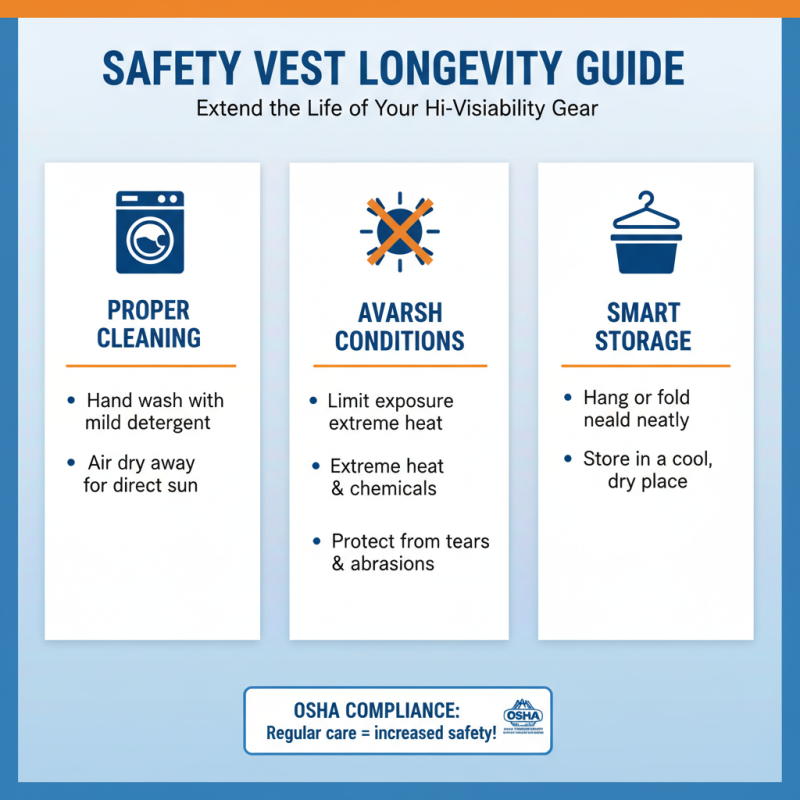
When working on construction sites, safety vests are essential. Their visibility can significantly reduce accident rates. However, maintaining these vests is equally important. According to the Occupational Safety and Health Administration (OSHA), improper care can lead to reduced effectiveness. Just like any safety gear, vests have a lifespan influenced by factors like material wear and exposure to harsh conditions.
Regular cleaning is crucial. Many vests can withstand machine washing, but it’s essential to refer to care labels. Over time, dirt and grime can degrade materials. Wearing a dirty vest also diminishes visibility. In a survey by the National Safety Council (NSC), 45% of workers reported wearing safety gear that did not meet visibility standards. This indicates how poor maintenance can impact safety.
Inspecting vests for tears and fraying is vital. Small damages can compromise functionality. Even small rips can allow hazardous situations to arise. Updating vests after extensive wear is recommended. Remember, visibility can be the difference between a near miss and an accident. Keeping safety vests in optimal condition not only extends their life, but also ensures worker safety on-site.