10 Best A Safety Vests for Maximum Protection in Any Job?
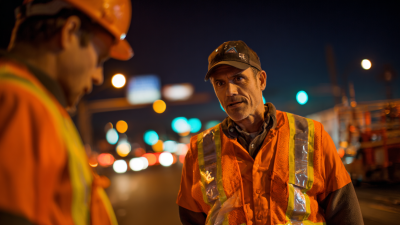
In high-risk work environments, the importance of A Safety Vest cannot be overstated. According to the Occupational Safety and Health Administration (OSHA), an estimated 4,674 workers were killed on the job in 2020. Many of these incidents could have been mitigated with proper safety gear. A reliable safety vest enhances visibility and sets the stage for accident prevention.
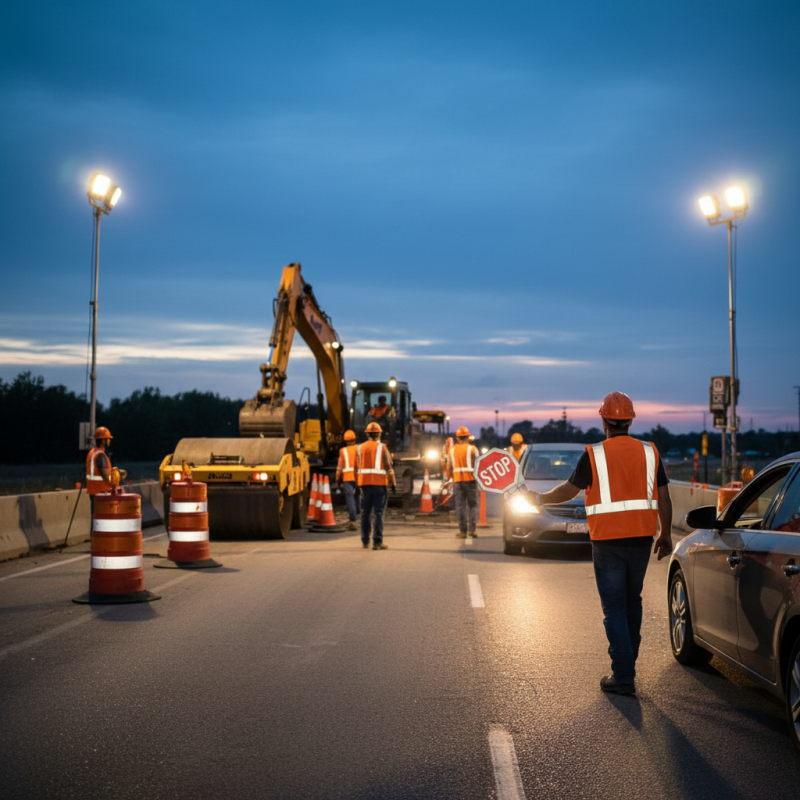
Research shows that bright colors and reflective materials dramatically decrease accident rates. Studies indicate that wearing A Safety Vest, particularly in construction and roadwork, reduces the likelihood of being struck by vehicles. Workers are often in dangerous positions. Visibility is crucial for their safety.
Despite the clear benefits, many workers neglect wearing these essential vests. Some may feel they hinder movement, while others simply forget. A Safety Vest should be a staple in every worker's gear. It serves a vital role in protecting lives. Identifying the best options for safety vests will save lives and improve workplace safety standards. Making the right choice can be life-altering.
Top Features to Look for in Safety Vests for Various Jobs
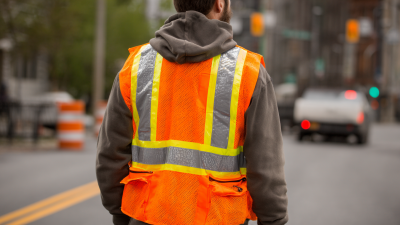
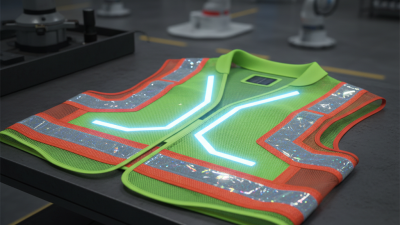
When selecting safety vests for various jobs, it is crucial to focus on key features that ensure maximum protection. High visibility is one of these essential traits. According to the Occupational Safety and Health Administration (OSHA), wearing high-visibility clothing can reduce the risk of accidents by approximately 30%. Vests should have bright colors like fluorescent yellow or orange, along with reflective strips to increase visibility in low-light conditions.
Breathability and comfort are also vital. Many workers spend long hours in their safety vests. A vest that is too heavy or not breathable can lead to fatigue. Reports indicate that up to 50% of workers cite discomfort as a reason for not wearing safety gear consistently. Look for materials that wick moisture and allow air circulation, enhancing worker compliance and safety.
Additionally, consider adjustable features. A vest that fits well is less likely to be a distraction. Poorly fitting vests may cause workers to adjust them frequently, which can lead to exposure to hazards. Studies show that ergonomic design can improve wear time by 25%. Ultimately, understanding these features can impact safety outcomes significantly in diverse job environments.
Types of Materials Used in High-Visibility Safety Vests
High-visibility safety vests are essential in various work environments. They enhance visibility and keep workers safe. The materials used in these vests play a crucial role in their effectiveness. Reflective strips, for instance, help in low-light conditions. The fabric itself can be made of polyester, cotton, or a blend. Each material has its own strengths.
Polyester is popular for its durability and resistance to fading. It withstands the rigors of outdoor work. Cotton, while comfortable, is not as resilient. It absorbs moisture easily and can become heavy when wet. Some vests use a mix of both materials. This combination can balance comfort and durability.
Neon colors are also a consideration. Bright yellows and oranges stand out, making workers more visible. However, not all high-visibility fabrics are created equal. Some may not hold up to wear and tear over time. It’s necessary to assess how often the vest will be used and in what conditions. Choosing the right material for the right job enhances protection significantly.
Comparative Review of the Best Safety Vests for Different Work Environments
In various work environments, safety vests play a crucial role. They offer visibility and protection. Construction sites, road work, and warehouses all have unique hazards. Choosing the right safety vest is essential. Comfort and fit matter. A vest that does not fit properly can become a distraction. This can lead to accidents. It's important to find one that meets specific needs.
The fabric used in safety vests varies widely. Some materials are breathable. Others are more durable. Knowing the environment helps in this choice. A vest worn in hot weather should allow airflow. Conversely, colder climates may require thicker materials. Reflective strips enhance visibility at night. However, they can become less effective with wear.
No vest will protect against all dangers. Awareness of surroundings is vital. Workers must remain vigilant. Regularly inspecting the vest for wear and tear is necessary. A small rip could lead to a big risk. Finding the right balance between comfort and protection can be challenging. Each job may require a different type, making thoughtful selection key.
10 Best Safety Vests for Maximum Protection in Any Job
| Safety Vest Model |
Material |
Visibility Class |
Pockets |
Ideal Use |
Price Range |
| High-Visibility Vest A |
Polyester |
Class 2 |
2 large front pockets |
Construction, Road Work |
$15 - $20 |
| Outdoor Safety Jacket B |
Nylon |
Class 3 |
3 front pockets |
Highway Work, Night Time |
$25 - $30 |
| Lightweight Reflective Vest C |
Mesh Fabric |
Class 1 |
No pockets |
Cycling, Jogging |
$10 - $15 |
| Industrial Safety Vest D |
Cotton Blend |
Class 2 |
2 front pockets, 1 back pocket |
Warehouse, Factory |
$20 - $25 |
| Waterproof Safety Vest E |
Polyurethane |
Class 3 |
2 side pockets |
Rainy Conditions, Outdoor Work |
$30 - $35 |
| Cooling Safety Vest F |
Breathable Fabric |
Class 2 |
2 chest pockets |
Outdoor, Hot Weather |
$25 - $30 |
| Reflective Zip Vest G |
Polyester |
Class 1 |
1 zippered pocket |
Parking Lots, Event Safety |
$15 - $20 |
| Classy Safety Vest H |
High-Density Fabric |
Class 3 |
Multiple pockets |
Event Security |
$35 - $40 |
| Fire-Resistant Vest I |
Nomex |
Class 2 |
2 front pockets |
Electrical Work, Fire Safety |
$40 - $50 |
| Multi-Use Safety Vest J |
Recycled Polyester |
Class 3 |
3 pockets |
Various Outdoor Jobs |
$20 - $25 |
How to Properly Fit and Wear a Safety Vest for Optimal Protection
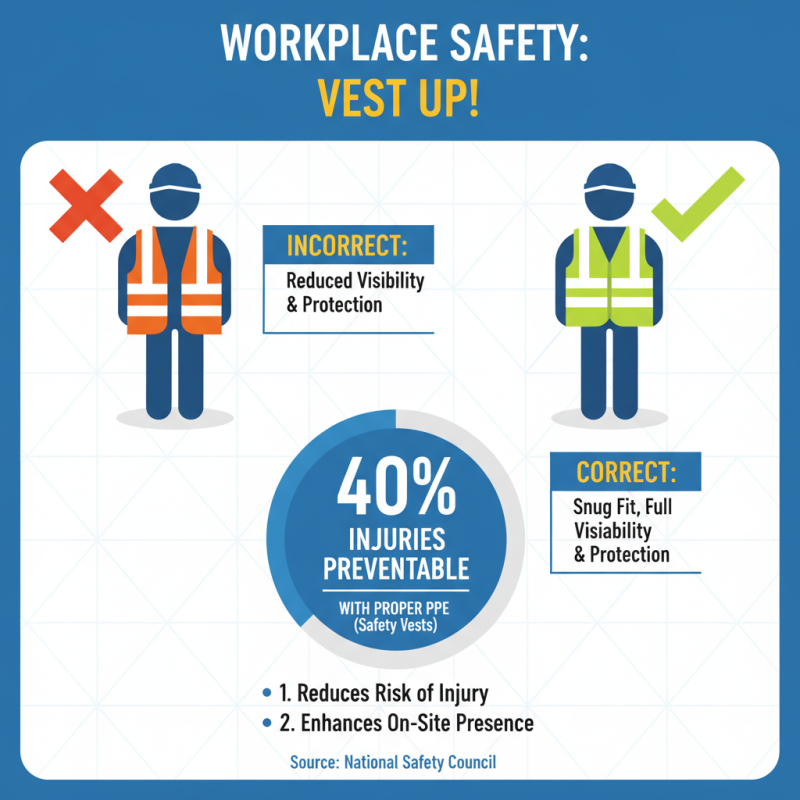
Wearing a safety vest correctly can significantly reduce the risk of injuries at work. A poorly fitted vest can compromise visibility and protection. According to the National Safety Council, approximately 40% of workplace injuries could be prevented with proper personal protective equipment, including safety vests.
To achieve optimal protection, ensure the vest fits snugly but allows free movement. Measure your chest and waist, and choose a size that provides comfort without being too loose. It’s crucial to check the length; the vest should cover your torso thoroughly. Many professionals underestimate how a loose vest can snag on equipment, creating hazards.
Visibility is key. According to the Bureau of Labor Statistics, high-visibility gear can decrease the likelihood of accidents by 50%. Look for vests with reflective strips. Choose bright colors that stand out against your work environment. Remember, while it may seem minor, the choice of a safety vest is critical. Neglecting these details can lead to unnecessary accidents. Safety is not just a guideline; it’s a responsibility.
Understanding Safety Standards and Certifications for Safety Vests
When it comes to safety vests, understanding safety standards and certifications is crucial. The American National Standards Institute (ANSI) provides guidelines for high-visibility apparel. ANSI/ISEA 107 is the primary standard for safety vests. It categorizes vests based on high-visibility colors and reflective materials. There are three classes of vests, each suited for different work environments. Class 1 is the lowest level, ideal for parking lots or low-traffic areas. Class 3 vests offer maximum visibility. They’re designed for workers in high-risk conditions.
A report from the Occupational Safety and Health Administration (OSHA) indicated that nearly 20% of workplace injuries are due to lack of proper visibility. In industries like construction and traffic control, wearing proper safety gear can significantly reduce accident risks. However, not all safety vests meet these critical standards. Some may look flashy but provide minimal visibility. This raises an essential point: not all vests are created equal, and merely wearing a bright vest isn’t enough. It’s important to check for certifications and ensure that the vest aligns with the job's specific demands.
Reflecting on this, many workers overlook the importance of compliance. They might choose style over safety. However, a vest lacking proper certification could lead to dire consequences. A safety vest should not just be a piece of clothing; it should be a reliable tool for protection. Always re-evaluate your choice of safety gear. Workers' lives depend on it.
10 Best Safety Vests for Maximum Protection in Any Job
This chart represents the evaluation criteria for safety vests based on five key metrics: Visibility, Durability, Comfort, Weight, and Compliance with safety standards. Each criterion has been rated on a scale of 1 to 10, showcasing the maximum protection performance in various job scenarios.