How to Choose the Best Hi Vis Jacket for Safety and Comfort
Choosing the right Hi Vis Jacket is crucial for ensuring safety and comfort in various working environments. High visibility jackets are designed to make the wearer stand out in low-light conditions, enhancing safety for those who work on construction sites, roadways, or in emergency services. However, not all Hi Vis Jackets are created equal, and selecting the best one involves considering various factors such as material, fit, and specific safety features.
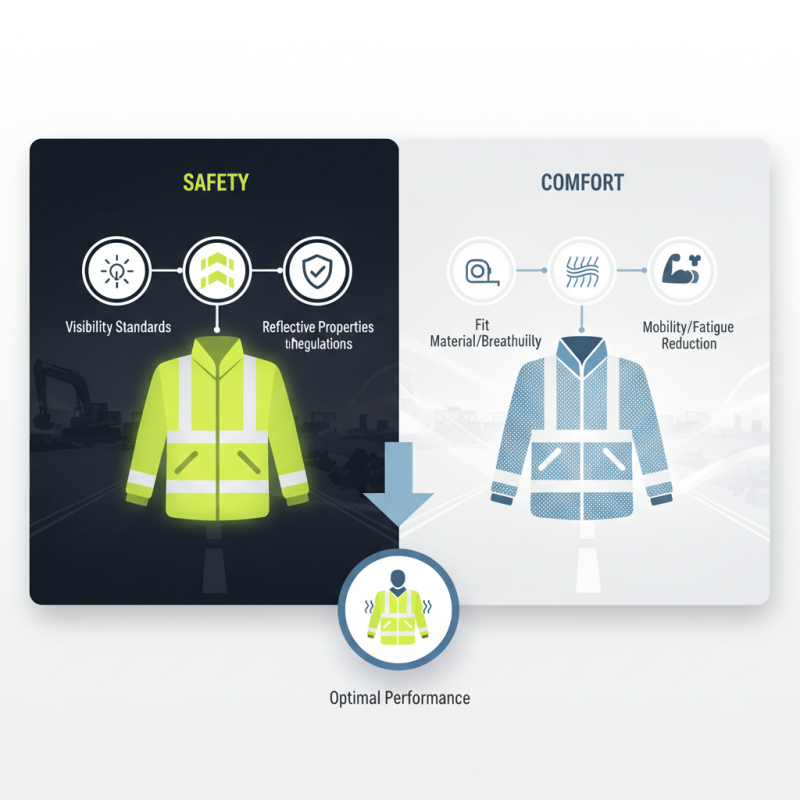
When searching for the ideal Hi Vis Jacket, it’s important to assess the jacket’s visibility standards and reflective properties, ensuring compliance with relevant safety regulations. Additionally, comfort plays a significant role in the overall effectiveness of a Hi Vis Jacket. A well-fitted jacket made from breathable materials can significantly improve mobility and reduce fatigue during long hours of wear. Ultimately, understanding how to evaluate these key aspects will help you choose a Hi Vis Jacket that not only meets safety requirements but also provides the comfort needed to perform at your best in any demanding environment.
Understanding Hi Vis Jackets: Importance in Safety and Visibility
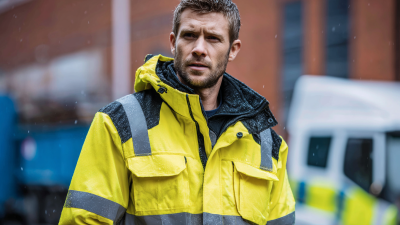
Hi Vis jackets play a crucial role in ensuring safety and visibility in various working environments, particularly for those involved in construction, roadwork, and emergency services. According to the Bureau of Labor Statistics, about 20% of workplace fatalities occur in high-risk industries where visibility is a significant factor. High Visibility clothing, such as Hi Vis jackets, is designed to make workers easily detectable, especially in low-light conditions or busy public areas. The fluorescent colors and reflective strips enhance visibility, which can reduce the likelihood of accidents and improve overall safety on the job site.
Furthermore, it is essential to understand the different levels of visibility offered by Hi Vis jackets. The American National Standards Institute (ANSI) outlines specific performance standards that garments must meet to be classified as high visibility. For instance, garments are categorized into classes based on the work environment and level of risk, with Class 1 providing the lowest visibility and Class 3 offering the highest. This classification ensures that workers choose jackets appropriate for their specific conditions, such as highway construction or rural settings where exposure to moving vehicles is prevalent. In fact, research indicates that the use of proper safety attire can increase visibility by up to 90%, significantly lowering the risk of accidents and injuries in the workplace.
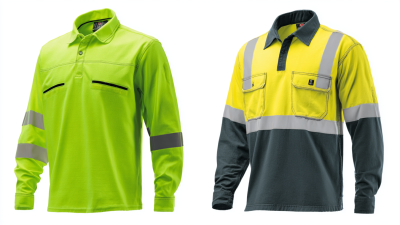
Comparison of Hi Vis Jacket Features for Safety and Comfort
Key Features to Look for in a Hi Vis Jacket for Maximum Comfort
When selecting a high visibility jacket, comfort must be a top priority, especially for those who spend long hours on the job. One of the key features to look for is the material composition. Opt for lightweight, breathable fabrics that allow for maximum airflow while still providing the necessary visibility. Additionally, jackets with moisture-wicking properties can help keep the wearer dry and comfortable in various weather conditions. Ensuring that the fabric is not only durable but also flexible can enhance mobility, making it easier to perform tasks without feeling restricted.
Another important factor to consider is the design and fit of the jacket. Look for options with adjustable features, such as elastic cuffs, drawstrings, or Velcro closures, which allow for a customized fit that accommodates layering if needed. Reflective strips should also be strategically placed for optimal visibility without compromising comfort. Furthermore, pockets can be a functional addition, allowing easy access to tools or personal items while keeping hands free. Ensuring that the jacket is tailored to your specific work environment will contribute to both safety and overall comfort throughout the day.
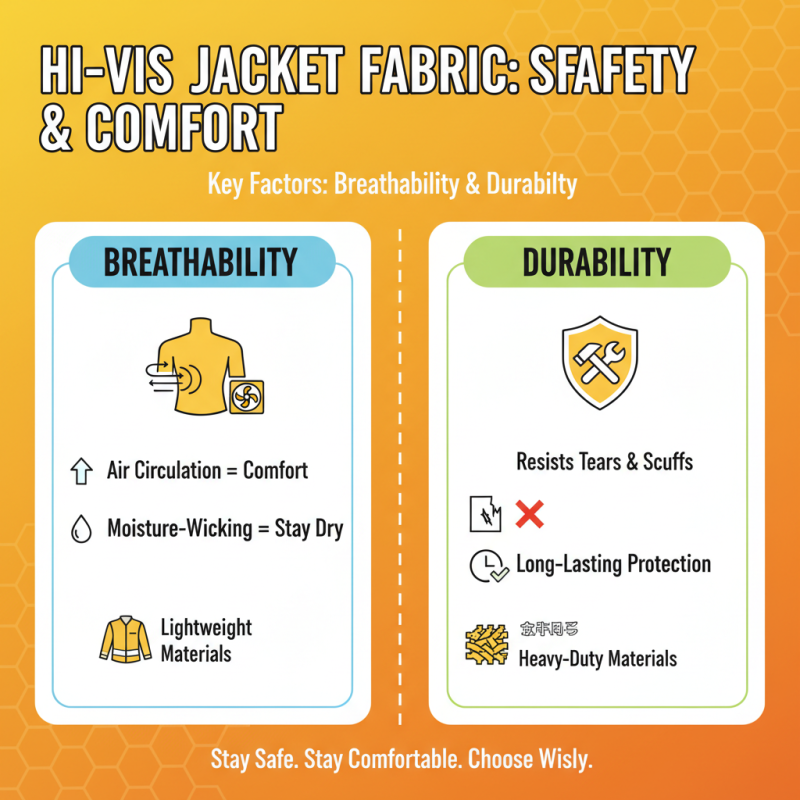
Selecting the Right Fabric for Your Hi Vis Jacket: Breathability and Durability
When selecting a hi vis jacket, the choice of fabric plays a crucial role in ensuring both safety and comfort. Two primary factors to consider are breathability and durability. Fabrics that offer good breathability allow for air circulation, which is essential for maintaining comfort during long hours of wear, especially in physically demanding environments. Lightweight materials designed with moisture-wicking properties can help keep the wearer dry, further enhancing comfort levels in varying weather conditions.
Durability is equally important, as a hi vis jacket must withstand the rigors of the workplace. Fabrics that are resistant to wear and tear, as well as those treatment methods that enhance water and stain resistance, will ensure the jacket remains visible and functional for extended periods. Additionally, the seams and stitching of the jacket should be robust, contributing to the overall longevity and safety of the garment. By focusing on a balance between breathability and durability, one can select a hi vis jacket that not only meets safety regulations but also provides comfort throughout the workday.
Sizing and Fit Considerations for Optimal Functionality in Hi Vis Jackets
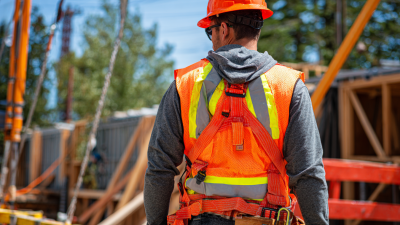
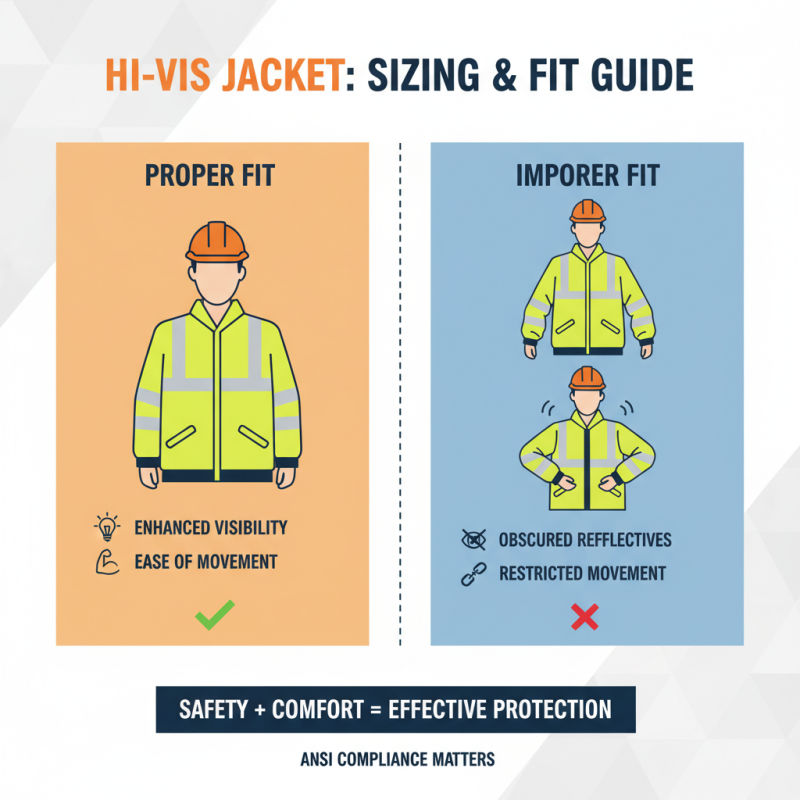
When selecting a high-visibility (Hi Vis) jacket, sizing and fit are paramount for ensuring both safety and comfort. The correct fit not only enhances the jacket’s visibility in various conditions but also allows for ease of movement, which is essential for workers who must perform physical tasks while wearing protective clothing. According to the American National Standards Institute (ANSI), proper sizing can significantly impact the effectiveness of visibility gear; a jacket that is too loose can obscure reflective materials, while one that is too tight may restrict movement, increasing the risk of accidents.
In addition to size, the jacket's design should accommodate layering as temperature and work conditions vary. A report from the Occupational Safety and Health Administration (OSHA) highlights that workers often choose to forego wearing safety gear due to discomfort or poor fit, which defeats the purpose of protective clothing. Therefore, it’s important to consider the use of adjustable features such as cuffs, hems, and collars. These adaptations can improve fit and comfort, allowing users to maintain a full range of motion. Ergonomically designed jackets that accommodate these adjustments are not just recommended but are becoming a standard in the industry to enhance worker safety and comfort on the job.
Care and Maintenance Tips to Extend the Life of Hi Vis Jackets
Hi Vis jackets are essential for ensuring safety in various work environments, but proper care and maintenance are crucial for extending their lifespan. According to the Occupational Safety and Health Administration (OSHA), visibility is directly linked to worker safety, with high-visibility clothing reducing the risk of accidents by approximately 50%. To maintain the effectiveness of these jackets, it's important to follow specific care guidelines. Regularly washing the jackets using mild, non-abrasive detergents and avoiding bleach can help preserve the fluorescent colors and retroreflective materials that enhance visibility. Research from the American National Standards Institute (ANSI) emphasizes that dirty or worn-out jackets significantly compromise visibility levels.
Additionally, proper storage plays a vital role in maintaining the integrity of Hi Vis jackets. Hanging them in a cool, dry place away from direct sunlight can prevent fabric degradation. Inspections for signs of wear and damage should be conducted regularly, as the ANSI standards recommend replacing jackets that show signs of excessive fading or tearing. A report by the International Safety Equipment Association (ISEA) highlights that regularly maintained Hi Vis apparel can last up to three years longer than poorly cared-for items. By incorporating these care and maintenance tips, not only can the safety and comfort of workers be ensured, but the overall longevity of Hi Vis jackets can be significantly improved.
How to Choose the Best Hi Vis Jacket for Safety and Comfort - Care and Maintenance Tips to Extend the Life of Hi Vis Jackets
| Feature |
Importance |
Care Tips |
Lifespan |
| Material Quality |
High - Affects durability and comfort |
Machine wash in cold water |
2-5 years |
| Visibility Level |
Critical - Ensures safety |
Avoid fabric softeners |
1-3 years |
| Fit |
High - Affects mobility |
Regularly check for loose threads |
3-5 years |
| Weather Resistance |
High - Essential for outdoor work |
Store in a cool, dry place |
3-6 years |
| Breathability |
Moderate - Prevents overheating |
Use mild detergents |
2-4 years |