How to Choose the Best Hi Vis Jacket for Safety at Work?
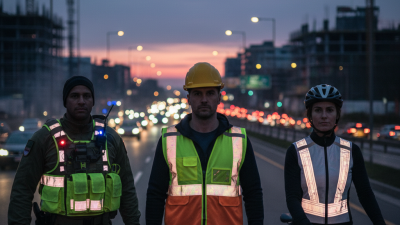
In high-risk work environments, the right Hi Vis Jacket is crucial for safety. According to the Bureau of Labor Statistics, 27% of workplace injuries occur due to inadequate visibility. This statistic emphasizes the need for proper high-visibility gear. A well-chosen Hi Vis Jacket ensures that workers are seen, promoting a safer work atmosphere.
Visibility can vary by color and reflective material. A fluorescent yellow or orange jacket offers better visibility in different lighting conditions. It's vital to select jackets that meet ANSI/ISEA 107 standards. This ensures compliance with safety regulations and provides maximum visibility. Yet, not all workers understand these standards, leading to poor choices.
Comfort is another overlooked factor. A Hi Vis Jacket that is too tight or too loose may distract or hinder movement. Ultimately, the perfect fit and style enhance safety while keeping workers comfortable. Reflecting on past choices can help identify what features are essential for individual needs. Making informed decisions about Hi Vis Jackets is essential for worker safety.
Understanding the Importance of Hi Vis Jackets in Workplace Safety
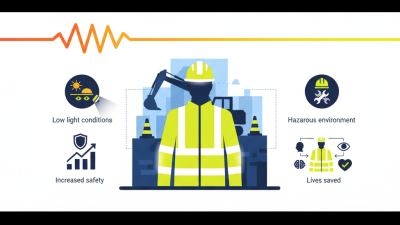
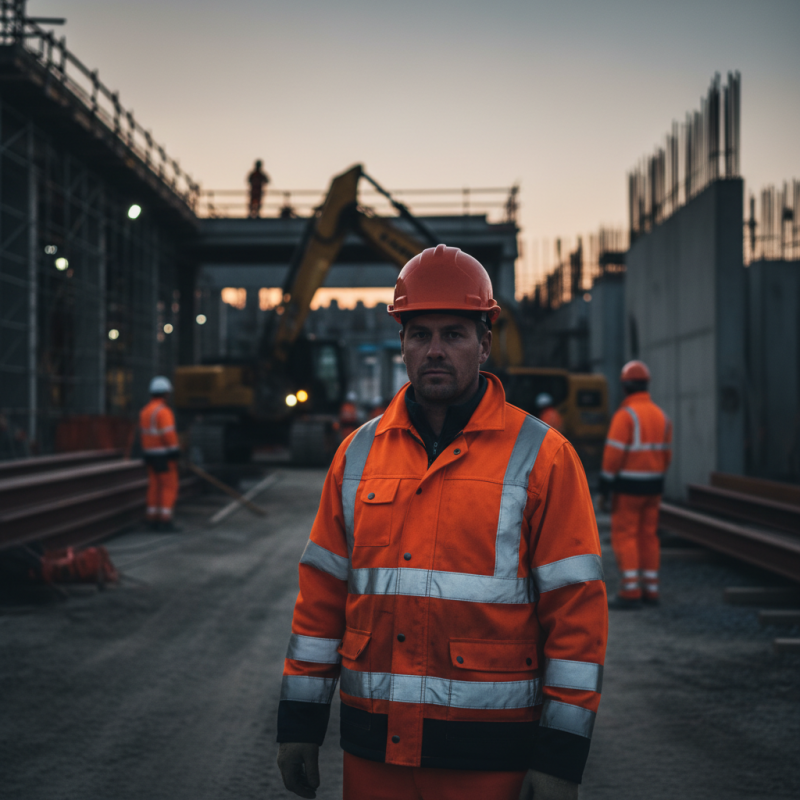
High visibility (Hi Vis) jackets play a crucial role in workplace safety. They increase visibility for workers, especially in low-light conditions. According to the Bureau of Labor Statistics, in 2020, nearly 3,000 workers were struck by vehicles while working. This highlights the need for better visibility.
In many industries, reflective materials on jackets make a significant difference. Research indicates that reflective gear can reduce accidents by up to 50%. It's vital not just to wear any jacket, but to choose one that meets safety standards. Workers must consider fabric quality, fit, and visibility levels.
Ignoring these factors can lead to serious consequences. A poorly fitting jacket may limit movement, reducing efficiency. Additionally, jackets that lack proper reflectivity can contribute to accidents. Workers must balance comfort with safety. This decision impacts not just their well-being but also the overall safety culture in the workplace.
Hi Vis Jacket Usage Statistics by Industry
Key Features to Look for in a Hi Vis Jacket
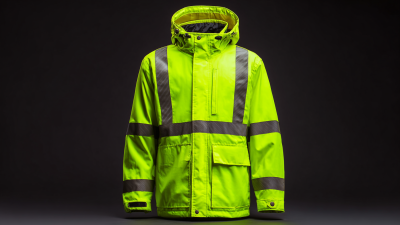
When choosing the best hi-vis jacket for workplace safety, it's essential to focus on key features. Visibility is paramount. Look for jackets with bright colors like fluorescent yellow or orange. According to studies, wearing such colors can increase visibility by up to 300% in low-light conditions.
Material is another critical aspect. The fabric should be durable yet lightweight. Breathable materials can enhance comfort, especially during hot weather. Consider jackets with moisture-wicking properties. Some reports indicate that up to 80% of workers find comfort vital for productivity.
TIP: Always opt for jackets with reflective strips. These enhance visibility at night or in poor weather. A jacket with a 360-degree visibility feature can significantly improve safety.
Fit is also crucial. A loose jacket may snag on equipment, while a tight one restricts movement. Finding the right balance is essential. Additionally, check for pockets and zippers. These add functionality but can also impact safety.
TIP: Test the jacket’s movement. Raise your arms and bend to ensure comfort. This small step can prevent future risks while on the job.
Types of Hi Vis Materials and Their Visibility Levels
When selecting a hi vis jacket, understanding materials is crucial. There are three main types of hi vis materials:
fluorescent, retroreflective, and a combination of both.
Fluorescent materials absorb UV light and emit visible light. This makes them highly visible in daylight.
Retroreflective materials bounce light back to the source, enhancing visibility in low-light conditions.
According to the American National Standards Institute, hi vis materials must meet specific standards.
Class 2 garments have higher visibility than Class 1.
Class 3 provides the highest visibility, essential for highway workers and emergency personnel.
The color of the material also matters. Bright yellow and orange are the most effective colors for visibility.
Tips: Always check compliance with safety standards. Look for the label before making a purchase.
Test the jacket's fit and comfort; a poorly fitting jacket can reduce effectiveness.
Also, consider weather conditions. Choose waterproof or breathable materials based on your work environment.
Remember, the right jacket can save lives.
Fit and Comfort: How They Impact Safety and Performance
Fit and comfort are crucial factors when selecting a hi-vis jacket. Poor-fitting jackets can hinder movement. This affects a worker's ability to perform tasks safely. According to the National Safety Council, about 20% of workplace injuries are related to improper gear. A jacket that is too tight or too loose can restrict motion and pose risks.
It’s essential to consider how the jacket accommodates layers. In cold weather, workers often dress in layers. A jacket that is too snug over layers can lead to discomfort. This discomfort may distract workers, impacting overall performance. Research indicates that comfortable clothing can improve focus by up to 30%, subsequently decreasing the likelihood of accidents in hazardous environments.
Adjustable features play a significant role in fit. Cuffs, hems, and collars should be easily adjustable. This customization helps ensure the jacket stays in place during work. Visibility is paramount, but it should not come at the cost of comfort. When workers don't feel comfortable, their attention wanes. Statistics show that 70% of workers reported that uncomfortable PPE leads to reduced efficiency and increased error rates. Prioritizing fit and comfort is indeed vital for safety at work.
How to Choose the Best Hi Vis Jacket for Safety at Work? - Fit and Comfort: How They Impact Safety and Performance
| Feature |
Importance for Safety |
Impact on Performance |
Recommendation |
| Visibility |
High visibility reduces accidents and enhances safety in low-light conditions. |
Improves focus and awareness of surroundings. |
Choose jackets with bright colors and reflective strips. |
| Fit |
Proper fit ensures ease of movement and less risk of accidents. |
Comfortable fit allows for longer wear without fatigue. |
Opt for jackets that offer adjustable features to customize fit. |
| Material |
Durable materials enhance safety by withstanding harsh conditions. |
Breathable fabrics promote comfort during physical activity. |
Select moisture-wicking and weather-resistant materials. |
| Layering capability |
Ability to layer increases versatility in different weather conditions. |
Allows for better temperature regulation during work. |
Look for designs that allow easy layering without compromising visibility. |
| Pockets and Storage |
Convenient storage reduces the need for carrying additional items. |
Easily accessible tools and equipment can enhance efficiency. |
Choose jackets with secure, practical pocket designs. |
Regulatory Standards for Hi Vis Jackets and Compliance Considerations
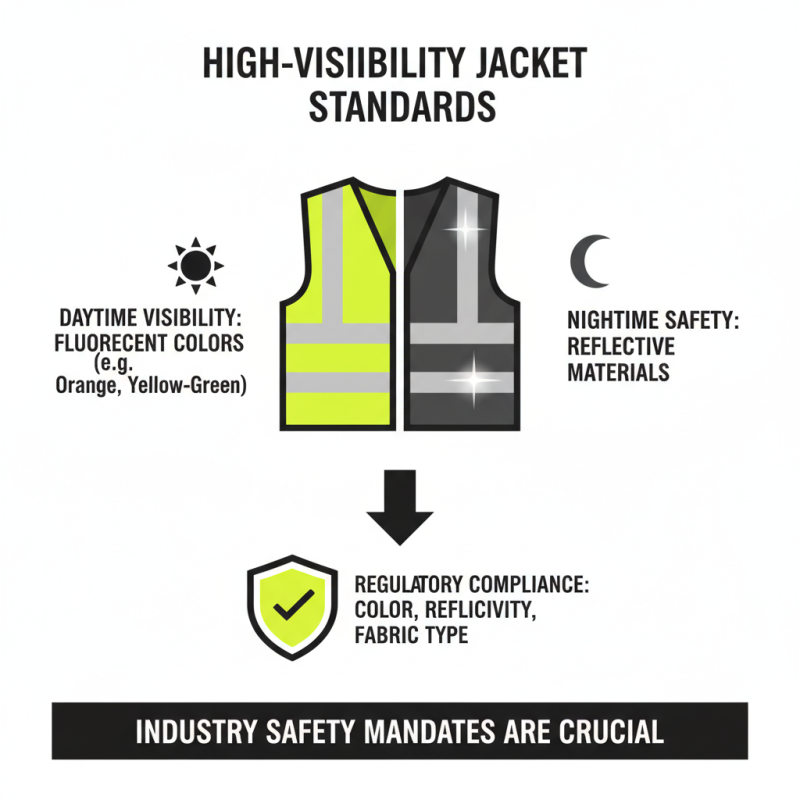
When selecting a high-visibility jacket, regulatory standards are crucial. Many industries require compliance with specific safety regulations. These standards clarify the color, reflectivity, and fabric types for effective visibility. For example, fluorescent colors are often mandated for daytime visibility, while reflective materials are vital for night-time safety.
Workers should know the regulations relevant to their environment. A construction site may have different requirements than a roadwork zone. Understanding these nuances helps ensure that the chosen jacket meets legal requirements. Failure to comply can lead to fines or, worse, accidents.
It’s important to balance compliance with personal comfort and functionality. A jacket that meets standards may still lack proper fit or ventilation. This creates issues in hot or strenuous conditions. Workers should try on jackets before purchase. Finding the right balance can be challenging but is essential for both safety and comfort.