How to Choose the Right Hi Vis Vest for Your Needs?
Choosing the right Hi Vis Vest can be challenging. With various options available, understanding your needs is crucial. John Smith, a safety equipment expert, once said, "The right visibility gear can save lives." As workers navigate low visibility conditions, a Hi Vis Vest becomes essential.
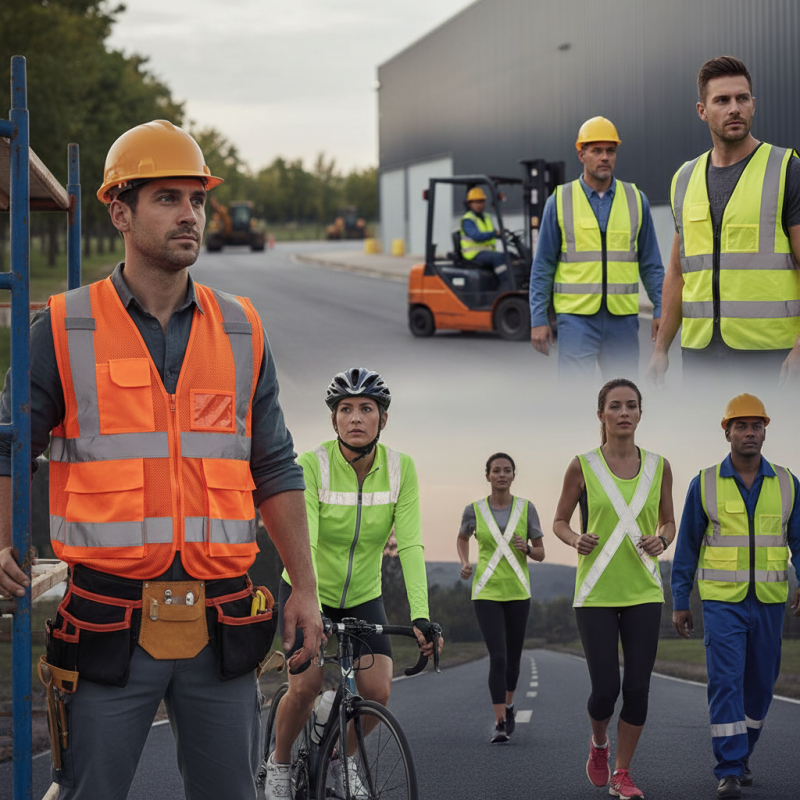
Different industries have unique requirements. A construction worker might need a vest with extra pockets, while a cyclist may prioritize lightweight materials. Additionally, the color and reflectivity of the vest matter significantly. Not all vests offer the same level of visibility. Some may look bright but lack proper reflective strips.
Finally, consider comfort and fit. An uncomfortable vest may be neglected, leading to safety risks. Remember that a poorly chosen Hi Vis Vest can be more of a hindrance than a help. Choosing wisely ensures protection and enhances visibility, which is vital for safety in hazardous environments.
Understanding Hi Vis Vests and Their Importance in Safety
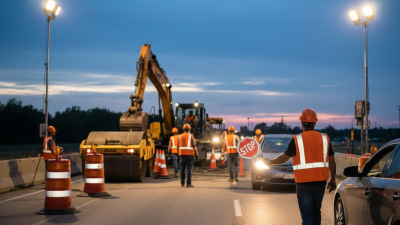
Hi-visibility (hi vis) vests are crucial in various industries, especially construction and transportation. They enhance the wearer's visibility, reducing the risk of accidents. According to the U.S. Bureau of Labor Statistics, around 20% of workplace fatalities occur due to transportation incidents. Wearing hi vis apparel can significantly lower these risks.
A study by the National Institute for Occupational Safety and Health (NIOSH) indicated that proper use of high-visibility clothing improves detection by drivers. In low-light conditions, orange and yellow colors stand out. Reflective strips further enhance visibility. It's alarming that about 700 workers are struck by vehicles on work sites each year. Using hi vis vests is a simple yet effective way to protect workers.
However, not all hi vis vests are created equal. Many opt for cheaper options that may lack necessary certification. This raises a significant concern about safety standards. Choosing a vest that meets ANSI/ISEA standards is essential for ensuring worker safety. Without proper gear, the risks increase. It's vital to prioritize safety over cost in such scenarios.
Visibility Levels in Hi Vis Vests
This bar chart represents the distribution of users across different classes of hi vis vests. Each class corresponds to varying levels of visibility, which can impact safety in different environments. Class 3 vests offer the highest visibility, while Class 1 vests provide the least. Understanding these levels can aid in selecting the right vest for your specific needs.
Key Features to Consider When Selecting a Hi Vis Vest
When selecting a hi vis vest, visibility is crucial. The color and reflective properties are key features to assess. According to safety standards, vests should have at least 300 square inches of fluorescent material. This ensures high visibility during the day. Equally important are the reflective strips. These strips need to cover at least 2 inches in width, ideally both horizontally and vertically.
Comfort is another factor that often goes overlooked. A poorly fitting vest can hinder movement. Reports indicate that about 30% of workers find their gear uncomfortable. Look for vests made from breathable materials. This will help with sweat management, especially in hot conditions. Mesh vests are popular for their lightweight and ventilated design.
Inspection of pockets is also essential. Many vests come with limited pocket options. This can be a drawback for those who need to carry small tools or personal items. A well-placed, secure pocket can make a difference. Lastly, consider the vest's durability. Materials should endure tough environments. Industry data suggests that durable vests can last twice as long as cheaper alternatives.
How to Choose the Right Hi Vis Vest for Your Needs? - Key Features to Consider When Selecting a Hi Vis Vest
| Feature |
Description |
Importance Level |
| Material |
Durable and breathable fabric for comfort. |
High |
| Visibility Level |
Reflective strips and bright colors for high visibility. |
Critical |
| Size and Fit |
Available in various sizes for the right fit. |
High |
| Pockets |
Convenient storage for tools and personal items. |
Medium |
| Closure Type |
Velcro or zipper options for secure wear. |
Medium |
| Compliance Standards |
Meets safety regulations and industry standards. |
Critical |
| Weight |
Lightweight for ease of movement. |
Low |
Different Types of Hi Vis Vests for Various Work Environments
Choosing the right hi vis vest is crucial for safety in various work environments. Different tasks require specific features. For example, construction work often demands vests with reflective strips. These help workers stand out in busy areas. On the other hand, road maintenance may require vests with more pockets for tools and gear.
When selecting a vest, consider weather conditions. Some vests are lightweight for hot climates, while others provide insulation against the cold. Visibility is key, but comfort matters too. A jacket-like vest might hinder movement if it’s too bulky.
**Tip:** Always try on the vest. Make sure it fits properly without being restrictive. Check how it feels when you move.
In environments like warehouses, durability is essential. Look for materials that resist wear and tear. Evaluate the stitching and seams. Sometimes, saving on price can mean sacrificing quality.
**Tip:** Don’t rush the decision. Invest time to find the right materials and features for your needs. You may regret a hasty choice later.
Choosing the Right Size and Fit for Comfort and Functionality
Choosing the right size and fit for a hi vis vest is crucial. A vest that is too tight can restrict movement. Conversely, a loose vest might get caught on equipment. Measure your chest and waist carefully. Use these measurements to determine the size that fits best.
Tips: Always try on vests before purchasing. Pay attention to how it feels during movement. If it feels uncomfortable, choose a different size.
Consider the length of the vest. A longer vest may provide more coverage, but it can also hinder flexibility. Look for adjustable options. Straps or drawstrings can help secure a perfect fit.
Tips: Check if the vest has a breathable fabric. This will enhance comfort, especially during warm weather. Remember, comfort is essential for functionality, particularly on the job.
Finding the right fit can be a trial-and-error process. It may require adjusting your preferences over time. Don't hesitate to switch sizes until you find what feels right for you.
Maintenance and Care Tips for Extending the Life of Hi Vis Vests
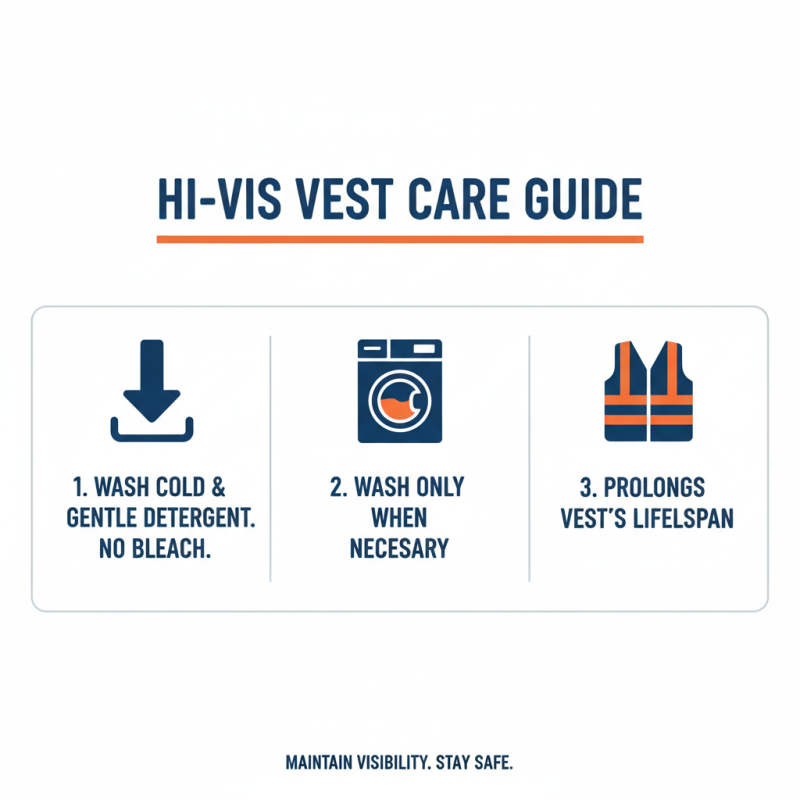
When it comes to maintaining hi vis vests, regular care is essential. Washing them properly can greatly influence their lifespan. Use cold water and a gentle detergent. Avoid bleach, which can damage the reflective materials. Frequent washing may seem appropriate, but it can wear out the brightness over time. Consider washing only when necessary to keep the vest in good shape.
Storage is equally important. Store hi vis vests in a cool, dry place, away from direct sunlight. Prolonged exposure can fade colors and weaken materials. Hang them up rather than folding. Folding can lead to creases that affect visibility. Check for signs of wear regularly. Look for frayed edges or missing reflective strips. Addressing these issues early can save you money.
Remember to follow manufacturer guidelines when caring for your vest. Each vest can differ in material and washing instructions. Experimenting with different methods may lead to unwanted results. Observing how your vest reacts to care routines can help you find the best practices. Being attentive to your vest’s condition ensures it remains effective, enhancing your safety on the job.