How to Choose the Best Safety Vest for Your Needs?
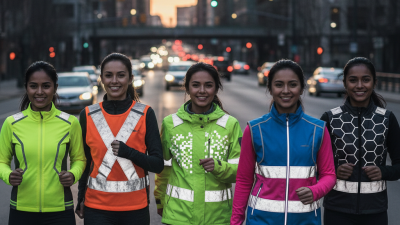
Choosing the right Safety Vest can be a daunting task. With many options available, it’s essential to understand your specific needs. Safety Vests come in various styles, colors, and materials, each designed for different environments and purposes.
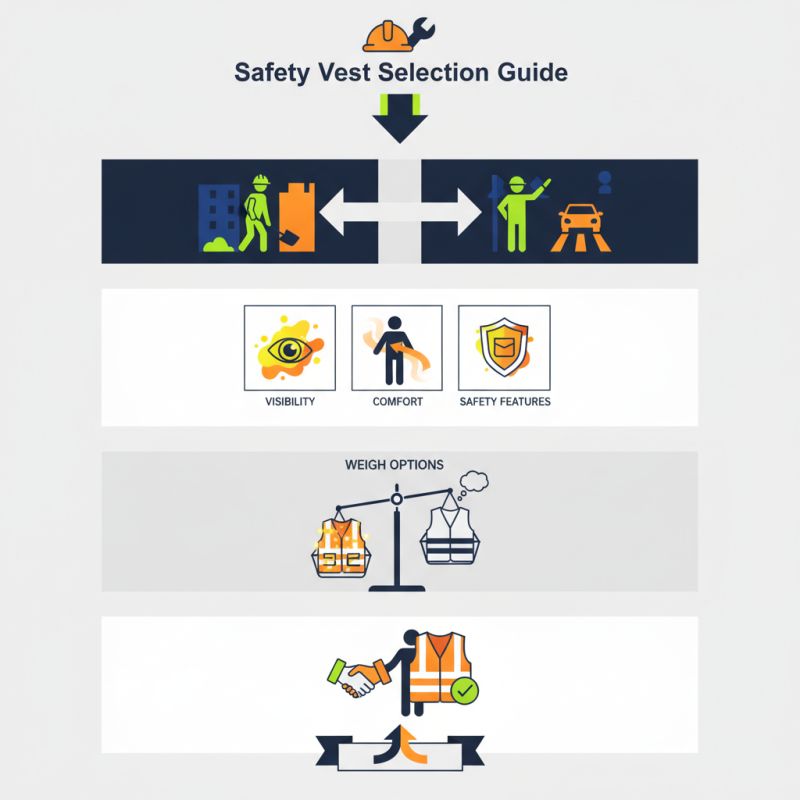
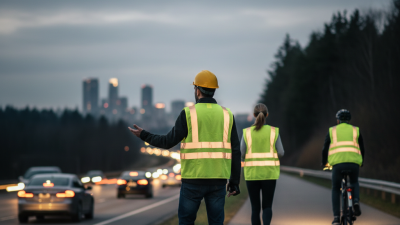
Consider the context where you will wear your Safety Vest. Will it be on a busy construction site or at night while directing traffic? Reflecting on your surroundings can guide you in selecting the best vest. Pay attention to visibility and comfort. A vest can be bright but uncomfortable, leading to distractions.
Don't overlook safety features. Quality vests have pockets for tools and added reflectors for increased visibility. However, it’s easy to get overwhelmed by the choices. Take time to weigh your options. Sometimes, opting for a basic vest can be just as effective. Your Safety Vest should feel like a reliable partner in your daily tasks.
Understanding the Importance of Safety Vests in Hazardous Environments
In hazardous environments, safety vests play a crucial role. According to the National Institute for Occupational Safety and Health (NIOSH), around 4,400 workers die each year in construction-related incidents. Many of these accidents occur due to poor visibility. Safety vests help mitigate these risks by making workers visible in various conditions.
Choosing the right safety vest requires understanding your environment. There are different types, including reflective vests and high-visibility colors. The American National Standards Institute (ANSI) provides guidelines that classify these vests by visibility levels. Class 2 vests are suitable for workers near moving vehicles. Yet, some workers still choose the wrong type. This oversight can lead to serious injuries.
It's not just about visibility; the fabric and fit matter too. A well-fitted vest enhances comfort and mobility, which are essential in demanding jobs. Poorly designed vests can hinder movement. Workers may even remove them, defeating their purpose. Each industry has unique needs. Balancing comfort, visibility, and safety is an ongoing challenge that requires careful consideration.
Types of Safety Vests: Classifications and Their Appropriate Uses
When choosing a safety vest, understanding the types and classifications is crucial. Safety vests vary in terms of visibility and protection. There are primarily three classes: Class 1, Class 2, and Class 3. Each class is designed for different environments and levels of risk.
Class 1 vests are for low-risk areas, such as parking lots. They offer minimal visibility with less reflective material. Class 2 vests provide increased visibility for workers in moderate-risk areas, like construction zones. They feature more reflective strips and a bright color scheme. Class 3 vests provide the highest level of visibility. They are ideal for high-risk environments, such as highways and night work.
Choosing the right vest isn't always straightforward. Some might prioritize comfort over visibility, which can be a mistake. Others may overlook the importance of weather resistance. A vest that's not suitable for the conditions can lead to safety hazards. It’s beneficial to reflect on your specific needs. Understanding the environment and risk level is key to making the right choice.
Key Features to Consider When Selecting a Safety Vest
When selecting the best safety vest, several key features should be your guiding principles. First, visibility is crucial. Look for vests that meet recognized ANSI standards for high visibility. According to the Occupational Safety and Health Administration (OSHA), these vests must be in bright colors, such as fluorescent yellow or orange, especially in low-light conditions. This ensures maximum visibility on the job.
Next, consider the fabric and comfort. The vest should be made of breathable material for hot weather. Insulation might be necessary for colder environments. A study by the American Society of Safety Professionals reveals that workers are more likely to wear safety gear if it feels comfortable. Remember, a vest that restricts movement can lead to non-compliance and increased risk of accidents.
Tips: Always pay attention to the fit. An oversized vest can get caught in machinery. Conversely, a too-tight vest can limit mobility. Also, think about pockets. Multi-functional vests can hold tools or first-aid supplies, enhancing both safety and convenience.
Another point to reflect on is the vest’s resistance to wear and tear. If you work in tough conditions, choose a durable vest. Look for reinforced seams and materials that resist tearing. A cheaper vest may save money initially, but higher quality often means better longevity and safety in the long run.
Safety Vest Features Comparison
The chart above illustrates the importance level of key features when selecting a safety vest. Visibility and material quality are rated the highest, emphasizing their critical roles in safety gear selection.
Regulatory Standards: ANSI/ISEA Guidelines for High-Visibility Apparel
When selecting a safety vest, regulatory standards are crucial. The ANSI/ISEA guidelines set clear requirements for high-visibility apparel. These standards categorize vests into different classes based on visibility needs. Class 1 is the lowest, suited for areas with minimal traffic. Class 3 is the highest, meant for high-traffic environments. Understanding these classes helps in making informed choices.
Reflecting on your specific work conditions is important. If you are often around heavy machinery, a Class 3 vest is necessary. The color and reflective materials play a significant role, too. Bright colors like orange or lime help in visibility. However, some might overlook the quality of the reflective strips. They should withstand harsh weather and repeated washings.
It's easy to get distracted by features like pockets and styles, but functionality is key. A vest might look good but may not meet safety standards. Consider how often you work in low-light situations. Some vests may not offer adequate protection in those cases. So, reflect on what you truly need to stay safe while working.
How to Choose the Best Safety Vest for Your Needs?
| Feature |
Description |
ANSI/ISEA Classification |
| Material |
Typically made from lightweight, breathable materials for comfort and durability. |
Class 1, 2, or 3 based on visibility needed. |
| Visibility |
Bright colors and reflective strips enhance visibility day and night. |
High-Visibility (HV) Marking Standards. |
| Size Options |
Available in various sizes to fit all body types. |
Universal fit for compliance. |
| Pockets |
Some vests feature pockets for easy access to tools and equipment. |
Varied based on user needs. |
| Closure Type |
Common closures include zippers, Velcro, or buttons. |
Depends on design preference. |