How to Choose the Right Hi Vis Vest for Maximum Safety and Visibility?
Choosing the right Hi Vis Vest is crucial for those working in hazardous environments. According to safety expert John Smith, “A Hi Vis Vest can make the difference between being seen and being overlooked.” This statement highlights the vest's importance in enhancing visibility.
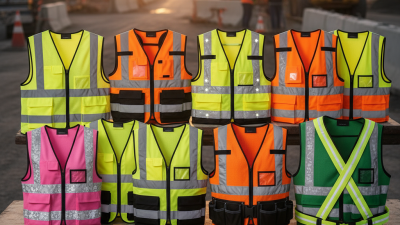
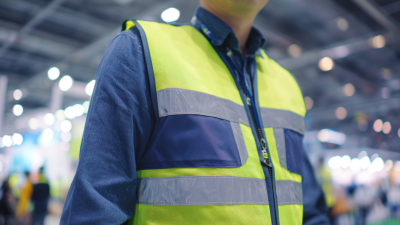
When selecting a Hi Vis Vest, consider factors such as color, material, and reflective features. Bright colors like fluorescent yellow or orange are highly effective. They capture attention in both daylight and low-light conditions. Additionally, vests with reflective strips maximize visibility, ensuring safety in darker settings.
It's also important to address personal comfort and fit. A vest that is too loose or tight can hinder movement. Users should reflect on their own needs. Sometimes, allowing style to dominate can compromise safety. Remember, a Hi Vis Vest isn't just a piece of clothing; it’s a vital safety tool. Choosing wisely can prevent accidents.
Understanding the Importance of Hi Vis Vests in Safety Protocols
Hi Vis vests are essential in many work environments. Their bright colors and reflective strips provide visibility. This visibility plays a crucial role in keeping workers safe. In busy settings, workers can be easily overlooked. A Hi Vis vest helps prevent accidents. In construction zones, roads, or warehouses, every detail counts.
Not all Hi Vis vests are created equal. Some may not offer adequate reflectivity. A poorly designed vest can compromise safety. Workers must evaluate the design and materials. Functions matter too. For instance, vests with pockets enhance utility. However, the right fit is vital. An ill-fitting vest can be uncomfortable and distracting.
Awareness of surroundings is also important. A vest alone does not ensure safety. Workers must remain vigilant. Training on safety best practices should accompany the use of Hi Vis vests. Safety protocols should reflect real-world scenarios. It’s not just about wearing bright colors; it’s about a culture of safety. Make choices that truly enhance your safety.
How to Choose the Right Hi Vis Vest for Maximum Safety and Visibility?
| Feature |
Importance |
Recommendations |
| Color |
High visibility colors like fluorescent yellow or orange are crucial for day and night visibility. |
Choose a vest with a bright color that stands out against the environment. |
| Reflective Strips |
Reflective materials enhance visibility in low-light conditions and at night. |
Look for vests featuring large reflective strips that cover multiple areas. |
| Size and Fit |
A proper fit ensures comfort and safety, allowing for ease of movement. |
Choose adjustable vests or refer to size charts for the right fit. |
| Material |
Durable, lightweight materials provide comfort and longevity in various conditions. |
Opt for vests made from breathable and weather-resistant fabrics. |
| Pockets |
Pockets provide convenience for carrying essential tools and items. |
Select a vest with secure, easily accessible pockets. |
Factors to Consider When Selecting a Hi Vis Vest for Your Needs
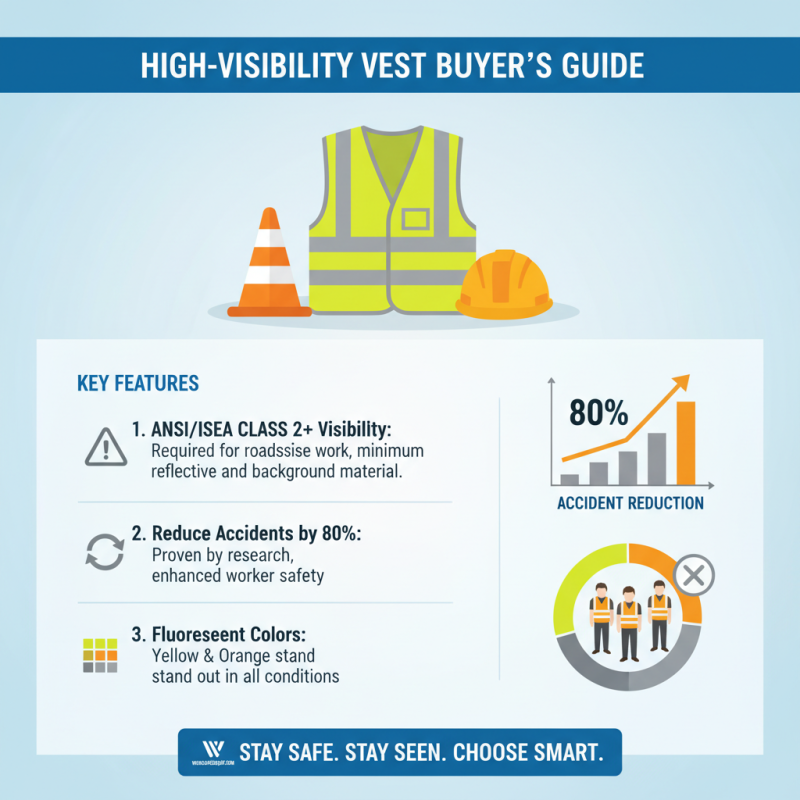
When selecting a hi vis vest, visibility is paramount. Look for vests with a minimum of Class 2 visibility, as per ANSI/ISEA standards. Research shows that high visibility clothing can reduce accidents by up to 80%. The color plays a crucial role; fluorescent colors like yellow and orange stand out against diverse backgrounds.
Material durability is another critical factor. A lightweight, breathable fabric can enhance comfort in warm environments. Many workers prefer vests that feature reflective strips. These can improve visibility in low-light situations by as much as 200%. It’s essential to consider the vest's fit; an ill-fitting vest can hinder movement and reduce overall safety.
Balancing comfort and functionality is vital. Some vests come with pockets for tools or gear. While this adds convenience, too many pockets can also create bulk, potentially obstructing visibility. Moreover, if the vest is too loose, it can flap around and distract the wearer. Each element must be weighed carefully to ensure optimal safety and visibility.
Different Types of Hi Vis Materials and Their Visibility Features
High visibility (Hi Vis) vests are essential for ensuring safety in various work environments. The material used in these vests plays a significant role in their visibility features. Common materials include polyester, cotton blends, and retroreflective materials. Each of these offers different benefits and levels of visibility.
Polyester is popular due to its durability and moisture-wicking properties. It often comes in bright colors like fluorescent yellow or orange. According to a report by the ANSI (American National Standards Institute), fluorescent materials can increase visibility in daylight by up to 200%. On the other hand, retroreflective materials work best in low light. They reflect light back to its source, enhancing visibility at night or in poorly lit conditions. A study from the CDC indicates that wearing retroreflective gear reduces accident risk by 25% in construction zones.
It's important to consider the environment. For instance, a construction site may require heavier-duty materials than a traffic control situation. However, many people underestimate the significance of fit and comfort. A vest that is too loose or tight can limit movement and reduce effectiveness. Ensuring proper sizing is crucial for maximum safety. Not all vests are created equal, and the choice should reflect the specific conditions of the job. Being mindful of these factors can ultimately make a difference in safety outcomes.
Types of Hi Vis Materials and Their Visibility Features
Assessing Fit and Comfort for Long-Term Wear of Hi Vis Vests
When selecting a hi vis vest, fit and comfort are pivotal for long-term wear. A study from the American National Standards Institute (ANSI) highlights that proper fit can enhance visibility and reduce workplace accidents by up to 15%. Ill-fitting vests can lead to distractions and discomfort, diminishing overall safety. Therefore, it's crucial to try on various sizes before making a choice.
Breathable materials can significantly improve comfort during extended use. Reports indicate that workers wearing breathable hi vis vests report 30% less fatigue than those in standard products. Comfort translates to better concentration and performance. Consider features like adjustable straps and lightweight fabrics. These elements not only increase wearability but also enable better mobility.
It's essential to recognize that aesthetics shouldn't be the only factor. The color and reflectivity must meet safety regulations. However, some workers prioritize style, which can compromise effectiveness. Balancing comfort, fit, and compliance with visibility standards requires careful thought and reflection. Taking the time to assess these factors ensures greater safety on the job.
Regulatory Standards and Certifications for Hi Vis Safety Vests
When selecting a hi vis vest, understanding regulatory standards is crucial. Various regions have specific guidelines that define what qualifies as adequate visibility gear. In many places, vests need to meet standards like ANSI in the U.S. or EN 20471 in Europe. These certifications ensure that a vest has the correct amount of reflective material and bright color.
It's essential to pay attention to the level of visibility provided by the vest. Some vests might look bright but do not meet safety standards. Look for vests that pass regulatory tests to ensure your safety. Not all garments marketed as high visibility are safe for all environments. A vested interest in understanding these certifications can prevent accidents.
Choosing the right vest also involves considering the work environment. For example, a construction site may require a different standard than a roadside emergency. Reflective strips and color patterns can play a role in how effectively a vest stands out. It’s worth noting that comfort and fit are also important but often overlooked. A poorly fitting vest can restrict movement, reducing overall safety.