How to Choose the Right High Visibility Vest for Safety and Comfort?
When selecting a High Visibility Vest, safety and comfort are paramount. In various industries, proper visibility reduces accident risks significantly. According to a recent report from the National Safety Council, wearing high visibility clothing can lower the likelihood of workplace accidents by 32%. This statistic underscores the importance of choosing the right vest.
Dr. Emily Tran, a leading expert in workplace safety, emphasizes, "A high visibility vest must balance safety and comfort to be effective." Her research highlights that a well-fitted vest encourages consistent use, enhancing overall safety. However, many options on the market do not meet both criteria.
Choosing a High Visibility Vest requires careful consideration. Factors like material, fit, and reflective features matter greatly. A vest that is uncomfortable may be discarded, negating its safety benefits. Reflecting on the growing diversity in workplace environments is crucial. Selecting the right vest is not just about visibility; it's about fostering a culture of safety awareness.
Understanding High Visibility Vests: Importance and Applications
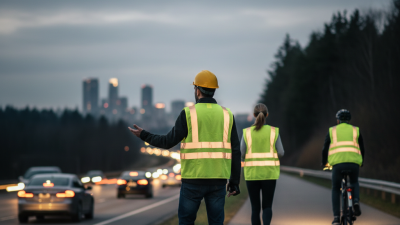
High visibility vests play a critical role in ensuring safety across various industries. According to the Bureau of Labor Statistics, high-visibility clothing contributes to over 50% reduction in accidents for road workers and traffic personnel. The bright colors and reflective materials help improve visibility, especially in low-light conditions. Whether in construction, road maintenance, or event management, these vests are essential.
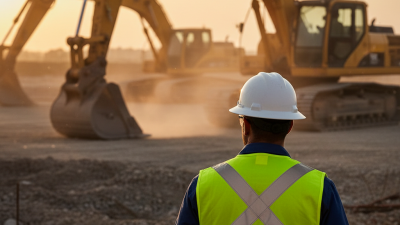
Understanding the applications of high visibility vests is important. In construction zones, workers are surrounded by moving machinery. Studies show that effective visibility can decrease the likelihood of accidents by up to 75%. For road workers, wearing a high visibility vest signifies their presence to drivers. Reflective strips enhance visibility at night, ensuring safer environments.
Not all high visibility vests are created equal. Factors such as color, fabric, and fit significantly affect their effectiveness. A poorly fitting vest may not provide the necessary visibility. The American National Standards Institute (ANSI) has set guidelines which identify the minimum requirements for these garments. Many workers remain unaware, leaving them exposed to risks. Proper training on usage could further enhance safety. Balancing comfort and safety remains a challenge.
How to Choose the Right High Visibility Vest for Safety and Comfort?
| Feature |
Description |
Importance |
Recommended Use Cases |
| Material |
Typically made from lightweight, breathable fabrics with high visibility colors. |
Ensures comfort during extended wear and enhances visibility. |
Construction sites, roadside work, cycling. |
| Visibility Level |
Reflective strips and fluorescent materials increase visibility in low-light conditions. |
Critical for safety in areas with vehicle traffic. |
Emergency responders, road safety personnel. |
| Size & Fit |
Available in various sizes; should fit comfortably over clothing. |
A proper fit allows for greater mobility and comfort. |
Service work, construction, on-site tasks. |
| Pockets |
Additional pockets for storage of small tools or essentials. |
Convenience for workers who need to carry items. |
Maintenance jobs, outdoor work. |
| Breathability |
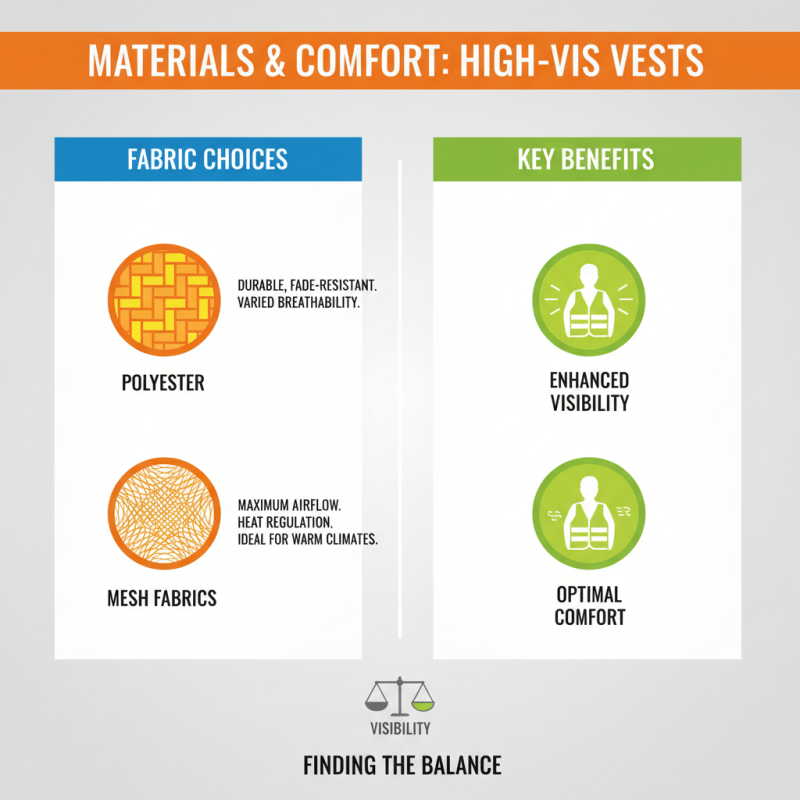
Mesh or ventilated designs improve airflow to reduce sweating. |
Enhances comfort in hot conditions. |
Construction, outdoor activities in warm climates. |
Key Features to Consider in High Visibility Vests for Safety
When selecting a high visibility vest, safety features are crucial. A vest should have reflective strips that enhance visibility in low light. Look for materials that are durable yet breathable. Choosing fabrics with moisture-wicking properties can improve comfort during extended wear.
Consider the fit of the vest. It should allow for easy movement without being too loose or restrictive. Pockets are also important for utility, but they should not interfere with visibility or movement. Some vests offer adjustable features that accommodate different body types.
Not all vests are created equal. Think about the environment where you'll use the vest. Urban settings may require different features than rural ones. Reflect on your daily activities and how visibility can impact your safety. The right vest should strike a balance between comfort and functionality, meeting both safety standards and your personal needs.
Sizing and Fit: Ensuring Optimal Comfort in High Visibility Vests
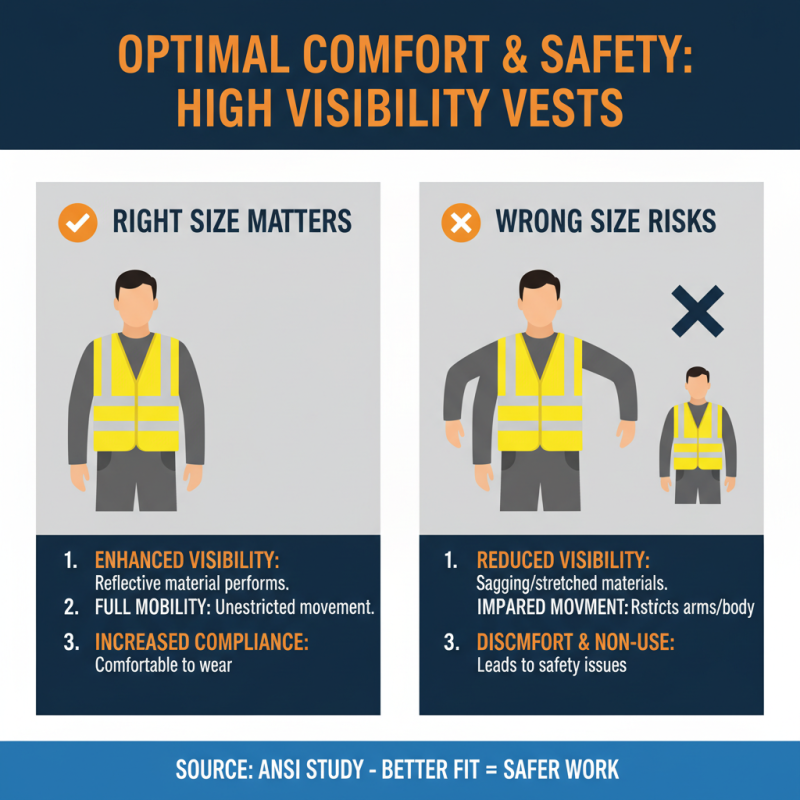
When selecting a high visibility vest, sizing and fit are critical for both safety and comfort. A poorly fitting vest may reduce visibility and impair movement. According to a study by the American National Standards Institute, proper fit can enhance both visibility and comfort, leading to better compliance and safety outcomes on the job. The right fit ensures that reflective materials perform well without hindering mobility.
Tip: Measure your chest and waist accurately before purchasing a vest. Choose a size that allows a full range of motion. Fabrics that stretch and breathe will enhance comfort during long hours of wear. Ensure that the vest sits properly on your shoulders without being too loose or tight.
Choosing the correct size can be challenging. Many vests come in a range of sizes, but not all manufacturers use the same sizing systems. This inconsistency can lead to confusion. It may be beneficial to try on different styles and sizes, focusing on how each option fits while moving. Remember, a secure yet comfortable fit can positively impact performance in high-risk environments.
Selecting the Right Color and Reflective Options for Visibility
Selecting the right color and reflective options for high visibility vests is crucial for safety. According to the American National Standards Institute (ANSI), colors like fluorescent yellow-green are most effective. In busy work zones, these colors enhance visibility against various backgrounds. In fact, studies show that brightly colored vests can increase visibility by up to 300%. This is vital for workers in transportation and construction, where hazards are abundant.
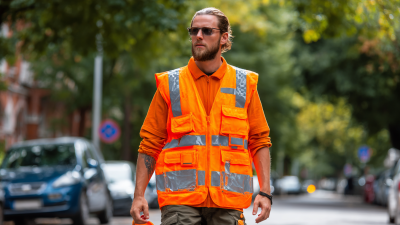
Reflective materials are another key element. There should be at least 155 square inches of reflective material on a vest to meet ANSI standards. The pattern and placement of reflective strips greatly impact visibility. A vest that features horizontal and vertical strips can increase awareness from multiple angles. It helps motorists and heavy machinery operators see workers clearly, reducing the risk of accidents. In one study, vests with improved reflective patterns were credited with a 25% decrease in accident rates.
Choosing the right options can reflect a commitment to safety. However, there can be challenges. Not all reflective materials perform well in different weather conditions. Some lose effectiveness when wet or dirty. Ensuring that a vest remains clean and intact is essential yet often overlooked. Regular inspections can help identify wear and tear. This attention to detail can make a significant difference in maintaining safety standards on-site.
High Visibility Vest Color and Reflective Options