How to Choose the Right Safety Jacket for Your Needs?
Choosing the right Safety Jacket can be daunting. With numerous options available, how do you know which one suits your needs? Industry expert, John Smith, states, "A proper Safety Jacket is not just a necessity; it can save lives."
Safety Jackets vary in design, materials, and function. Some are high-visibility, ensuring you stand out in hazardous environments. Others are insulated for cold weather. When selecting a jacket, consider your specific tasks. The wrong choice might reduce your safety on the job.
Reflecting on your experiences is essential. Have you felt unprotected in your jacket before? That could indicate a mismatch. Evaluating feedback and expert recommendations helps. Selecting the right Safety Jacket is a balance of utility and personal comfort. Your safety is invaluable, so prioritize it carefully.
Understanding the Importance of Safety Jackets in Various Industries
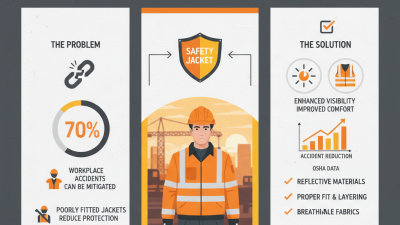
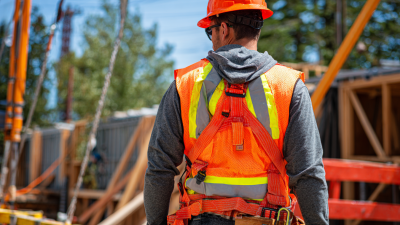
Safety jackets play a crucial role in many industries. They provide visibility, protection, and comfort for workers in hazardous environments. In construction sites, for instance, a safety jacket helps ensure that workers are seen, reducing the risk of accidents. Similarly, in emergency services, bright colored jackets can be life-saving during chaotic situations.
Choosing the right safety jacket is essential. Factors such as fabric type, weather conditions, and the specific task at hand should be considered. For instance, a lightweight, breathable jacket is ideal for hot weather. Conversely, insulated jackets are necessary in colder climates. Reflective strips enhance visibility but might wear out over time, which is something to keep in mind.
While many might opt for standard options, not all jackets meet every industry's needs. A poorly fitted jacket could hinder movement, affecting performance. Regularly assessing the condition of safety jackets is vital. Damaged or worn jackets should be replaced to maintain high safety standards. The importance of selecting the correct jacket cannot be underestimated; it is a vital aspect of workplace safety.
Identifying Different Types of Safety Jackets and Their Features
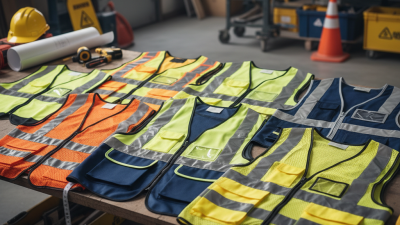
When selecting a safety jacket, it is vital to understand the different types available. High-visibility jackets, for example, offer crucial visibility in low-light conditions. According to the Bureau of Labor Statistics, wearing high-visibility clothing can reduce workplace accidents by 30%. These jackets typically feature bright colors and reflective strips, ensuring that workers are easily seen.
Another type is insulated jackets, designed for cold environments. These jackets maintain body temperature while allowing mobility. Reports from the National Institute for Occupational Safety and Health indicate that workers exposed to cold stress are at higher risk for chronic health issues. A good insulated jacket often includes features like thermal linings and waterproof exteriors, which provide added comfort and protection against the elements.
Some jackets combine features, providing versatility. Multi-purpose jackets may have removable linings or modular components for different hazards. However, the balance between safety and comfort can be challenging. Workers may find jackets too bulky, leading to reduced wear. Ensuring the right fit and function is crucial for effective use.
Evaluating the Right Material for Your Safety Jacket Needs
Choosing the right material for your safety jacket is crucial for ensuring optimal protection and comfort. Various materials offer different benefits. For instance, waterproof fabric can be essential for outdoor work in wet conditions. Lightweight materials may enhance mobility, making tasks easier.
When selecting a material, consider the specific hazards you face. For construction sites, sturdy and durable fabrics are critical. If working in low-visibility areas, reflectivity becomes a key feature. Remember, not all materials provide the same level of protection against elements. Evaluating your environment and risks can guide you.
Tips: Look for breathable fabrics if you work in hot conditions. This will help regulate body temperature. Test the flexibility of the jacket. A stiff jacket may restrict movement. Think about the washing and maintenance needs too. Some materials require special care, while others are machine washable. Making the right choice can significantly impact your safety and comfort.
Sizing and Fit Considerations for Optimal Safety and Comfort
Choosing the right safety jacket involves understanding the importance of sizing and fit. A well-fitted jacket ensures both safety and comfort. Data from the Occupational Safety and Health Administration (OSHA) indicates that improper fit can lead to accidents and injuries. In fact, over 25% of safety gear failures are attributed to poor sizing. Therefore, selecting the appropriate size is crucial.
When trying on a safety jacket, it's essential to check the shoulder seam alignment and ensure full range of motion. The jacket should feel snug but not restrictive. According to a report by the National Institute for Occupational Safety and Health (NIOSH), wearing a jacket that is too loose can hinder mobility and expose workers to hazards. Additionally, if your safety jacket is too tight, it restricts airflow, which can lead to overheating.
Beyond measurements, consider the type of activities you will perform. For heavy-duty tasks, a bulkier jacket may be necessary. On the other hand, if agility is a concern, a lighter jacket might be preferable. Always remember that what works for one individual might not suit another. Personal preference plays a significant role in comfort and functionality. Taking time to try on different styles can make a noticeable difference in your safety and performance.
How to Choose the Right Safety Jacket for Your Needs? - Sizing and Fit Considerations for Optimal Safety and Comfort
| Safety Jacket Type |
Size Range |
Fit Type |
Material |
Weather Resistance |
Comfort Features |
| High-Visibility Jacket |
S - 3XL |
Regular Fit |
Polyester |
Water Resistant |
Ventilation Panels |
| Insulated Safety Jacket |
M - XXL |
Relaxed Fit |
Nylon |
Cold Weather |
Fleece Lining |
| Rainproof Safety Jacket |
XS - 2XL |
Slim Fit |
PVC Coated |
Heavy Rain |
Adjustable Cuffs |
| Multi-Purpose Safety Jacket |
S - 4XL |
Standard Fit |
Cotton Blend |
Dry Weather |
Reflective Strips |
Assessing Additional Features for Enhanced Safety and Visibility
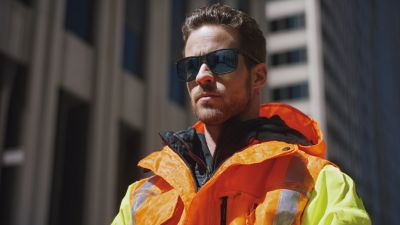
When selecting a safety jacket, additional features can elevate your protection and visibility. Look for jackets with reflective strips. These strips increase your visibility, especially in low-light conditions. Bright, contrasting colors also enhance safety. A neon yellow or orange jacket stands out against many backgrounds.
Consider pockets and zippers. Multiple pockets allow for easy access to tools and essential items. A jacket with a secure zipper prevents items from falling out. Ventilation is another critical feature. Breathable fabrics contribute to comfort, especially during physical work. However, not all jackets prioritize this aspect, which may lead to discomfort over time.
Remember to check for adjustable cuffs and hems. These features help tailor the fit to your needs. A poorly fitted jacket can hinder mobility. While some jackets may promise versatility, they might not meet specific demands well. It’s important to recognize that not every additional feature is necessary for every job. Prioritize what truly matters for your safety and efficiency.