Top 10 Essential Safety Vest Tips for Global Buyers
When it comes to workplace safety, the right gear is crucial. Safety vests play a vital role in keeping workers visible in hazardous environments. For global buyers, choosing the correct safety vest can be daunting. Many factors come into play, such as visibility, material, and comfort.
Global buyers often face challenges when selecting safety vests. Numerous brands offer different features, making the decision complex. A poor choice can lead to safety risks, which are unacceptable. Each vest type has its unique specifications that require careful consideration.
It's essential to understand your project's specific needs. Assessing the working environment is critical. Does the vest meet required safety standards? Visibility in low-light areas is often overlooked but is absolutely necessary. By evaluating these details, buyers can make informed decisions that ensure safety and compliance.
Understanding Safety Vest Types for Diverse Industries
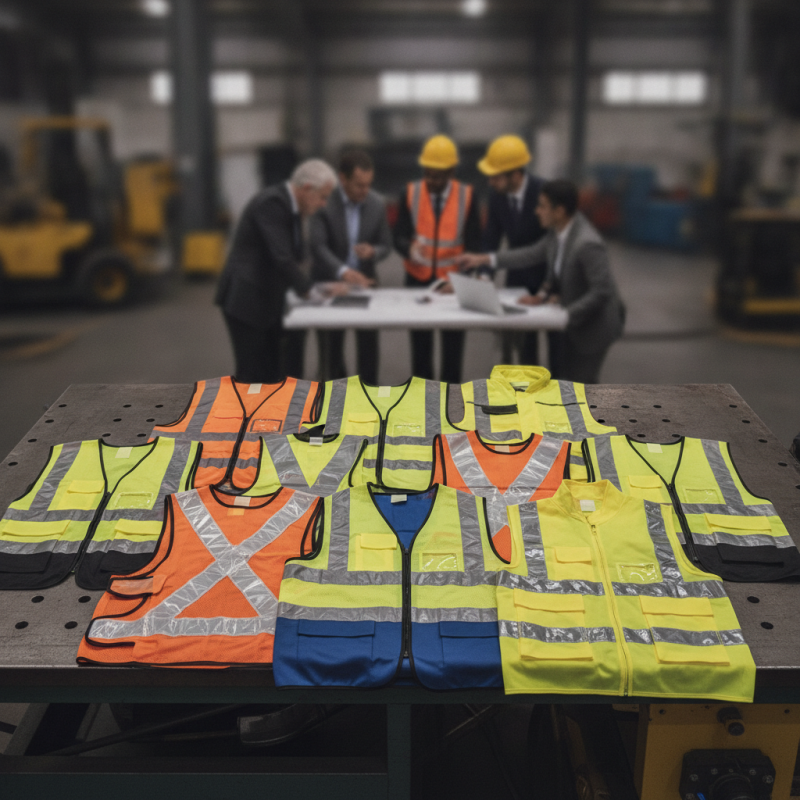
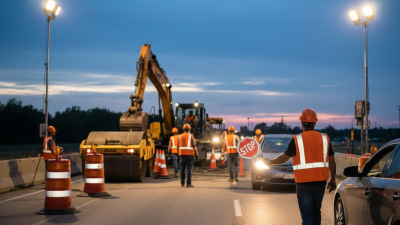
Understanding safety vest types is crucial for various industries. These vests come in different styles and materials, tailored for specific environments. For example, construction sites typically require high-visibility vests with reflective strips. These features enhance worker visibility, especially in low-light conditions.
In contrast, vests used in emergency response scenarios often include add-ons like pockets for tools and medical supplies. The material must be durable and withstand harsh conditions. Not all vests meet safety standards, so selecting the right one can be challenging. Buyers should research compliance with industry regulations to ensure reliability.
Many buyers overlook the importance of sizing and fit. A poorly fitting vest can hinder movement and reduce safety. Trying on different sizes can prevent discomfort and ensure proper protection. Reflecting on these details is essential for an effective purchase decision.
Key Features to Look for in High-Visibility Safety Vests
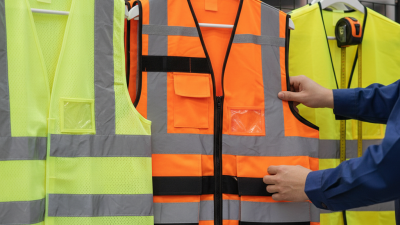
When selecting high-visibility safety vests, buyers should focus on several key features. One essential aspect is the fabric. Look for lightweight but durable materials that withstand harsh conditions. Anti-wick fabrics can keep moisture away, providing comfort. This feature is crucial for those working long hours.
Color is another important factor. Bright colors like neon yellow or orange enhance visibility in various environments. Reflective strips should be strategically placed. These strips increase safety during low-light conditions. Buyers must verify that these features meet local safety standards.
Consider adjustable fittings. Vests that can be tailored to fit different body types ensure comfort. This can reduce distractions while working. A poorly fitted vest may compromise safety and effectiveness.
Don’t overlook pockets for storage; they provide convenience for tools or personal items. Explore options that balance safety and practicality. Reflect on how these features align with specific work environments.
Selecting the Right Size and Fit for Maximum Comfort and Safety
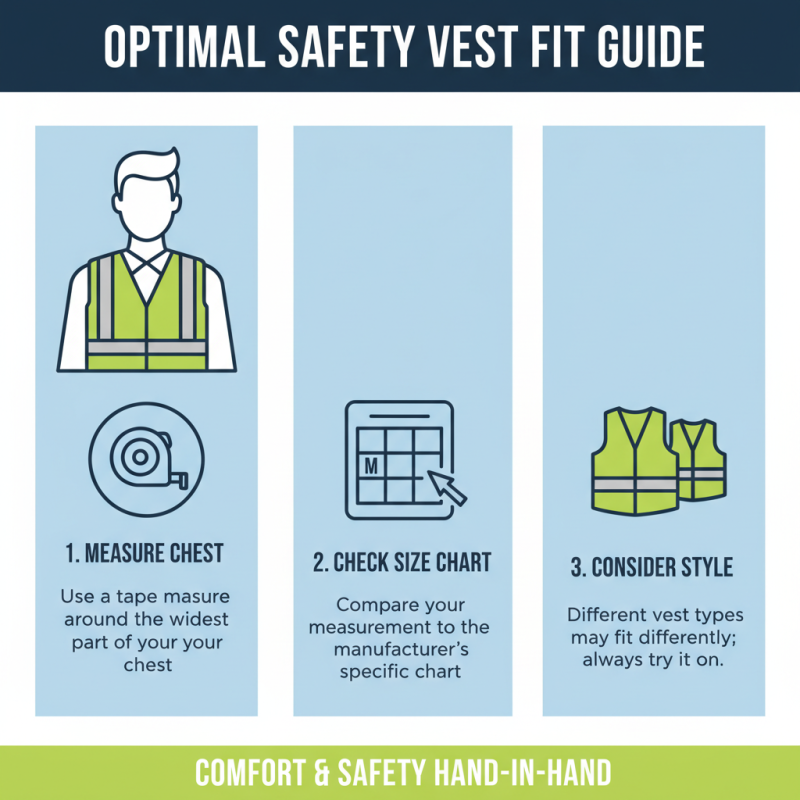
When choosing a safety vest, size and fit are crucial for both comfort and effectiveness. A vest that fits well will provide better visibility and mobility. Specifically, consider the measurement around your chest. Use a tape measure to ensure accuracy. Then, check the manufacturer’s size chart, which often includes helpful guidelines. Just remember, different styles might fit differently, even in the same size.
The vest's design can also impact your comfort level. Look for adjustable straps or elastic sides. These features can enhance the fit while allowing for movement. Pay attention to the length of the vest too. An overly long vest can hinder movement, while a short one might not provide adequate coverage. Reflect on your work environment. Will you be bending or stretching often? This consideration may affect your choice.
A common mistake is assuming that all safety vests are one-size-fits-all. In reality, many people overlook their body shape. This oversight can lead to discomfort and reduced protection. Testing different options is essential. You might find a design that feels great but doesn’t meet safety standards. It’s a challenge, but educational moments often arise from such experiences. Stability and function should always be the priority in your selection process.
Importance of Compliance with Safety Standards and Regulations
Safety vests are crucial in various industries, especially for those working in high-risk environments. Compliance with safety standards is not just a recommendation; it’s essential. Vests that meet safety regulations provide visibility and protection. When selecting a vest, checking certifications is key. Reliable documentation should accompany all safety gear, ensuring they meet the established guidelines for visibility and durability.
Incorporating features like reflective strips is vital. These strips enhance visibility, especially in low-light conditions. Ensure the fabric is durable yet breathable. Workers need to feel comfortable while remaining protected. The right safety vest also offers additional pockets for tools or personal items. These practical features make a vest more functional and useful on the job.
However, not all vests are created equal. It’s important to know that some products may seem compliant but lack proper testing. A focus on transparency is necessary. Ask suppliers for detailed product specifications. This helps avoid costly mistakes and ensures proper safety for all users. Reflect on your current suppliers; do they prioritize compliance and quality? This is a question worth considering.
Top 10 Essential Safety Vest Tips for Global Buyers
| Tip Number |
Safety Vest Type |
Compliance Standard |
Color Code |
Reflectivity Level |
| 1 |
Class 2 Vest |
ANSI/ISEA 107-2020 |
Fluorescent Orange |
High |
| 2 |
Class 3 Vest |
ANSI/ISEA 107-2020 |
Fluorescent Yellow |
Very High |
| 3 |
LHW Vest |
EN ISO 20471 |
Red |
Medium |
| 4 |
Fire Retardant Vest |
NFPA 70E |
Yellow |
High |
| 5 |
Cooling Vest |
None Specific |
Blue |
N/A |
| 6 |
Utility Vest |
ANSI/ISEA 107-2020 |
Green |
Medium |
| 7 |
Hi-Vis Vest |
CSA Z96 |
Orange |
High |
| 8 |
Sustainable Vest |
ISO 14001 |
Biodegradable Green |
Low |
| 9 |
Waterproof Vest |
None Specific |
Black |
N/A |
| 10 |
Multi-Purpose Vest |
ANSI/ISEA 107-2020 |
Mixed |
Medium |
Tips for Maintenance and Care of Safety Vests to Ensure Longevity
Maintaining safety vests properly can significantly prolong their lifespan. Regular cleaning is essential. Dirt and grime can reduce the vest's visibility. Handwashing with mild detergent is often recommended, while machine washing may be suitable for more durable fabrics. Always check the care label to ensure you follow the right procedure.
Storing your vests is another crucial aspect of care. Avoid hanging them in direct sunlight. UV rays can degrade the material over time. Instead, fold them and keep them in a cool, dry place. Inspect your safety vests frequently for any signs of wear and tear. Check for frayed edges or fading colors. Address any issues immediately to maintain effectiveness.
Reflecting on your habits can lead to better practices. Are you using the right cleaning methods? Are you storing vests properly? Small changes can have a big impact on safety equipment longevity. Prioritize maintenance to ensure your safety vests protect you effectively. Regular attention is key to enhancing their durability and performance.