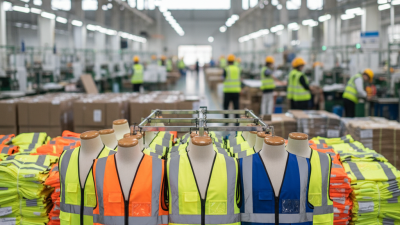
10 Essential Tips for Choosing the Right Hi Vis Jacket
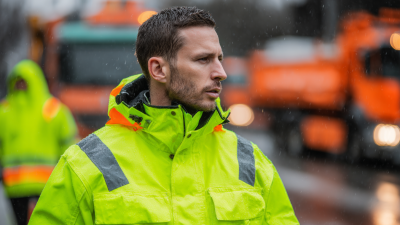
Selecting the right Jacket Hi Vis can be a daunting task. With numerous options on the market, it’s essential to ensure that your choice stands out for safety and comfort. Visibility is paramount in low-light conditions, making a quality hi vis jacket an indispensable part of your gear.
When shopping for a Jacket Hi Vis, consider the working environment you will encounter. Will you be exposed to rain, cold, or heat? Each condition requires specific features. Look for jackets with reflective strips and breathability. Don’t ignore size and fit; a poorly fitting jacket can hinder movement and reduce effectiveness.
Quality matters. Not all hi vis jackets are created equal. Some may fade or tear easily. Research reputable brands and dive into customer reviews for real-life experiences. Remember, investing in a reliable hi vis jacket is about safety and performance in your tasks. Consider this purchase carefully. Reflect on what features are vital for your unique needs.
Choosing the Right Hi Vis Jacket: Understanding Visibility Standards
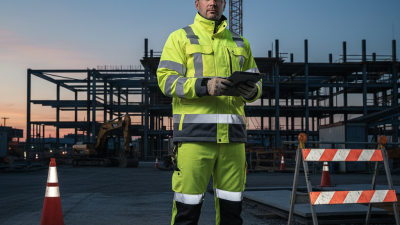
When selecting a high visibility (Hi Vis) jacket, understanding visibility standards is crucial. The main governing guidelines include ANSI/ISEA 107 in the USA and EN 20471 in Europe. These standards define how much reflective material a jacket must have to ensure visibility in various conditions. For instance, an ANSI Class 3 jacket requires the most reflective material, making it suitable for high-risk environments.
A startling statistic from the Occupational Safety and Health Administration (OSHA) indicates that about 70% of accidents in construction zones occur because workers are not visible. This highlights the importance of choosing the right Hi Vis jacket. Jackets that meet or exceed visibility standards can significantly reduce the risk of accidents. A brightly colored jacket with reflective strips enhances visibility at night or during poor weather conditions.
Additionally, constant innovation in materials and design is prevalent in the industry. While many jackets comply with standards, not all provide comfort and practicality. Workers should reflect on how a jacket’s fit, weight, and breathability affect overall safety. A poorly fitting jacket can restrict movement, reducing its intended protective benefits. Taking time to understand visibility standards and technology will greatly impact safety on the job.
Material Considerations for Hi Vis Jackets: Safety and Durability
When selecting a high visibility (hi vis) jacket, the material plays a crucial role in ensuring both safety and durability. According to a report from the Occupational Safety and Health Administration (OSHA), over 40% of workplace accidents occur in low-light environments. Thus, choosing the right fabric can significantly impact visibility and comfort. ANSI/ISEA 107 standards classify materials based on their reflective qualities, emphasizing the need for proper fabric selection.
Polyester is a popular option for hi vis jackets. It is durable and resistant to various weather conditions. Studies show that polyester jackets maintain their reflective qualities for longer periods compared to cotton options. However, cotton can offer comfort, especially in warmer climates. Yet, it absorbs moisture and may degrade faster under harsh conditions.
Another aspect to consider is the layer of insulation. Some jackets offer breathable linings while others do not. A report from the American National Standards Institute (ANSI) highlights that breathability can affect worker fatigue levels. Choosing a jacket without this feature may lead to discomfort on prolonged wear. Evaluate your specific use cases and select materials that balance safety with comfort.
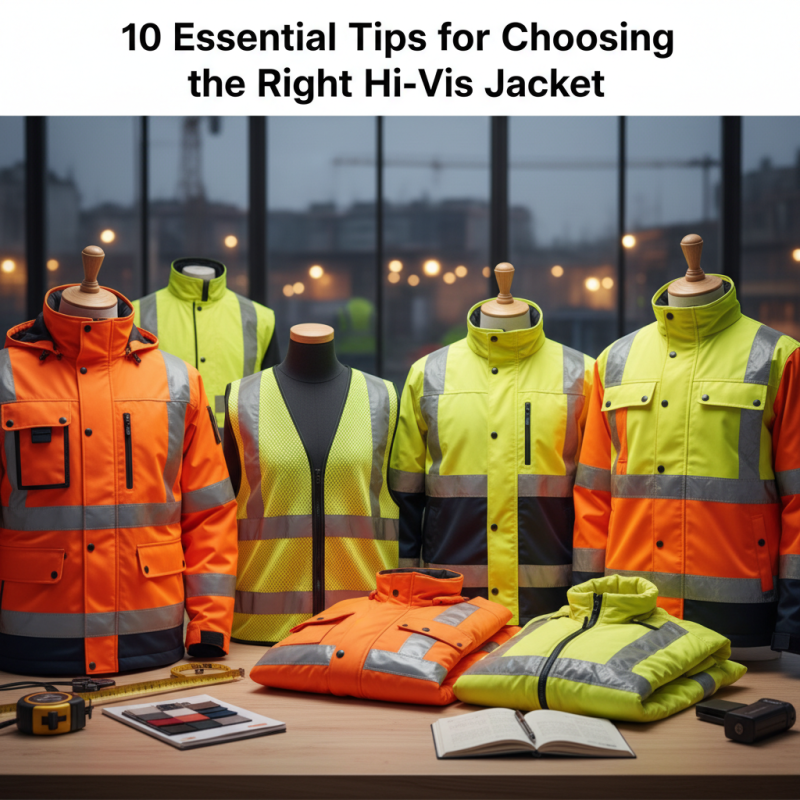
10 Essential Tips for Choosing the Right Hi Vis Jacket
Impact of Color on Visibility: Stats on Jackets for Day and Night Use
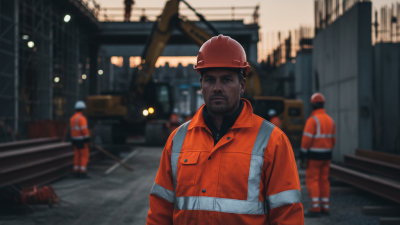
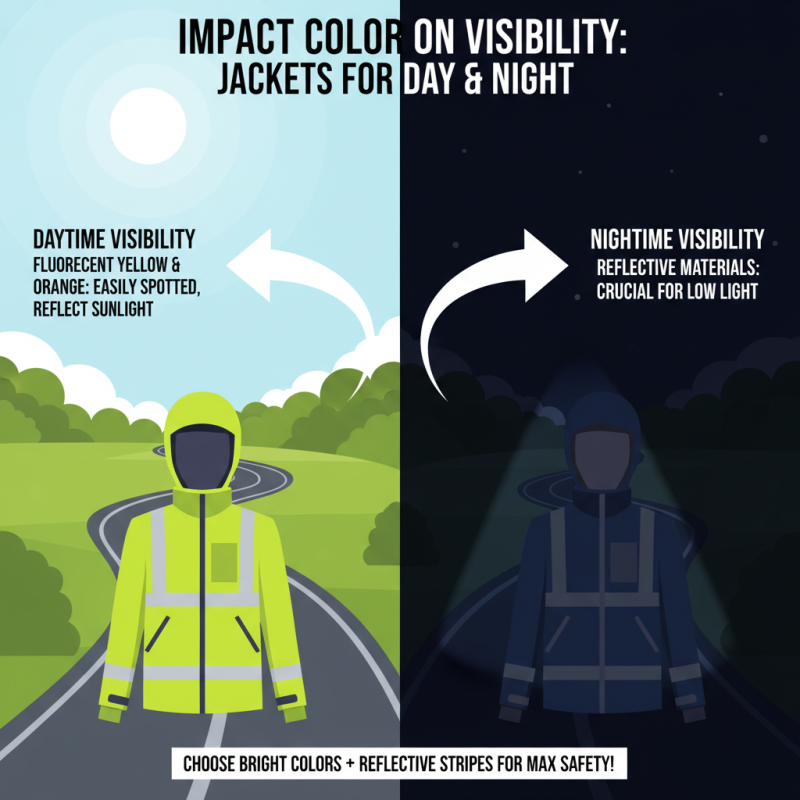
Choosing the right hi vis jacket is crucial for safety, especially regarding visibility. The color of the jacket significantly impacts your visibility during the day and at night. Bright colors like fluorescent yellow or orange can be easily spotted in daylight. They reflect sunlight, making you stand out against natural backgrounds.
At night, visibility relies on different factors. Reflective materials are vital for nighttime use. Many jackets include reflective strips that create a striking contrast in low light. Statistics show that wearing high-visibility colors reduces the risk of accidents significantly. A study indicated that individuals in bright colors are 70% less likely to be involved in incidents compared to those in dark clothing.
Nevertheless, it's essential to understand the environment where you'll be working or walking. Some colors may not be effective against specific backdrops. For instance, bright colors can blend in with construction sites. This blending can lead to misunderstanding and reduce effectiveness. Selecting the right color requires careful consideration of your surroundings and the lighting conditions. Always strive for a combination that maximizes safety and visibility.
Weather Resistance in Hi Vis Jackets: Essential Features for Outdoor Work
When choosing a hi vis jacket, weather resistance is crucial for outdoor work. Rain, wind, and cold can affect safety and productivity. Look for materials that repel water and wind. A breathable fabric will also help maintain comfort, especially during long hours of work.
Consider the jacket's features. Adjustable cuffs and hoods offer better protection against the elements. Jackets with reflective strips enhance visibility in low-light conditions. Remember that poor weather can lead to hazards. A reliable jacket can make a difference in preventing accidents. Check for sealed seams, too; this prevents water from seeping in.
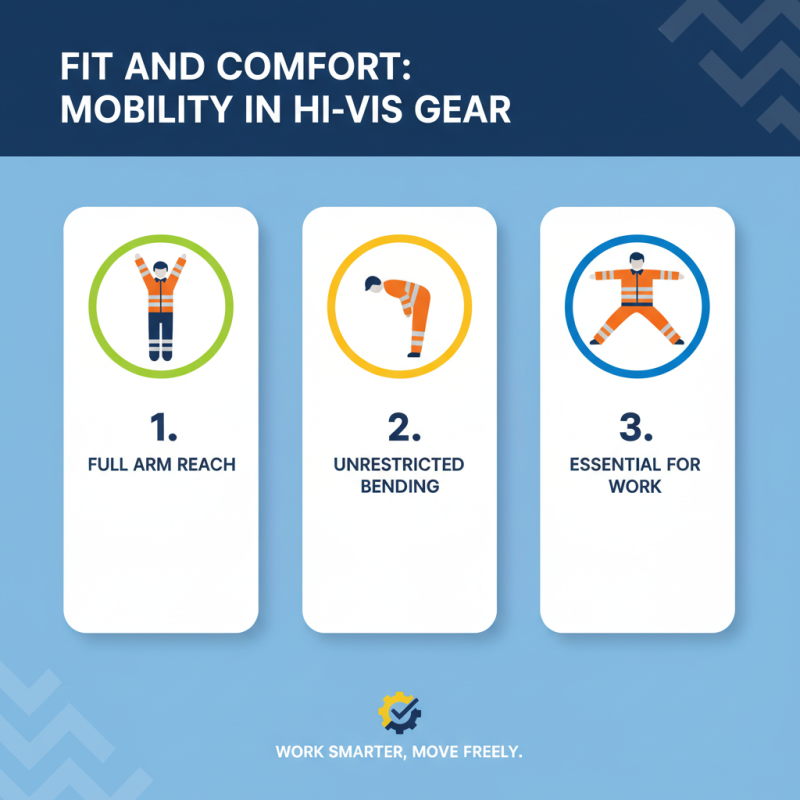
Keep in mind, a thicker fabric might not always be better. Some heavier jackets can restrict movement. Ensure you have a balance between warmth and flexibility. When trying on jackets, move around. Test the range of motion. If the fit feels off, the jacket won't serve its purpose. Reflect on these aspects as they can influence your choice significantly. Prioritize comfort and practicality in your decision-making process.