What is a Hi Vis Jacket and Why is it Essential for Safety?
In the world of safety workwear, the Hi Vis Jacket stands out. These jackets are essential for anyone working in hazardous environments. According to safety expert John Smith, "Visibility can save lives." This statement underscores the importance of wearing a Hi Vis Jacket on the job site.
A Hi Vis Jacket features bright colors and reflective materials. These characteristics make workers easily recognizable, even in low-light conditions. For example, construction sites and road work areas are filled with potential dangers. A simple jacket can make a significant difference in safety. However, not everyone wears them as they should. Some workers underestimate the risks involved, which can lead to regrettable outcomes.
Additionally, while Hi Vis Jackets are highly effective, they are not a foolproof solution. Too often, people rely solely on visibility without considering other safety measures. Wearing a Hi Vis Jacket is only one part of a larger safety strategy. It is essential to combine it with proper training and awareness. Ultimately, these jackets save lives, but only when their use is taken seriously.
What is a Hi Vis Jacket and Its Purpose in Safety
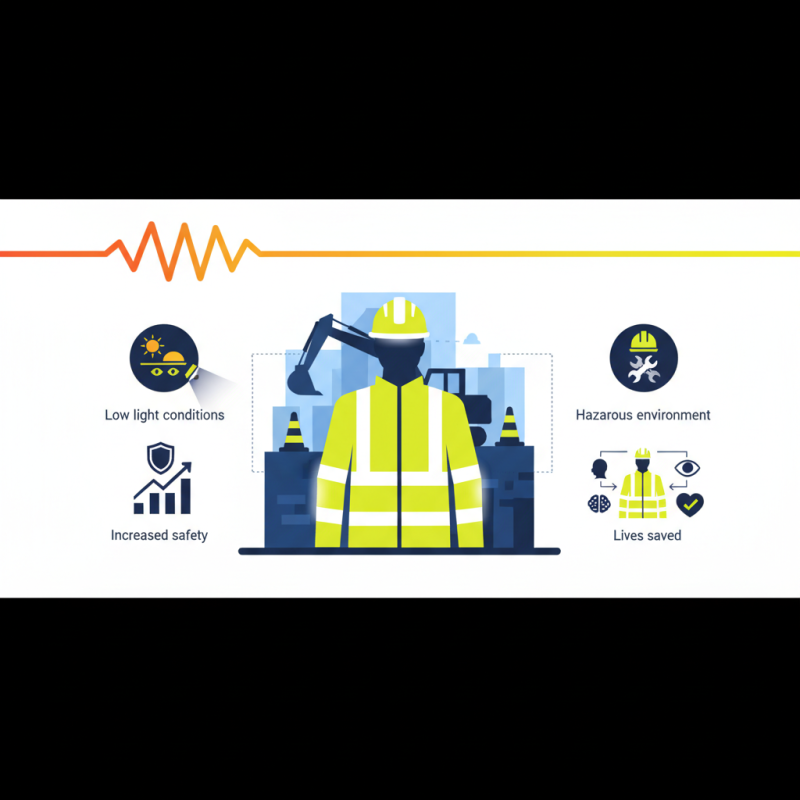
A Hi Vis jacket is designed for visibility. Its bright colors and reflective strips enhance safety in low-light conditions. Workers in construction, roadworks, and emergency services often wear these jackets. According to industry reports, wearing Hi Vis clothing can reduce accident risk by up to 50%. This statistic highlights the importance of visibility in preventing workplace injuries.
The purpose of a Hi Vis jacket extends beyond mere visibility. It establishes a sense of security. Workers feel safer when they can be easily seen. However, not all Hi Vis jackets are created equal. Some may not meet safety standards. A study showed that 30% of workers wear subpar jackets. This situation raises concerns about overall safety compliance in various industries.
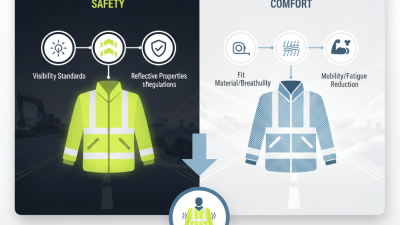
In addition to visibility, comfort plays a critical role. A Hi Vis jacket should fit well and allow movement. Uncomfortable jackets can lead to distractions or even neglect of safety protocols. Reports indicate that up to 40% of workers might take off their jackets if they feel restricted. This behavior underlines the need for better designs. Ensuring both safety and comfort must be a priority in safety gear development.
What is a Hi Vis Jacket and Why is it Essential for Safety?
| Feature |
Description |
Importance |
| Color |
Bright colors like neon yellow, orange, or green |
High visibility to alert others |
| Reflective Strips |
Strips of reflective material sewn onto the jacket |
Enhances visibility in low light conditions |
| Material |
Durable, weather-resistant fabric |
Provides protection against environmental conditions |
| Fit |
Loose-fitting to allow movement |
Ensures comfort while working |
| Usage |
Commonly worn in construction, roadwork, and emergency services |
Critical for worker safety in high-risk areas |
Key Features of Hi Vis Jackets for Enhanced Visibility
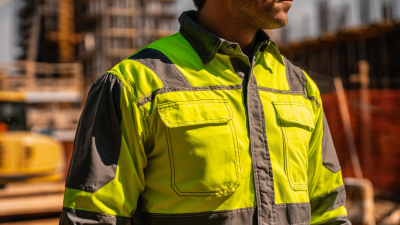
Hi Vis jackets are essential for safety, especially in low-light environments. They are made from bright, fluorescent fabrics that enhance visibility. This vivid color catches the eye quickly, alerting others to the wearer's presence. Many of these jackets include reflective strips. These strips reflect headlights and other lights, providing additional visibility in the dark.
Key features of Hi Vis jackets include adjustable designs for a better fit. Some jackets even have pockets for tools or personal items. Many are also breathable, making them comfortable to wear for long periods. However, wearers sometimes neglect to ensure proper sizing. A poorly fitted jacket can reduce visibility and comfort. Another aspect to consider is maintenance; keeping the jacket clean ensures that colors remain bright and visible.
Designs vary from simple to more complex. Some have hoods or extra insulation for colder conditions. Others might lack these features, leaving the wearer exposed. While convenience is important, protection should always come first. Being seen is critical. Ignoring these details could lead to dangerous situations.
Different Types of Hi Vis Jackets and Their Uses
Hi Vis jackets come in various styles, each designed for specific uses. The most common type is the traditional vest. This jacket is lightweight and easy to wear over other clothing. Workers in construction often use it. It helps them stay visible during daylight hours.
Another type is the insulated Hi Vis jacket. This variant is perfect for colder environments. It provides warmth while ensuring visibility. Workers like road crews and emergency responders benefit from this design. High visibility is crucial in low light conditions.
Some jackets are waterproof. They are essential for outdoor jobs during rainy weather. These jackets keep workers dry and visible at the same time. Also, there are options with reflective strips. These enhance safety in darker settings. Choosing the right Hi Vis jacket is key, but sometimes it’s overlooked. Not all workers prioritize their visibility. This can lead to hazards on the job. Safety should always come first.
Industry-Specific Regulations for Hi Vis Jacket Compliance
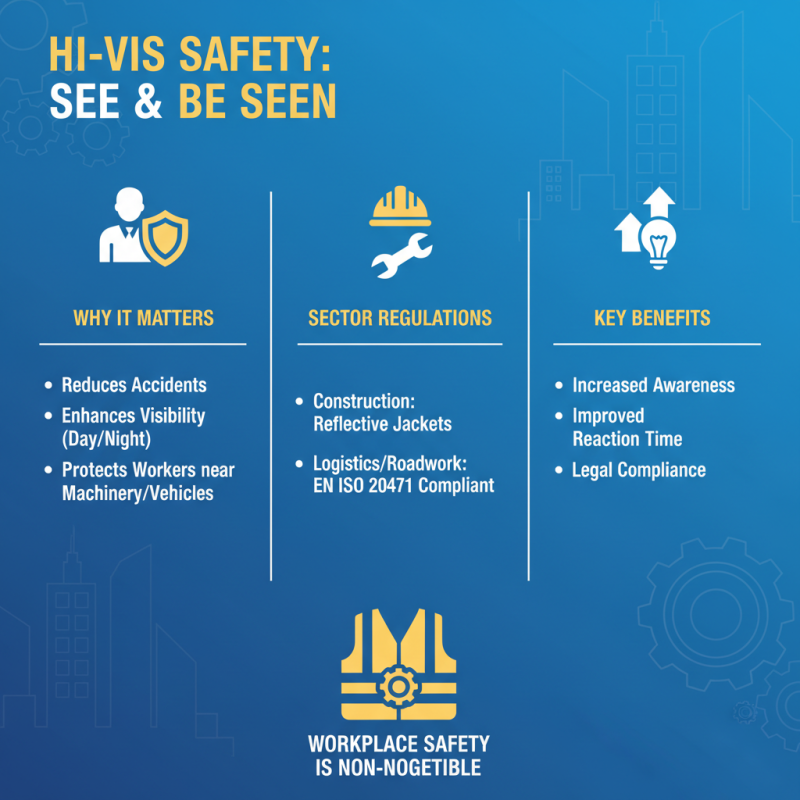
Hi Vis jackets are crucial for workplace safety, especially in high-risk industries. Different sectors have specific regulations for visibility. Construction sites, for example, require workers to wear reflective jackets. This enhances visibility in low-light conditions and busy environments. Employees are often exposed to moving vehicles and heavy machinery, making visibility essential.
Regulations can vary significantly by region and industry. In some areas, wearing a Hi Vis jacket is not just recommended; it's mandatory. Each industry—be it road construction, firefighting, or airport operations—has defined standards for compliance. These may include color specifications, reflective strip requirements, and overall design.
However, adherence to these regulations is sometimes overlooked. Often, workers may forget or neglect to wear proper gear. Training plays a vital role in promoting safety awareness. Employers need to actively enforce these standards. Without vigilant enforcement, even the best safety measures can fall short. Making Hi Vis jackets a regular part of the dress code can prevent accidents.
Best Practices for Wearing Hi Vis Jackets in Various Environments
Hi Vis jackets are crucial for safety in numerous environments. They enhance visibility, reducing the likelihood of accidents. Studies indicate that appropriate visibility can lower accident rates by up to 30%. Workers in construction, roadwork, and emergency services are particularly at risk. The use of Hi Vis attire is not just recommended; it often becomes mandatory in these settings.
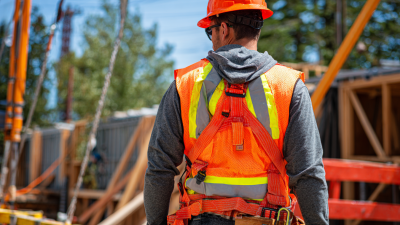
When wearing Hi Vis jackets, certain practices elevate safety. Ensure the jacket fits well. Excessively baggy jackets can obscure movement and distract. In busy environments, combining Hi Vis clothing with reflective gear improves nighttime visibility. Research shows that high-visibility colors, particularly fluorescent yellow and orange, stand out more, especially in low-light conditions.
Additionally, workers should keep their jackets clean. Dirty clothing diminishes visibility. Regularly inspect your gear for wear and tear. This can be overlooked when focused on daily tasks. In the end, while Hi Vis jackets enhance safety, proper usage is just as important. Making these adjustments can significantly improve safety outcomes in various work environments.