What is a High Visibility Vest and Why is it Essential for Safety?
In the dynamic world of safety attire, the High Visibility Vest stands out as a crucial component for ensuring the well-being of individuals working in hazardous environments. According to safety industry expert Dr. Emily Carter, “A High Visibility Vest is not just an accessory; it is a lifeline that enhances visibility and significantly reduces the risk of accidents.” This statement underscores the fundamental role that these vests play in a variety of settings, from construction sites to roadside work zones.
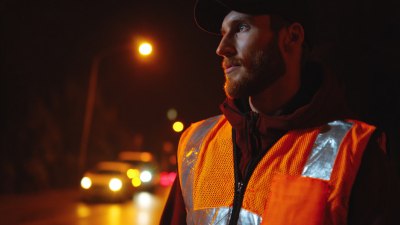
High Visibility Vests are designed with bright colors and reflective materials, making wearers easily seen by drivers and machinery operators. This visibility is essential, especially in low-light or cluttered environments where potential dangers lurk. As more organizations prioritize safety, incorporating such garments into standard operating procedures becomes increasingly vital. Whether worn by road workers, event staff, or emergency responders, the presence of a High Visibility Vest signals professionalism and a commitment to safety.
In sum, the High Visibility Vest is more than a standard piece of clothing; it is a critical safeguard for individuals whose work environments pose significant hazards. Proper use of these vests can save lives, making it imperative for organizations to recognize their importance and ensure compliance among their personnel.
What is a High Visibility Vest?
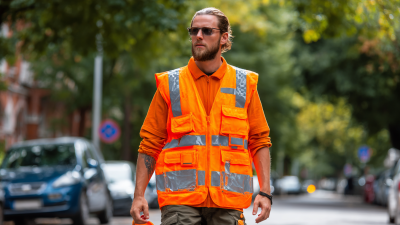
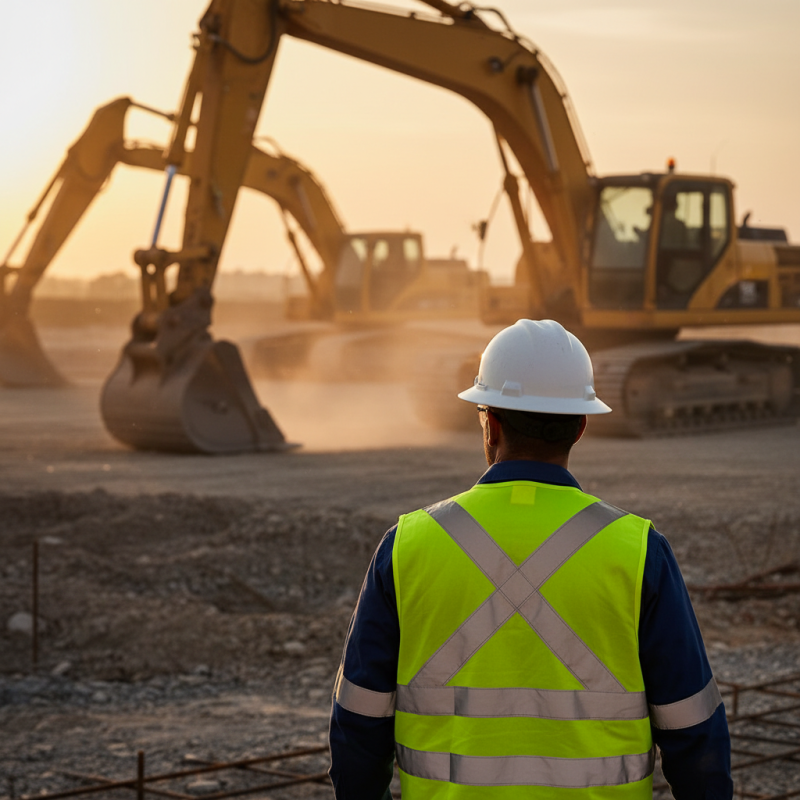
A high visibility vest, often made from fluorescent materials, is designed to enhance the wearer's visibility, especially in situations with low light or high traffic. These vests are typically bright yellow, orange, or green, colors that stand out against most backgrounds. They often feature reflective strips that catch light from headlights or street lamps, making the wearer more noticeable to drivers and pedestrians alike.
High visibility vests are essential for safety in various environments, such as construction sites, roadwork zones, and other areas where workers are in proximity to vehicular traffic. By wearing these vests, workers are significantly reducing their risk of accidents, as the bright colors and reflections provide an early warning to those nearby. In addition to their practical applications, high visibility vests also contribute to a culture of safety and awareness, encouraging individuals to remain vigilant and alert in potentially hazardous situations.
Key Features and Materials of High Visibility Vests
High visibility vests are essential safety garments designed to enhance the wearer's visibility in various environments, particularly in low-light or high-traffic areas. These vests are typically made from fluorescent materials that reflect light, ensuring that individuals are easily seen by motorists and others in the vicinity. According to the Bureau of Labor Statistics, work-related fatalities in construction and road work have been significantly reduced through the use of high visibility apparel, highlighting their crucial role in occupational safety.
Key features of high visibility vests include bright colors, reflective strips, and breathable fabrics. The fluorescent materials used often come in shades of neon yellow, orange, or green, which are scientifically proven to stand out against various backgrounds. The addition of retroreflective materials, which bounce light directly back to its source, further enhances visibility during nighttime or low-light conditions. A study from the National Institute for Occupational Safety and Health (NIOSH) indicates that visibility enhancement can decrease accident rates by up to 30%, underlining the importance of these features.
In terms of materials, high visibility vests are typically constructed from durable, lightweight fabrics that provide comfort and ease of movement while ensuring breathability. Many vests also incorporate moisture-wicking technology to enhance wearability in varying working conditions. Furthermore, some designs include pockets and adjustable features to maximize functionality. Understanding these elements is vital for selecting the appropriate vest for specific safety requirements in diverse industrial settings.
Statistics on Workplace Accidents and Visibility
In recent years, workplace safety has become increasingly important, and statistics highlight the critical role of visibility in preventing accidents. According to reports, approximately 20% of workplace fatalities involve employees being struck by vehicles, particularly in construction and industrial settings. These incidents often occur due to inadequate visibility, making it essential to prioritize high visibility measures, such as wearing high visibility vests.
To enhance safety in environments where vehicles or machinery operate, it's vital to adopt some practical tips. First, always ensure that your high visibility vest meets the industry standards for reflectivity and color. Bright colors like neon yellow or orange are preferred as they stand out against most backgrounds. Additionally, wearing the vest over outer layers can improve visibility further, especially in low-light conditions.
Another important consideration is the maintenance of your high visibility gear. Regularly inspect your vest for any signs of wear or damage, as these can reduce its effectiveness. Make it a habit to replace any frayed or faded vests immediately, ensuring that you and your coworkers are always visible. By taking these steps, employees can significantly reduce the risk of accidents and contribute to a safer workplace environment.
Regulatory Standards for High Visibility Clothing
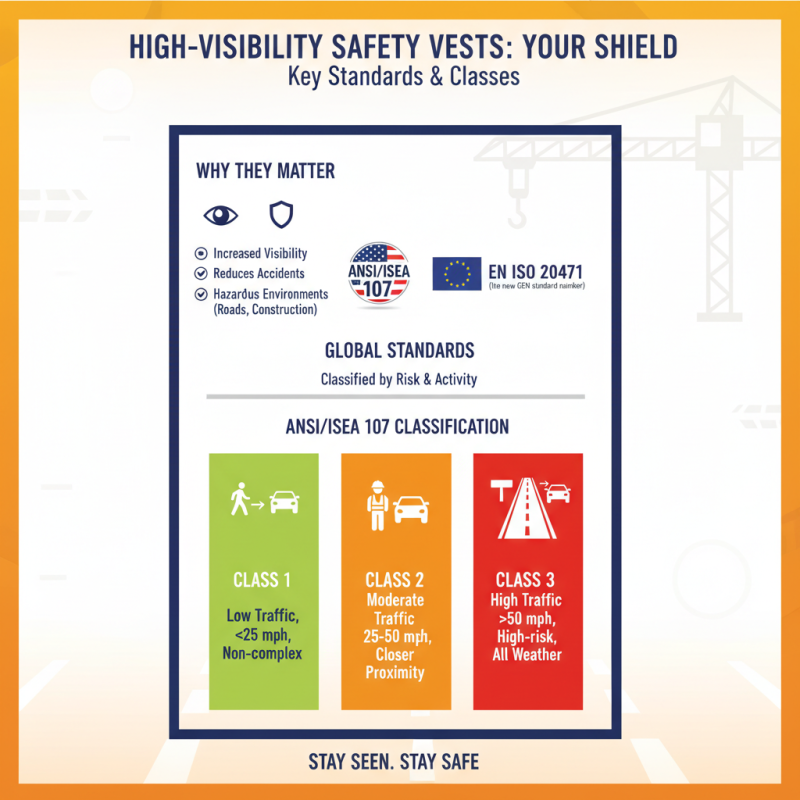
High visibility vests are critical components of safety apparel, particularly in environments where workers are exposed to potential hazards, such as roadways and construction sites. Regulatory standards for high visibility clothing are established to ensure that these garments effectively enhance the visibility of individuals in various working conditions, thereby reducing the risk of accidents. The American National Standards Institute (ANSI) and the European Committee for Standardization (CEN) set forth rigorous guidelines that delineate the performance requirements for high visibility clothing. According to ANSI/ISEA 107, there are specific classes of visibility apparel, categorized based on the level of risk and the type of activities performed, with Class 1 being for areas with low traffic and Class 3 for high-risk situations with high vehicle speeds.
Recent studies have highlighted the impact of high visibility clothing on safety outcomes. According to a report by the National Institute for Occupational Safety and Health (NIOSH), visibility-related accidents can lead to severe injuries or fatalities, often involving vehicles or machinery. Data indicates that wearing high visibility vests can reduce the risk of accidents by as much as 30%. The increased visibility ensures that workers are seen from a greater distance, allowing drivers and operators to react appropriately. Integrating these vests into workplace safety practices is not only a matter of regulatory compliance but also an essential strategy to safeguard the lives of workers in potentially dangerous settings.
The Role of High Visibility Vests in Road and Construction Safety
High visibility vests play a crucial role in enhancing safety for workers in road and construction environments. According to the Occupational Safety and Health Administration (OSHA), high visibility garments are essential for preventing accidents and ensuring that personnel are easily seen by moving vehicles and machinery. Statistics show that more than 75% of construction site fatalities involve workers being struck by vehicles or equipment. This highlights the necessity of wearing high visibility apparel to significantly reduce the risk of these incidents.
The effectiveness of high visibility vests is particularly prominent in low-light conditions and high-traffic areas. In a report by the National Institute for Occupational Safety and Health (NIOSH), a marked decrease in accident rates was observed when workers wore retroreflective materials, which are designed to bounce light back to its source. The data indicated that proper use of high visibility gear could lead to up to a 40% reduction in accidents in busy construction zones. This quantifiable impact on safety underlines the importance of integrating high visibility vests as part of standard personal protective equipment (PPE) in road and construction safety protocols. Ensuring that every worker is outfitted with these vests can prevent tragic accidents and save lives on the job site.