High Visibility Vest Essential Tips for Global Buyers
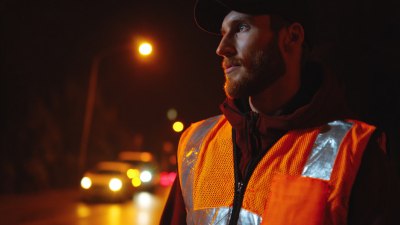
Selecting the right High Visibility Vest is crucial for safety and compliance. These vests are designed to enhance visibility in low-light conditions. Whether for construction sites, road work, or outdoor events, a dependable High Visibility Vest is essential.
Buyers must consider several factors when purchasing. The materials and reflective elements play a vital role in performance. Choosing the right size and fit ensures not just safety but comfort, which is often overlooked. Many users find vests too loose or tight, impacting their mobility.
Understanding the standards and regulations related to high visibility clothing can be complex. Not all vests meet the same criteria. Buyers should verify certifications and reviews. This ensures they are investing in reliable products. High visibility is not just a trend; it's a critical element for safety in various industries.
Understanding the Importance of High Visibility Vests in Safety Gear
High visibility vests are crucial in various work environments. These garments enhance safety by making the wearer easily noticeable. From construction sites to emergency responders, visibility is a key factor in ensuring safety.
When choosing high visibility vests, it’s important to consider color and reflective features. Bright colors, like fluorescent yellow or orange, work best during the day. Reflective strips enhance visibility at night or in low-light conditions. Not all vests are created equal; some might lack adequate reflectivity or comfort. It’s essential to evaluate the quality before making a purchase.
Understanding the standards governing these vests is vital. Compliance with safety regulations ensures that workers are adequately protected. Unfortunately, some buyers may overlook this aspect, leading to poor decisions. Such oversights can jeopardize safety. Investing time in research can greatly improve workplace safety and worker confidence.
High Visibility Vest Sales Comparison (2022-2023)
This bar chart compares the sales figures of high visibility vests across different regions for the years 2022 and 2023. The data highlights the increasing importance of safety gear in various markets, underlining the growing awareness of safety standards globally.
Key Features to Look for When Buying High Visibility Vests
When choosing high visibility vests, focus on several key features. A striking color is essential. Bright yellow or orange is generally the most effective. These colors stand out against various backgrounds. Reflective strips are equally crucial. Look for vests with good-quality reflective materials. They enhance visibility in low-light conditions, significantly improving safety.
Fit and comfort matter too. A vest should not be too loose or tight. It should allow for easy movement and layering over clothing. Breathable fabrics can help reduce discomfort in warm weather. Additionally, consider pockets. They can be handy for carrying small tools or personal items. However, avoid vests overloaded with features, as this might distract from their primary purpose.
Quality is another point to reflect on. Higher-priced options sometimes offer better durability and visibility. However, it can be tempting to go for the cheapest version. Balancing cost with quality can be tricky. Test a few samples to find what works best. Each choice should reflect a commitment to safety and effectiveness. Keep in mind that not all vests meet the same standards. Researching before purchasing helps ensure the right decision is made.
Material Considerations for Durability and Comfort in Vests
When selecting high visibility vests, material choice is crucial. Durable fabrics resist wear and tear from various environments. Polyester and nylon are popular due to their strength and lightweight properties. These materials ensure that the vest can withstand rough use while remaining comfortable for extended wear.
Comfort is equally important. The right fabric allows for breathability, which is vital during long hours in the field. Consider mesh panels for airflow. Reflective strips should be integrated seamlessly for safety without sacrificing comfort. Sometimes, vests fall short in these areas. For instance, a vest that is too rigid may hinder movement, making tasks more difficult.
Another aspect to reflect on is maintenance. Vests must endure frequent washing without losing functionality. Fabrics that fade or lose reflective properties quickly can compromise safety. Buyers should investigate the longevity of materials before making a decision. It’s worth remembering that the balance between durability and comfort can be challenging but is essential for a worthwhile investment.
High Visibility Vest Essential Tips for Global Buyers - Material Considerations for Durability and Comfort in Vests
| Material |
Durability Rating |
Comfort Level |
Weather Resistance |
Weight |
| Polyester |
High |
Moderate |
Yes |
Lightweight |
| Nylon |
Very High |
High |
Yes |
Moderate |
| Cotton Blend |
Moderate |
High |
Limited |
Heavy |
| Mesh |
Low |
Very High |
No |
Lightweight |
| Ripstop Fabric |
High |
Moderate |
Yes |
Lightweight |
Compliance Standards for High Visibility Vests in Different Markets
When sourcing high visibility vests, understanding compliance standards is crucial. Around the world, regulations vary significantly. For instance, the European standard EN 20471 sets rigorous requirements for visibility clothing. In the UK, this regulation is paramount for road workers and construction personnel. In the US, the ANSI/ISEA 107 standard plays a similar role, offering guidelines for performance levels based on end-use environments.
In Australia, AS/NZS 4602.1 applies to high visibility clothing, emphasizing the importance of reflective materials. Industry reports indicate that proper compliance can reduce workplace accidents by up to 30%. This highlights the need for global buyers to remain updated on these diverse standards.
Choosing the right materials is vital. Fluorescent colors significantly enhance visibility in daylight. However, the effectiveness of reflective components is equally critical during low-light conditions. Buyers should consider vests that meet or exceed the local market standards to ensure safety. Monitor advancements in materials and technology to stay ahead. Continuous research in this field could reveal emerging trends that impact compliance requirements. Engage with experts and review recent industry reports to enhance your knowledge base.
Maintenance and Care Tips for Long-Lasting Visibility Vests
Maintaining high visibility vests is crucial for ensuring safety in various work environments. Regular care can extend the lifespan of these garments significantly. According to the American National Standards Institute (ANSI), visibility vests should be cleaned regularly to maintain their reflective properties. Dirty vests lose reflectivity, making them less effective. Even a small amount of dirt can compromise visibility at night or in low-light conditions.
Washing these vests requires attention to detail. Use mild detergents and avoid fabric softeners, as they can degrade reflective materials. According to industry studies, the right washing methods can extend the life of these vests by up to 50%. Many workers overlook care instructions, leading to faster wear and tear. Proper storage also plays a role; keeping vests in a cool, dry place can prevent deterioration caused by moisture and heat.
Inspecting the vest regularly is essential. Look for signs of damage, such as frayed edges or fading colors. These issues can develop slowly, impacting visibility over time. Research has shown that a well-maintained vest can maintain its visibility standards for years, while neglected vests may need replacement sooner than expected. Understanding and applying these maintenance practices is not just about durability; it is about preserving safety for workers across various industries.