Top 10 High Visibility Vests for Safe Sourcing Worldwide?
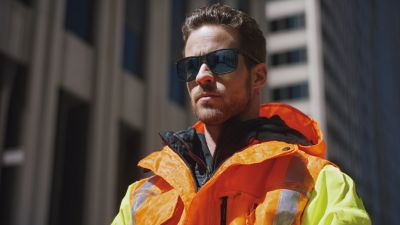
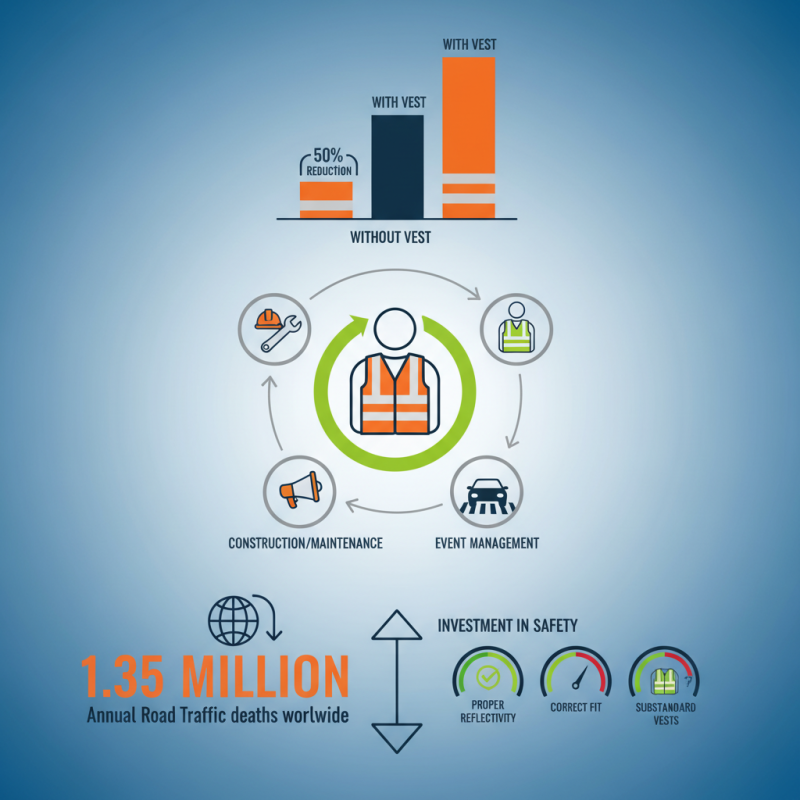
High Visibility Vests play a crucial role in ensuring safety across various industries. According to the World Health Organization, over 1.35 million people die in road traffic accidents each year. Many of these incidents could be prevented with the proper use of safety gear. A recent report from the National Safety Council highlights that wearing a High Visibility Vest could reduce the risk of collision by 50%.
As noted by safety expert Dr. Emily Carter, "High Visibility Vests are not just apparel; they are essential life-saving tools." This emphasizes the importance of selecting a vest that meets industry standards. Workers in construction, road maintenance, and event management often work in high-risk areas. They need gear that ensures maximum visibility.
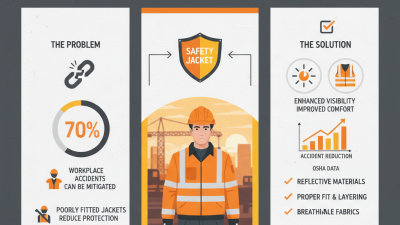
Despite the growing awareness, some companies still underestimate the significance of high visibility apparel. Reports show that many workers wear vests that lack proper reflectivity or fit. This can lead to dire consequences. Investing in quality High Visibility Vests is not just a recommendation; it is a responsibility towards worker safety. Choosing the right vest can make a real difference in high-risk environments.
Top Considerations for Selecting High Visibility Vests
When selecting high visibility vests, several key factors deserve attention. The material is crucial. Look for durable options that withstand harsh conditions. High-quality fabrics should be both breathable and lightweight. This ensures comfort for extended wear.
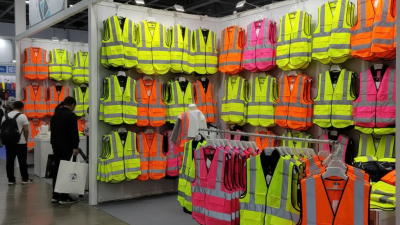
Color also plays a significant role. Bright shades like neon yellow and orange enhance visibility in various environments. The reflective strips must meet safety standards. They should be strategically placed to maximize exposure, especially in low-light situations.
Fit and sizing are critical. A vest that is too loose can hinder movement. Conversely, one that is too tight may restrict airflow. Choosing the right size ensures safety and comfort. Lastly, consider added features such as pockets. Functional designs can enhance practicality, allowing easy access to essential tools. Balancing these factors can significantly improve safety in the workplace.
Top 10 High Visibility Vests for Safe Sourcing Worldwide
This chart represents the visibility levels (in lumens) of the top 10 high visibility vests available worldwide. Higher lumens indicate better visibility, which is crucial for safety in various sourcing environments.
Key Features of Effective High Visibility Vests
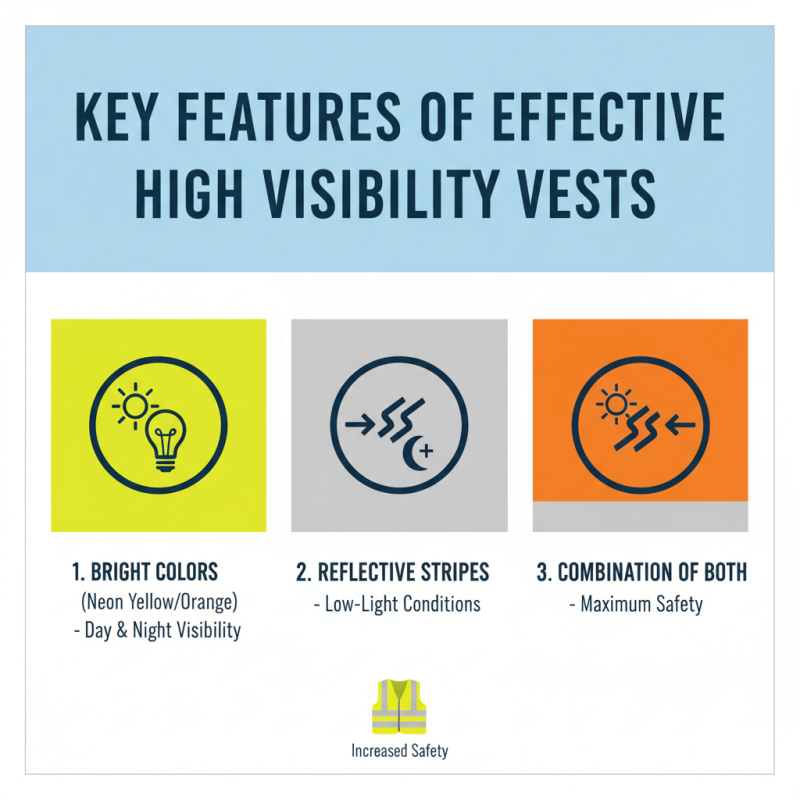
When choosing high visibility vests, consider the key features that ensure safety. Bright colors, like neon yellow or orange, enhance visibility during day and night. Look for vests with reflective strips. These strips can significantly increase visibility in low-light conditions. Many vests offer a combination of both features, ensuring maximum safety across various environments.
Durability is another essential aspect. Vests should withstand wear and tear from daily use. Materials like polyester or nylon are common for their strength. Breathable fabrics improve comfort during long hours of wear. This ensures that workers remain focused on their tasks instead of uncomfortable clothing.
Tips: Always check for proper sizing. An ill-fitting vest can reduce visibility and hinder performance. Consider additional features like pockets for storing small tools. However, ensure that pockets do not compromise the vest's reflective qualities. Regularly inspect your vest for wear. A damaged vest may not provide adequate safety.
Material Options for High Visibility Vests and Their Benefits
High visibility vests are crucial for ensuring safety in various work environments. The choice of material can greatly influence the vest's effectiveness. Common materials include polyester and mesh. Polyester offers durability and tensile strength, while mesh provides breathability. According to the American National Standards Institute (ANSI), proper visibility is critical in reducing incidents in construction zones. The right material can enhance visibility by reflecting light better under different conditions.
In many industries, comfort and safety are compromised. A report from the National Safety Council indicates that 41% of construction workers cite discomfort in their safety gear. This can lead to improper use. Lightweight materials can mitigate this issue, making vests easier to wear for longer durations. Incorporating reflective strips on any given fabric boosts visibility significantly. Studies show that vests with reflective strips increase visibility by up to 300% in low light conditions.
However, not all materials offer equivalent protection and comfort. Some vests may not meet the required safety standards. It’s essential for organizations to conduct a thorough assessment of each material's safety ratings. Investing time and resources in the right high visibility vest is key. The right choice ensures worker safety while enhancing overall compliance with safety regulations.
Comparative Analysis of Leading High Visibility Vest Brands
When choosing high visibility vests, quality and comfort are important. Various materials impact durability. Reflective strips are essential for safety. Consider the vest's fit and the weather conditions where it will be used. Some vests provide breathability, while others offer insulation for colder climates.
Tips: Always try the vest on before purchasing. Ensure it allows free movement. Adjustments can be necessary to accommodate layering. If possible, get feedback from colleagues who wear them regularly.
Many leading brands showcase their vests with vibrant colors. However, not all vests are created equal. Strive for an option that maintains visibility in fog or rain. Users often overlook this aspect. Some vests fade quickly after washing, reducing their effectiveness. Look for products that withstand repeated laundering while retaining brightness.
Another point to consider is the vest's multiple functions. Features like pockets and clips for badges can enhance usability. However, these additions can sometimes compromise comfort. Prioritize what is most important for your tasks. Assess the trade-offs each vest presents and choose wisely.
Safety Regulations and Standards for High Visibility Vests Worldwide
High visibility vests are vital for safety in various environments. They enhance the wearer's visibility, especially in low-light conditions. Different countries have established safety regulations for these vests. This ensures that they meet specific standards, which can vary significantly from one region to another.
In the European Union, EN 20471 is a prominent standard. It classifies vests based on visibility levels. Level 1 offers minimal visibility, while Level 3 provides the highest protection. The United States follows the ANSI/ISEA 107 standard. It outlines performance requirements and materials used. Compliance with these standards is essential for any organization prioritizing worker safety.
Despite existing guidelines, challenges persist. Some manufacturers may not adhere strictly to these regulations. This raises questions about the durability and effectiveness of certain vests in practical situations. Field tests often reveal inconsistencies. It's crucial for companies to regularly evaluate their safety gear. Relying solely on labels can lead to overlooked risks. Safety measures should include ongoing training and awareness programs for all employees.
Top 10 High Visibility Vests for Safe Sourcing Worldwide
| Model |
Material |
Certification Standards |
Color Options |
Reflective Striping |
| Model A |
Polyester |
ANSI/ISEA 107 |
Orange, Yellow |
Yes |
| Model B |
Mesh Fabric |
EN 20471 |
Green, Pink |
No |
| Model C |
Cotton Blend |
AS/NZS 4602.1 |
Yellow |
Yes |
| Model D |
Polyester |
ANSI/ISEA 107 |
Orange |
Yes |
| Model E |
Ripstop Nylon |
EN 20471 |
Red, Yellow |
No |
| Model F |
Reflective Fabric |
ANSI/ISEA 107 |
Yellow |
Yes |
| Model G |
Polyester Mesh |
EN 20471 |
Orange |
No |
| Model H |
Cotton |
AS/NZS 4602.1 |
Yellow, Green |
Yes |
| Model I |
Nylon |
ANSI/ISEA 107 |
Pink |
Yes |
| Model J |
Mesh |
EN 20471 |
Yellow |
Yes |