Why is a High Visibility Vest Important for Safety?
The significance of a High Visibility Vest in safety cannot be overstated. As accidents occur frequently on roads and construction sites, wearing reflective gear becomes crucial. Industry expert Dr. James Malone, a safety consultant, stated, “The right visibility can save lives.” This highlights the impact of proper gear on worker safety.
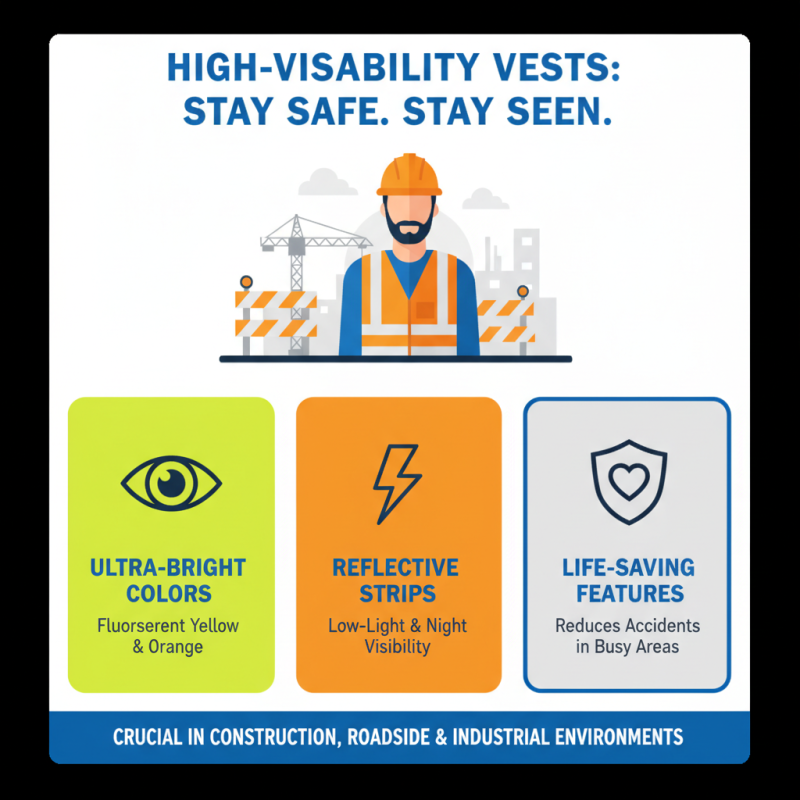
High Visibility Vests are designed to catch the eye. Bright colors and reflective strips increase the visibility of workers. This effect is especially vital during low-light conditions or in areas with heavy machinery. However, not all vests are created equal. Some do not meet necessary safety standards, leading to potential risks.
Moreover, awareness of their importance can be lacking. Many individuals still underestimate the role of a High Visibility Vest. It often feels like a simple accessory, but its purpose is life-saving. In a world where safety should be paramount, neglecting the basics can be a costly mistake.
Importance of High Visibility Vests in Various Settings
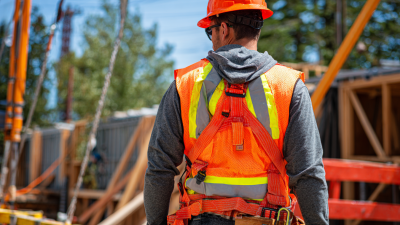
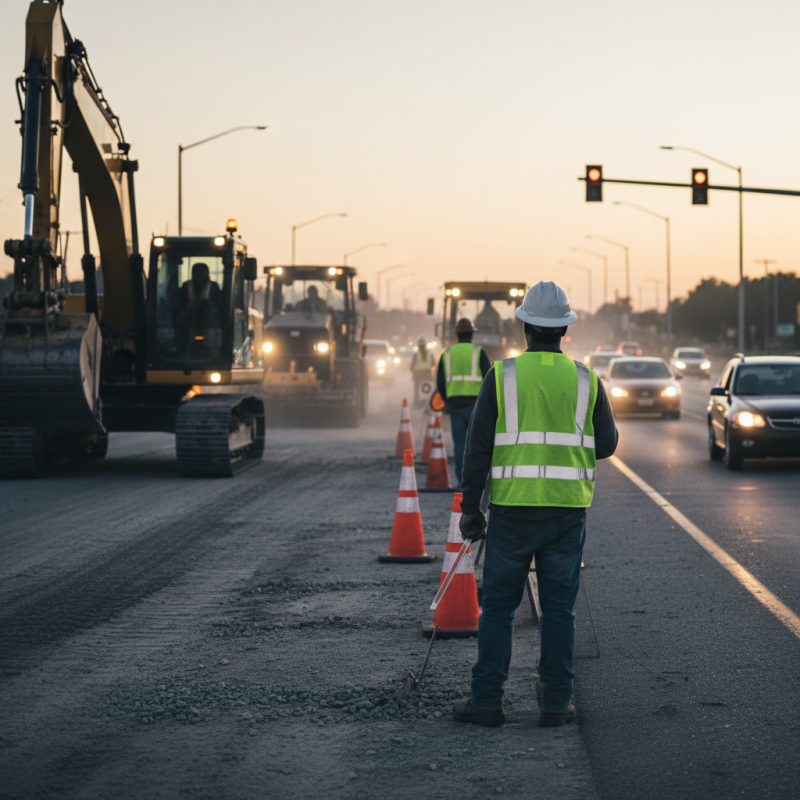
High visibility vests are crucial in various settings, particularly in construction and roadwork zones. Research shows that wearing a high visibility vest can reduce accidents by up to 40%. This is significant for workers who are often near moving vehicles. The bright colors and reflective materials make individuals more visible, especially in low-light conditions.
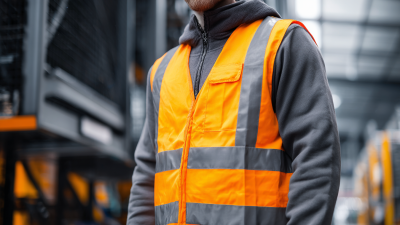
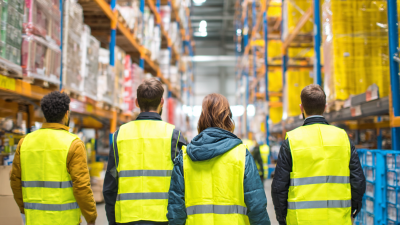
In warehouses and factories, visibility is also vital. A safety report indicated that nearly 17% of workplace injuries occur in areas without sufficient visibility. High visibility vests alert machine operators and personnel of a worker’s presence. They help prevent collisions and ensure a safer environment. However, it’s essential to educate employees on proper vest usage. Merely wearing a vest does not guarantee safety; workers must remain vigilant and aware of their surroundings.
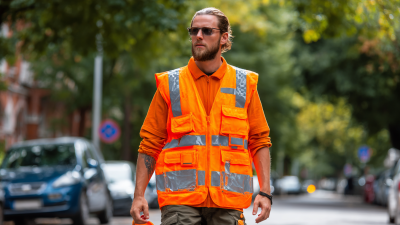
In public spaces, these vests help in managing crowds effectively. Event staff wearing high visibility vests can be easily identified. This instantly builds trust with attendees seeking assistance. Yet, it is worth noting that improper fit or unkempt vests can diminish their effectiveness. Ensuring that vests are clean and fit well is an area for improvement within many organizations.
Why is a High Visibility Vest Important for Safety?
| Setting |
Key Benefits |
Recommended Standards |
Common Usage Scenarios |
| Construction Sites |
Increased visibility to heavy machinery, accident prevention |
ANSI/ISEA 107-2015 Class 2 or 3 |
Roadwork, building areas |
| Road Traffic |
Enhanced visibility for pedestrians and cyclists |
ANSI/ISEA 107-2015 Class 2 |
Traffic control, roadside assistance |
| Emergency Services |
Improved safety during high-risk situations |
NFPA 1971 |
Accident scenes, natural disaster response |
| Event Management |
Identifies staff for quicker assistance |
Not standardized, but often bright colors are recommended |
Concerts, public events |
| Warehouse Operations |
Visibility in busy environments |
ANSI/ISEA 107-2015 Class 2 |
Loading docks, storage areas |
Comparison of Different Types of High Visibility Vests
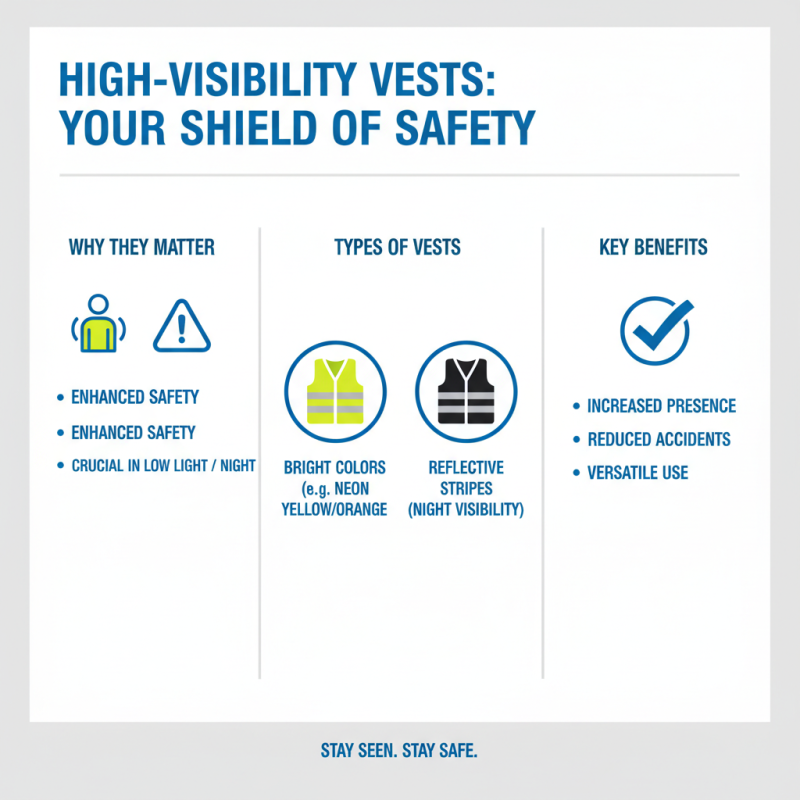
High visibility vests play a crucial role in enhancing safety. Different types serve various needs. Some vests use bright colors, like neon yellow or orange. Others feature reflective strips. This makes them visible at night or in low light.
When choosing a vest, consider the environment. Construction sites require different vests compared to roadwork. In busy areas, extra reflective strips are helpful. You might think all vests are the same, but they are not. Some fabrics are more durable. Others can be lightweight.
Tips: Always check for compliance with safety standards. A vest that doesn’t meet safety guidelines might not protect you. Also, ensure the vest fits well. A poorly fitting vest can hinder your movement. Remember to replace worn-out vests. They lose visibility over time. Safety is paramount, so it pays to invest in quality.
Regulations and Standards Governing High Visibility Vest Usage
High visibility vests are crucial for safety in various environments. Regulations and standards govern their usage to enhance protection. The American National Standards Institute (ANSI) provides guidelines for high visibility apparel. These standards classify vests into different types based on the work environment. For instance, type R is for road use, while type P serves for non-road applications. Compliance with these regulations is vital for ensuring worker safety and reducing accident rates.
A report by the Occupational Safety and Health Administration (OSHA) states that wearing high visibility clothing can lower the risk of accidents by as much as 30%. Many workplaces mandate the use of such vests to ensure compliance with safety standards. It's essential for workers to understand these rules and wear the correct type of vest for their tasks.
Tips: Ensure your vest fits well.
Check for reflective strips for better visibility in low-light conditions.
Always replace vests that show signs of wear and tear.
Inadequate attention to these details can lead to serious safety risks. Many overlook this maintenance, thinking all vests are the same. This mindset can have harmful consequences, especially in high-risk environments.
Best Practices for Wearing and Maintaining High Visibility Vests
High visibility vests play a crucial role in safety, especially in high-risk environments. Wearing one ensures you stand out, especially in low-light conditions. However, simply putting on a vest is not enough. It's essential to understand the best practices for wearing and maintaining these vests to maximize their effectiveness.
When wearing a high visibility vest, ensure it fits well. A loose vest can flap in the wind and reduce visibility. Choose a vest with reflective strips for added safety. It's vital to keep your vest clean and free from dirt and stains. Regular maintenance keeps the fabric bright and the reflective elements functional. If the colors fade, consider replacing it. Reflective strips that are damaged or missing won't do their job.
Remember, visibility is impacted by your surroundings. Check the background. Bright colors may not be effective against certain backgrounds. Also, consider the type of work you’re doing. If you’re near traffic, ensure your vest meets safety codes. It's not just about wearing a vest; it's about being proactive in your safety.