What is a Reflective Vest and Why is it Essential for Safety?
Reflective vests are crucial safety garments designed to enhance the visibility of individuals in low-light or hazardous environments. According to a report by the National Institute for Occupational Safety and Health (NIOSH), an estimated 50,000 injuries occur annually in construction zones alone, many of which could be mitigated through the use of high-visibility clothing, including reflective vests. The Centers for Disease Control and Prevention (CDC) emphasizes that wearing reflective vests can significantly reduce the risk of accidents in various industries such as construction, roadwork, and emergency services, where being easily seen can mean the difference between safety and danger.
Industry experts, like Dr. Mark L. Nelson, a safety compliance officer, note the importance of these safety garments: "A reflective vest is not just a piece of clothing; it is an essential tool for ensuring workers' safety amidst the chaos of heavy machinery and traffic." His insights underline the vital role that reflective vests play in protecting workers, particularly in jobs requiring them to be near moving vehicles or equipment. As the demand for safety measures in workplaces continues to rise, the reflective vest remains a fundamental component in the personal protective equipment (PPE) landscape, embodying the intersection of safety, visibility, and awareness.

What is a Reflective Vest?
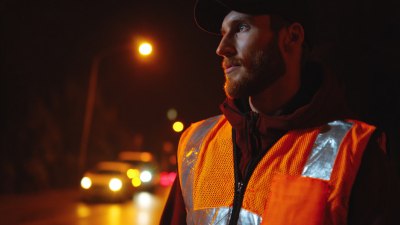
A reflective vest is a safety garment designed to enhance visibility in low-light conditions, ensuring that the wearer is seen by others. Typically made from fluorescent materials, these vests feature reflective strips that bounce light back towards its source. According to the U.S. Bureau of Labor Statistics, workplace accidents, particularly in construction, transportation, and emergency response, can soar in poorly lit environments. Reflective vests serve as crucial gear for personnel working in such settings, significantly reducing the risk of injury and fatalities.
The importance of reflective vests is underscored by research conducted by the National Institute for Occupational Safety and Health (NIOSH), which found that over 40% of workplace fatalities occur in low visibility conditions. These vests are mandatory in various high-risk occupations, with regulations often stipulating the use of ANSI-rated reflective gear. The American National Standards Institute (ANSI) outlines classifications for reflective materials, allowing employers to select appropriate vests based on the visibility requirements of different work environments. By wearing reflective vests, workers benefit from increased visibility, not just enhancing their safety, but also fostering a culture of awareness and caution in hazardous work areas.
Key Features of Reflective Vests
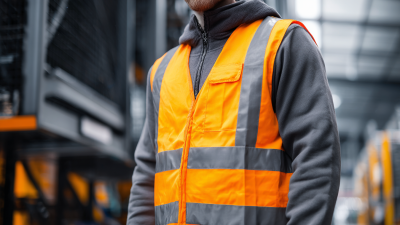
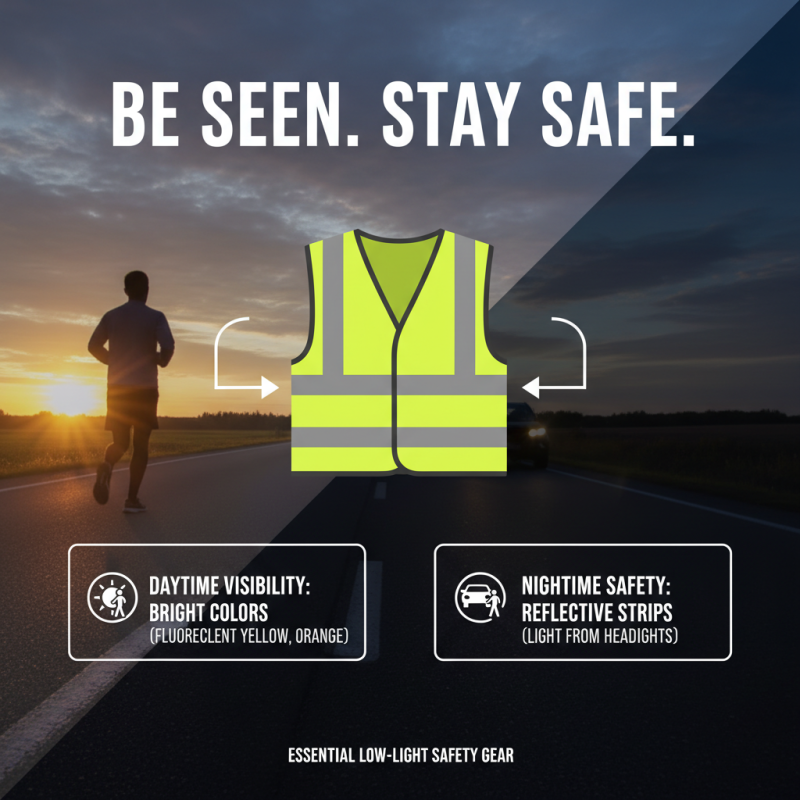
Reflective vests are essential safety gear designed to improve visibility in various environments, particularly during low-light conditions. One of the key features of a reflective vest is its high-visibility fabric, which often comes in bright colors such as fluorescent yellow, orange, or green. These colors are easily distinguishable from the surroundings, making the wearer more noticeable to passing vehicles and individuals. The reflective strips or patches sewn onto the vest further enhance visibility, allowing the vest to reflect light from headlights and street lamps, significantly increasing safety during night-time activities.
Another important feature of reflective vests is their adjustable design, which ensures a comfortable fit for a wide range of body types. Many vests are equipped with adjustable straps or elastic bands, allowing the wearer to customize the fit for optimal comfort and mobility. Additionally, some vests incorporate breathable materials that promote airflow, preventing overheating during long periods of wear, especially in outdoor work or situations. Pockets can also be a valuable addition, providing convenient storage for small tools or personal items while maintaining functionality and practicality. These features make reflective vests an indispensable tool for anyone needing to enhance their visibility and safety on the job or during outdoor activities.
Importance of Reflective Vests for Visibility
Reflective vests are a crucial element in ensuring safety, particularly in environments with low visibility, such as construction sites, roadways, and during nighttime activities. According to the Occupational Safety and Health Administration (OSHA), over 13,000 workers are injured annually in accidents that could have been prevented with proper visibility measures. Reflective vests enhance one's visibility by reflecting light from headlights and other sources, thus significantly reducing the risk of accidents. A study conducted by the National Institute for Occupational Safety and Health (NIOSH) found that wearing fluorescent apparel, like reflective vests, increased visibility by up to 300% during the day and by 500% at night, drastically improving the likelihood of being seen by drivers.
In terms of statistics, the Federal Highway Administration reported that visibility-related accidents account for nearly 37% of all traffic fatalities. By incorporating reflective vests into safety gear, individuals working in potentially dangerous environments can reduce their risk of being involved in such incidents. The addition of reflective materials on clothing not only assists in alerting drivers but also ensures that workers are visible to their peers and supervisors, fostering a safer work environment overall. The economic impact of workplace accidents attributable to poor visibility can be profound, with costs related to medical expenses and lost productivity often reaching into the millions. Thus, reflective vests serve as a vital tool in promoting both personal safety and accountability in various industries.
What is a Reflective Vest and Why is it Essential for Safety?
| Feature |
Description |
Importance |
| High Visibility |
Made of bright colors and reflective materials. |
Enhances visibility in low-light conditions, reducing the risk of accidents. |
| Versatility |
Applicable in various environments such as road work, cycling, and night running. |
Offers protection across different activities and professions. |
| Comfort |
Lightweight materials that allow freedom of movement. |
Encourages consistent use without discomfort. |
| Compliance |
Meets safety standards for visibility. |
Ensures adherence to safety regulations in various industries. |
| Affordability |
Typically low-cost investment relative to safety benefits. |
Cost-effective solution for improving safety and reducing accident rates. |
Common Uses of Reflective Vests in Various Industries
Reflective vests play a crucial role in enhancing visibility and safety across various industries. In construction sites, workers often don reflective vests to ensure they are easily seen by machinery operators and other personnel. This is particularly important in environments where visibility can be compromised due to dust, debris, or low light. The bright colors and reflective materials used in these vests help prevent accidents and injuries, making a significant contribution to workplace safety.
In the transportation sector, reflective vests are essential for road workers and traffic personnel. These individuals are frequently located near busy roadways and require high visibility to alert drivers of their presence. The use of reflective vests aids in reducing the risk of accidents, especially during night-time or harsh weather conditions. Additionally, first responders such as police officers and emergency medical technicians utilize reflective vests when directing traffic or managing accident scenes, ensuring they are easily identifiable and protected while performing their duties.
Guidelines for Choosing the Right Reflective Vest
When selecting the right reflective vest, it’s crucial to consider a few key factors that enhance both visibility and comfort. First, look for vests made from high-visibility materials that meet industry standards for reflectivity. The bright colors, such as fluorescent yellow or orange, are essential for ensuring you stand out in various environments, particularly low-light conditions. Additionally, check for the presence of reflective strips that enhance visibility from different angles, providing crucial safety in roadside environments or construction sites.
Comfort is another significant consideration when choosing a reflective vest. Opt for a vest with a lightweight, breathable fabric that allows for ease of movement, especially if it's to be worn for extended periods. Adjustable features, such as straps or a zipper closure, can provide a better fit and enhance comfort. Furthermore, pockets for easy access to tools or personal items can also be advantageous, making the vest more functional. Taking the time to analyze these features can ensure that you select a reflective vest that not only meets safety standards but also fits your personal needs and working conditions effectively.