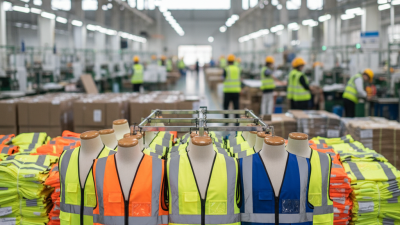
Why Choose a Reflective Vest for Safety and Visibility?
In today's fast-paced world, safety and visibility are paramount, especially for workers on the road. A Reflective Vest is a critical piece of equipment that enhances visibility. Experts agree on its importance. John Smith, a safety gear specialist, states, "Wearing a reflective vest can double your chances of being seen in low-light conditions."
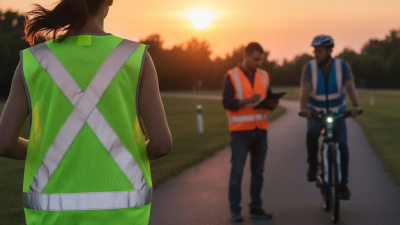
Reflective Vests come in various designs and materials, catering to different work environments. Their bright colors and reflective strips make them indispensable for construction workers, cyclists, and emergency responders. However, not all vests are created equal. Some may lack sufficient visibility or comfort, leading to wearers taking them off, which negates the safety benefits.
The importance of a Reflective Vest cannot be underestimated. Often, people overlook the simple act of wearing one. Safety compliance should never be a secondary thought. Everyone should prioritize visibility in potentially hazardous situations. While it may seem like a small detail, wearing a Reflective Vest can significantly impact road safety.
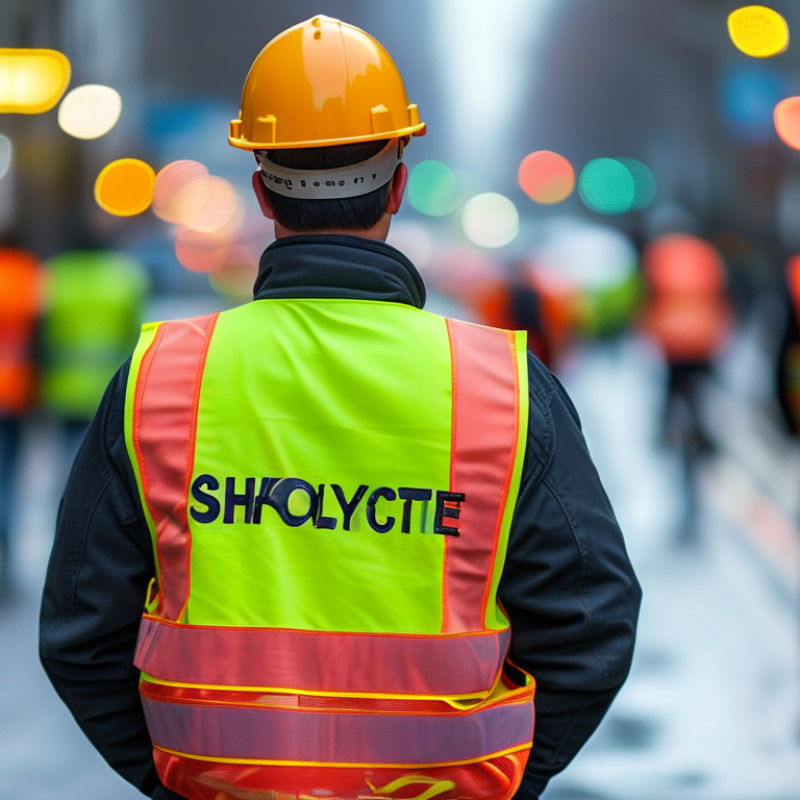
Benefits of Wearing a Reflective Vest for Enhanced Safety
Wearing a reflective vest significantly enhances safety, especially in low-visibility conditions. Reflective materials bounce light from headlights and streetlamps. This increases your visibility to drivers, cyclists, and other pedestrians. For those who are often outdoors, the extra visibility can be a lifesaver.
Consider different types of reflective vests. Some offer breathable fabrics or additional pockets. Choosing one that fits comfortably can make wearing it more pleasant. If the vest is too loose or tight, it might hinder movement. Always opt for a vest that allows for freedom of motion.
Tips: Ensure the vest is bright. The more vivid the color, the better. Choose a vest with reflective strips positioned strategically. This maximizes the area that catches light. While purchasing, check for certifications to ensure quality. Not all vests are created equal; some may lack proper reflective properties. Selecting the right vest can make a notable difference in your safety measures.
Key Features of Reflective Vests That Improve Visibility
When it comes to safety and visibility, reflective vests are essential. Their bright colors and reflective materials make them stand out. This is crucial for anyone working or exercising in low-light environments. The key features that improve visibility include high-visibility colors like neon yellow or orange. These colors easily catch the eye, even from a distance.
Reflective strips are another important feature. These strips reflect light, making the wearer visible after dark. They are typically placed in strategic locations on the vest. This increases the chance of being seen by drivers or others nearby. The more reflective areas, the better the visibility. It’s important to choose a vest that has a good coverage of these reflective elements.
Tips: Always check the fit of the vest. A loose vest may not sit properly and could reduce visibility. Additionally, consider the fabric. Lightweight and breathable materials are ideal for comfort, especially in warmer weather. Keeping the vest clean is also crucial. A dirty vest may lose its reflective quality. Regular maintenance ensures maximum safety and effectiveness.
Different Types of Reflective Vests and Their Suitable Uses
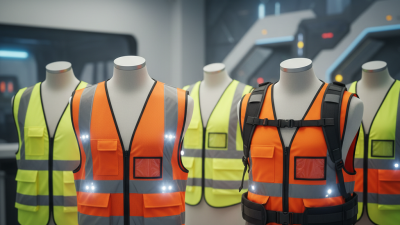
When it comes to safety and visibility, choosing the right reflective vest is crucial. There are many types available, each designed for specific situations. Safety vests used in construction sites are usually bright orange or yellow. They often feature large reflective strips to enhance visibility. These vests ensure that workers are easily seen, even in low light conditions.
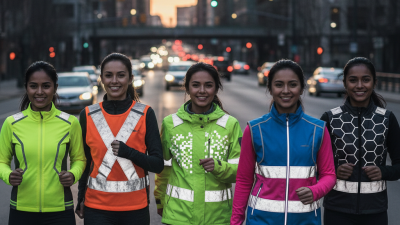
Cyclists and joggers benefit from lightweight vests that are designed for comfort. These vests often have a slim fit, allowing for ease of movement. Some include pockets for essentials like keys or small tools. Reflective running gear can be lighter, but visibility remains a priority.
Emergency responders wear high-visibility vests as well. These are often bright red or lime green, helping them stand out in chaotic environments. However, some may find these vests overly bulky. An ill-fitting vest can decrease mobility, which is essential in emergencies. Finding the right balance of visibility and comfort is key for effective use.
Regulations and Standards for Reflective Vests in Various Environments
Reflective vests are essential in various environments, ensuring safety and visibility. Regulations differ based on the setting, which can impact their design and use. In construction zones, for instance, workers must wear vests that meet specific ANSI standards. These vests are often bright colors with reflective strips to enhance visibility in low-light conditions.
In road maintenance, guidelines require vests to have a certain degree of reflectiveness. The goal is to protect workers from moving vehicles. However, not all vests comply with these strict regulations. Some may look adequate but lack necessary reflective properties. This inconsistency is concerning. It highlights the importance of choosing vests certified and tested by recognized authorities.
In outdoor sports or cycling, safety guidelines also emphasize wearing reflective clothing. However, many enthusiasts overlook these rules. They prioritize fashion over function. This choice can jeopardize their safety, especially during dawn or dusk. Understanding regulations and standards can lead to better choices. Reflective vests shouldn't just be about compliance; they must genuinely enhance the wearer's visibility.
Tips for Choosing the Right Reflective Vest for Your Needs
When selecting a reflective vest, consider the environment where you will use it. Different situations may require varying levels of visibility. For roadwork, bright colors and wide reflective strips are essential. If you plan to jog or bike, lightweight and comfortable materials are more important.
The fit of the vest is crucial. A loose vest can flap in the wind, reducing visibility. It may also snag on objects. Opt for sizes that allow for movement without being oversized. Adjustable straps can enhance fit and comfort, making it easier to wear over other clothing as the weather changes.
Consider additional features that enhance safety. Pockets for carrying essentials can be useful. Some vests come with built-in lights for extra visibility during nighttime activities. Reflective material should meet safety standards for better peace of mind. Finally, remember that your choice reflects your personal safety priorities. Regularly reassess your vest's condition to ensure it remains effective.