Why Reflective Vests Are Essential for Your Safety?
In today’s fast-paced world, safety is paramount. Reflective vests have become essential gear for those working or exercising outdoors. Industry expert Dr. Emily Davis emphasizes, “Wearing a reflective vest can dramatically reduce accidents.” This simple garment enhances visibility, especially in low-light conditions, protecting lives.
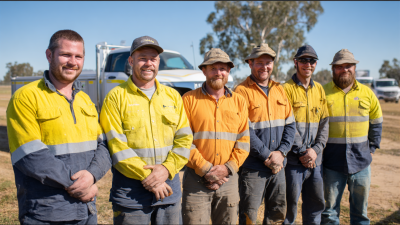
Many underestimate the power of a reflective vest. They may view it as just another piece of clothing, but its benefits are profound. Imagine a construction worker on a busy highway, a jogger during dusk, or a cyclist at night. The glow of reflective material can be the difference between safety and tragedy. In a moment, visibility can prevent accidents.
Yet, people often forget to wear them. It’s easy to overlook something so small. This oversight can lead to severe consequences. Therefore, making reflective vests a part of your daily routine is crucial. By choosing to wear this simple accessory, you advocate for your safety and well-being.
Importance of Visibility in Various Environments
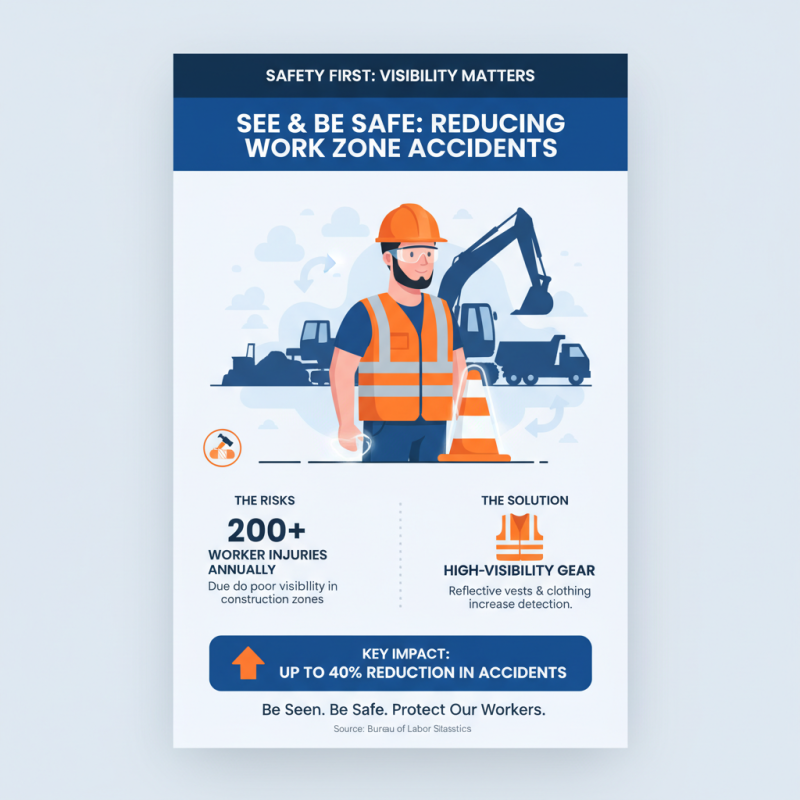
Visibility plays a crucial role in ensuring safety across various environments. In construction zones, workers are often at risk due to traffic and heavy machinery. According to a report by the Bureau of Labor Statistics, over 200 workers are injured annually in work zones due to visibility issues. High-visibility items, like reflective vests, can reduce these accidents significantly.
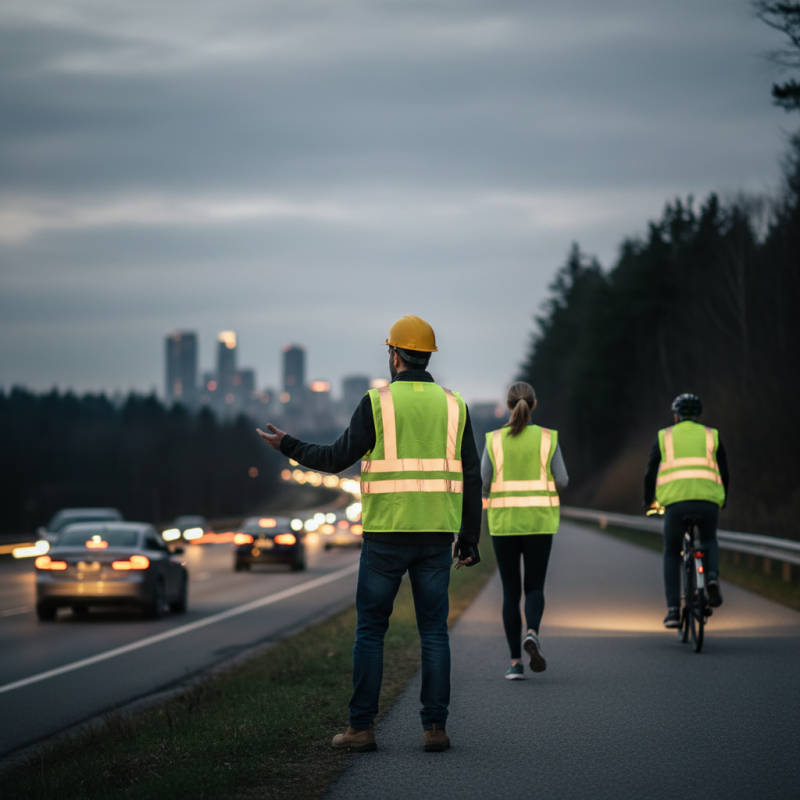
In outdoor scenarios or low-light conditions, such as roadways, visibility becomes even more critical. A study revealed that 25% of pedestrian accidents occur in poorly lit areas. Reflective gear enhances the visibility of individuals to drivers, especially at night. This enhancement increases awareness and, ultimately, safety. Yet, many refuse to wear these essential items, believing that accidents won’t happen to them. This mindset can be dangerous.
Furthermore, visibility isn’t limited to construction or road environments. Workers in warehouses face similar risks. A National Safety Council report indicates that 30% of warehouse incidents involve improper visibility. Reflective vests, while simple, foster a culture of safety that must be prioritized. Much of the responsibility lies with individuals to acknowledge the risks and use safety gear consistently.
Types of Reflective Vests and Their Features
When it comes to safety, reflective vests play a critical role. These vests come in various types, each designed for specific environments and purposes. For instance, some vests feature a high visibility neon color, which allows you to stand out during the day. Others are simply reflective, shining brightly at night when light hits them.
The choice of material also matters. Some vests have waterproof fabrics, providing more durability in various weather conditions.
Additionally, other features enhance their functionality. Some vests include pockets for storing small items. Others have additional straps for a better fit, ensuring that the vest stays in place. It’s worth noting that not all reflective vests are created equal. Some may not reflect light effectively. Choosing the right one requires understanding its intended use.
In many scenarios, experiencing a close call while wearing a low-quality vest can be alarming. Such moments can lead to reflections on one's safety practices. It’s easy to overlook the importance of a reliable vest. Yet, when you find yourself in dangerous situations, the right vest can make a significant difference.
This is why being informed about different types of reflective vests is essential. Reflect on what vest works best for your needs.
Key Regulations for Reflective Vest Usage
Reflective vests play a crucial role in safety, especially for workers on the road. Key regulations often require their usage in various situations. For example, construction zones mandate high-visibility gear to enhance safety. In many areas, workers must wear these vests during dusk or low-light conditions. This rule aims to prevent accidents caused by poor visibility.
When wearing a reflective vest, choose the right size. A vest that is too loose can be a hazard. It may get caught on objects or restrict movement. A snug fit ensures that you remain visible without sacrificing comfort. Check the vest for proper labels. Legitimate vests should meet specific standards. Look for certifications indicating they comply with safety regulations.
Tips: Make it a habit to inspect your gear regularly. Vests can wear out or become less effective over time. Replace any torn or faded vests promptly. Additionally, consider the color of your vest. Neon colors like yellow or orange are most effective because they stand out in various environments. Ensuring that your reflective vest meets local regulations can significantly enhance your safety while working or walking near traffic.
Best Practices for Wearing Reflective Vests Safely
Wearing reflective vests is vital for safety, especially in low-light conditions. According to the National Safety Council, about 50% of pedestrian fatalities occur at night. Reflective materials help increase visibility, making workers and cyclists stand out. It’s not just about wearing the vest; it encompasses how you wear it too.
A key practice is to ensure the vest fits properly. Loose vests can flap during movement, decreasing visibility. The color matters too. Bright colors in daylight enhance visibility, while reflective strips work best at night. Make sure the vest is clean, as dirt can diminish its reflective properties. Studies indicate that a well-maintained vest is 39% more effective in night visibility.
Placement is crucial. The vest should cover the torso, with reflective strips positioned at eye level. Avoid placing items over the vest. Many overlook visibility from behind; reflective vests should also feature back visibility. The CDC reports that improving visibility reduces accident risk by 25%. Small adjustments can make a big difference in safety awareness.
Why Reflective Vests Are Essential for Your Safety
Impact of Reflective Gear on Accident Prevention
Reflective gear plays a crucial role in enhancing safety on the road. According to the NHTSA, more than
20,000 pedestrians are injured each year due to low visibility.
The absence of reflective vests or gear significantly increases the risk of accidents in poorly lit environments.
Visibility is a key factor in preventing these tragic incidents.
When workers wear reflective vests, visibility improves dramatically. Studies show that reflective clothing can
increase visibility by up to 300%. Think about road construction sites and the men and women working there.
In such environments, the difference between life and death can be the mere glow of a vest. However, the critical
importance of reflective gear often goes overlooked, sometimes leading to tragic consequences.
Not everyone adheres to wearing reflective clothing. Even among those who do, many don’t wear it properly. This misuse can
reduce its effectiveness. It's essential to understand that simply having reflective gear is not enough.
Wearing it correctly and consistently can mean the difference between safety and a preventable accident.
Proper education about its importance is often lacking. More awareness can save lives.