What is a Safety Jacket and Why is it Essential for Protection?
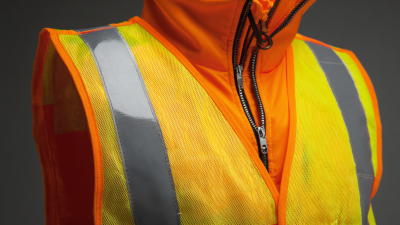
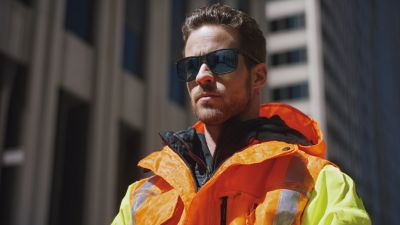
A safety jacket is a vital piece of personal protective equipment. It shields workers from potential hazards in various environments. Whether on a construction site or in a manufacturing plant, the visibility it provides is crucial. A bright, reflective safety jacket increases awareness, helping prevent accidents.
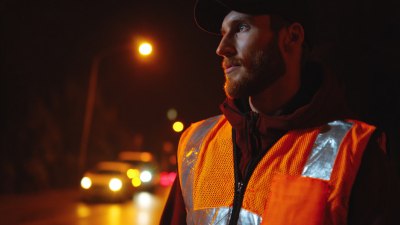
Wearing a safety jacket can make a difference. In poor visibility conditions, it stands out. Workers become easily identifiable, reducing risks in busy areas. However, not all jackets are created equal. Some may lack necessary features like proper fit or adequate reflectivity. This can leave users feeling vulnerable.
Safety jackets are more than just garments. They symbolize a commitment to safety. They remind us that protection should never be overlooked. Reflecting on their effectiveness is essential. Are we choosing the right safety jackets for our environments? Continuous improvement in safety gear is vital for all industries.
What is a Safety Jacket and Its Purpose in Occupational Safety?
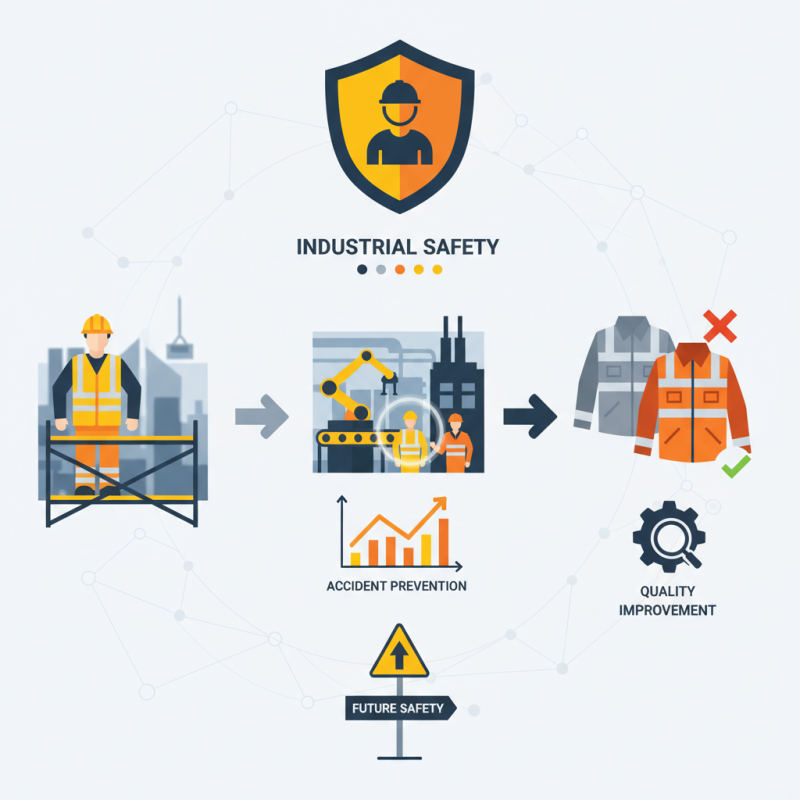
A safety jacket is crucial in various working environments, especially those involving heavy machinery and hazardous conditions. According to a report from the Bureau of Labor Statistics, around 300,000 workplace injuries occur annually due to lack of proper gear. These jackets serve multiple purposes, including visibility and protection against environmental elements. They are often brightly colored or feature reflective strips, enhancing worker visibility in low-light situations.
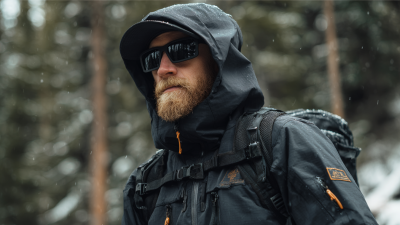
The purpose of a safety jacket extends beyond just being seen. It also provides insulation and protection from various harsh weather conditions. Research indicates that proper protective gear can lower the risk of injury by 70%. However, many workers still neglect to wear safety jackets. This oversight raises questions about safety culture in the workplace. Is it complacency, or are various factors at play, such as comfort and fit?
Safety jackets come in various styles, tailored to different industries. Yet, a poorly fitted jacket can hinder mobility, impacting a worker’s efficiency. There is also a growing concern about the standards that govern these jackets. Are they truly effective? Continuous evaluations and updates are necessary. Industry standards must evolve alongside technology to ensure maximum worker safety.
Key Features of Safety Jackets: Materials and Design Considerations
Safety jackets play a crucial role in various industries, protecting workers from environmental hazards. Their effectiveness largely depends on the materials and design considerations used in manufacturing. High-visibility fabrics are essential, enabling workers to be seen in low-light conditions. According to a report by the Bureau of Labor Statistics, visibility in construction zones reduces accidents by up to 50%.
When selecting a safety jacket, consider the breathability and waterproof features. Materials like polyester or nylon often provide comfort while repelling water. A study conducted by the International Safety Equipment Association emphasized that incorporating reflective strips can increase awareness of workers' presence at night. The design should allow for layering, accommodating the need for warmth without sacrificing mobility.
Tip: Always check for certifications that ensure the jacket meets safety standards. A good safety jacket should not only protect but also allow freedom of movement. Choosing the wrong size can lead to discomfort and decreased efficiency.
Additionally, never underestimate the importance of regular inspections. Wear and tear can compromise the jacket's protective capabilities. Even minor damages should not be ignored. Reflecting on these factors can greatly enhance workplace safety.
Industry Standards for Safety Jackets: Compliance and Certification Requirements
Safety jackets play a crucial role in ensuring worker safety across various industries. Compliance with industry standards is essential for their effectiveness. Organizations must meet the specified regulations to protect their workforce adequately. For example, the ANSI/ISEA 107 standard outlines necessary performance criteria for high visibility safety apparel. This standard helps ensure visibility in low light conditions. It is a guideline that saves lives.
Certification requirements add another layer of safety. The European EN 471 standard, for instance, also emphasizes reflective materials and fluorescent colors. These features enhance visibility in hazardous environments. Recent reports indicate that visibility-related accidents account for over 30% of workplace incidents. This statistic highlights the importance of stringent compliance with safety jacket standards.
Despite these standards, some organizations struggle with proper implementation. Reports suggest that nearly 25% of businesses do not conduct regular safety audits. This oversight can lead to significant risks. The necessity for ongoing training and awareness is critical. A safety jacket is only as effective as the conditions under which it is used. The continuous evaluation of adherence to guidelines ensures that safety remains a top priority.
What is a Safety Jacket and Why is it Essential for Protection? - Industry Standards for Safety Jackets: Compliance and Certification Requirements
| Aspect |
Description |
| Material |
High-visibility fabrics like polyester or nylon, often waterproof or water-resistant. |
| Color |
Typically fluorescent colors such as orange, yellow, or green to enhance visibility. |
| Reflective Strips |
Includes reflective material for increased visibility in low-light conditions. |
| Certification Standards |
Must comply with ANSI/ISEA 107 and other relevant safety regulations. |
| Usage Applications |
Construction sites, road work zones, emergency response, and other hazardous environments. |
| Maintenance |
Regular cleaning and inspection for wear and tear to maintain effectiveness. |
Statistics on Workplace Accidents and the Role of Safety Jackets
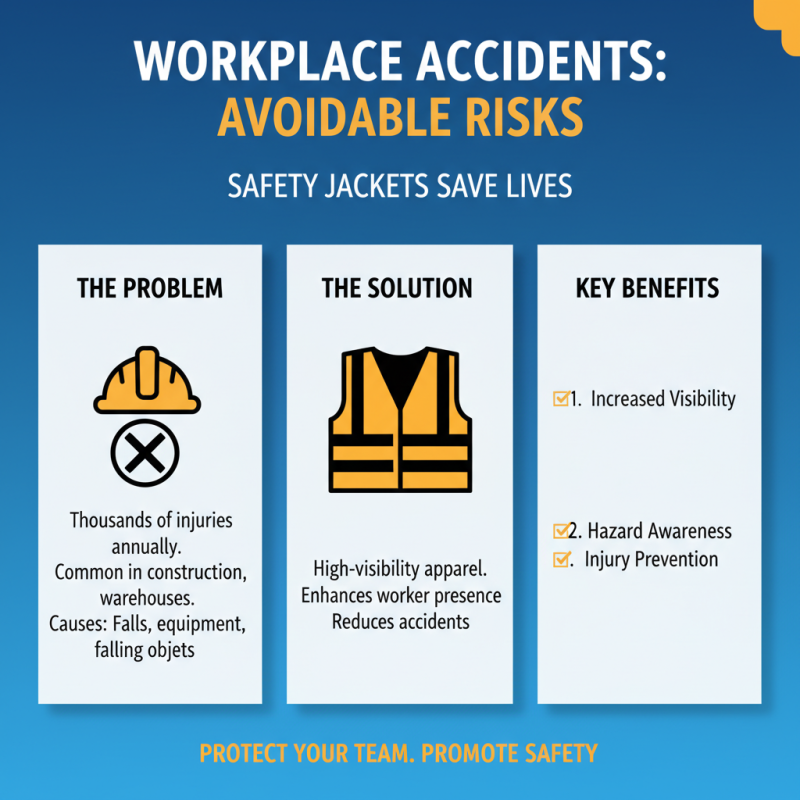
Workplace accidents are alarmingly common. Statistics reveal that thousands of injuries occur annually in various sectors. Construction sites, factories, and warehouses often report high rates of incidents. These injuries could be from falls, equipment mishaps, or being struck by objects. Safety jackets play a pivotal role in mitigating these risks.
A safety jacket is more than just a piece of clothing. It enhances visibility, particularly in high-risk areas. Bright colors and reflective materials help workers be seen, especially in low-light conditions. This simple addition can prevent accidents. It’s striking how often workers overlook this basic protection. Some might argue a safety jacket feels cumbersome or unnecessary. Yet, considering the statistics, this mindset is puzzling.
Implementing safety jackets can drastically reduce accident rates. When workers wear them consistently, they create a culture of safety. Each individual contributes to a safer environment. However, the challenge lies in changing perceptions. Many still hold outdated views on safety gear. Recognizing the value of a safety jacket is crucial. Without it, we risk overlooking a key element of workplace safety.
Best Practices for Choosing and Maintaining Safety Jackets in Various Environments
Choosing the right safety jacket is crucial for ensuring worker protection across different environments. Safety jackets should meet specific industry standards. According to the Occupational Safety and Health Administration (OSHA), visibility is key in high-risk areas. ANSI/ISEA 107 sets guidelines for high-visibility apparel, ensuring workers can be seen in various conditions. Wearing a jacket that fails to meet these standards can lead to accidents.
Maintenance is equally essential. Regular inspections help identify wear, tear, or damage. A report by the National Safety Council highlights that up to 80% of workplace injuries can be mitigated with proper gear maintenance. Safety jackets should be cleaned regularly to maintain their reflective properties. Faded jackets may not provide the necessary visibility.
Moreover, jackets should be selected based on the specific environment. For cold weather, insulation and waterproof materials are vital. In contrast, breathable fabrics are better for warm climates. Remember, poor-fitting jackets can hinder movement, increasing the risk of injury. It’s worth reflecting on how choices directly impact safety outcomes in the field. Each detail matters.