Top Tips for Choosing Hi Vis Shirts for Your Business?
In the bustling world of safety apparel, choosing the right Hi Vis Shirts is crucial for any business. Industry expert John Smith emphasizes, “Visibility is key to safety; the right Hi Vis Shirts can save lives.” Selecting these shirts involves more than just color or size. It requires understanding materials, comfort, and compliance with safety standards.
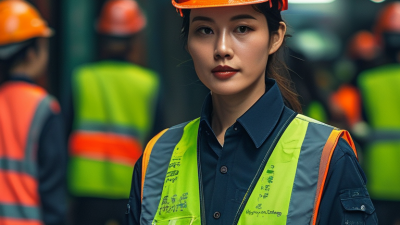
When considering Hi Vis Shirts, think about the environments your team works in. Different jobs may expose workers to varying levels of danger. The right shirt can enhance safety while allowing for mobility. Look for options with reflective strips and breathable fabrics. These features can make a significant difference in visibility and comfort.
It’s easy to overlook the importance of quality. Cheap options may seem appealing. However, they often compromise safety and durability. Reflect on past experiences with hi vis apparel. Has your team faced issues with lower-quality shirts? Taking time to choose wisely can lead to better experiences and, ultimately, a safer workplace.
Understanding the Importance of Hi Vis Shirts in Workplace Safety
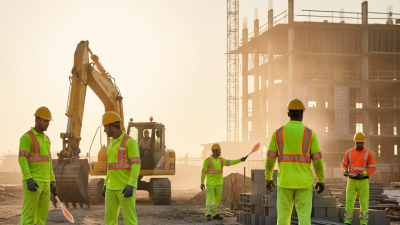
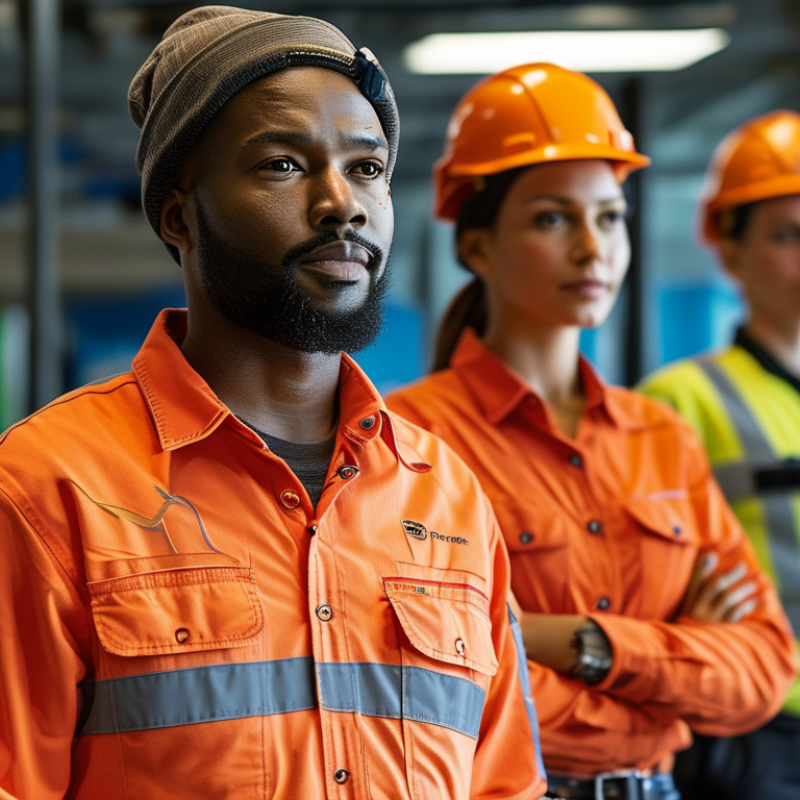
Hi vis shirts play a crucial role in workplace safety, especially in high-risk environments. These garments enhance visibility, reducing the risk of accidents. Workers clad in bright colors are easier to spot, especially in low-light conditions. This simple yet effective measure can make a significant difference in preventing incidents on site.
Employers often overlook the importance of quality when selecting hi vis shirts. Poorly made shirts might fade or tear, losing their visibility and reliability. The fabric should be durable and the reflective strips must meet safety standards. Yet, many companies compromise on these aspects to save costs. This can ultimately lead to safety hazards.
It's essential to regularly assess the effectiveness of your hi vis clothing. If employees report discomfort or if shirts wear out quickly, it's time to reevaluate your choices. Safety gear should not only be visible but also comfortable to ensure it is worn consistently. Investing in proper hi vis shirts can promote a safer workplace and guard against potential mishaps.
Importance of Hi Vis Shirts in Workplace Safety
Key Features to Look for in Hi Vis Shirts for Your Business
When selecting hi vis shirts for your business, comfort is key. Employees need to wear their gear throughout the day. Look for shirts made from breathable materials. Fabrics like polyester and cotton blends can keep workers cool. Ensure that the fit allows for easy movement. A well-fitted shirt enhances productivity. Avoid overly loose or tight options, as they can be distracting.
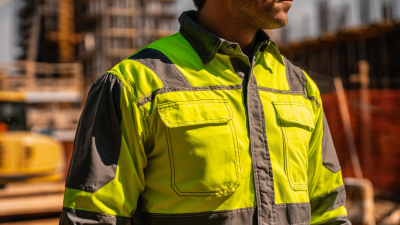
Visibility is another critical factor. Choose shirts with reflective strips. These strips should be strategically placed to ensure maximum visibility in low-light conditions. Bright colors are essential too. Yellow and orange are commonly used shades that help workers stand out. It's important to check compliance with local safety regulations. Meeting these standards not only keeps employees safe but also protects your business from liability.
Consider print quality if custom branding is essential. Logos and text should be clear and durable, even after several washes. Low-quality prints may fade or peel, which may reflect poorly on your business. Additionally, pay attention to care instructions. Shirts that require special handling can be inconvenient, particularly for larger teams. Choose options that are easy to maintain while retaining their visibility and professional appearance.
Types of Hi Vis Shirts: Short Sleeve, Long Sleeve, and More
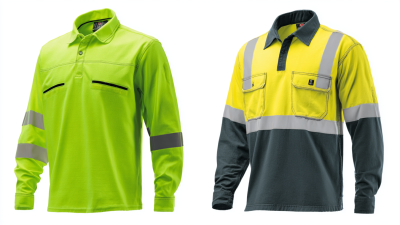
When selecting hi vis shirts, consider the variety of styles available. Short sleeve shirts are excellent for warmer environments. They provide breathability while still ensuring visibility. Many workers appreciate the comfort these shirts offer during hot summer days. However, workers in colder regions may find short sleeves less suitable.
Long sleeve shirts offer additional protection. They shield against the sun and potential hazards. Long sleeves can also create a layer of warmth. This type can be particularly useful in industries like construction or logistics. Aim for shirts that feature moisture-wicking fabric to enhance comfort during long hours.
There are also options like polo shirts and vests. These can blend professionalism with safety. Some employees may prefer the look of a polo over a traditional t-shirt. Vests allow for more freedom of movement too. It's essential to reflect on these choices. What suits one business may not fit another. Employees should have input on their workwear for maximum satisfaction.
Choosing the Right Fabric and Comfort Level for Hi Vis Shirts
Choosing the right fabric for hi vis shirts is crucial for comfort and functionality. The right material can make a significant difference on the job. For outdoor work, lightweight polyester blends are favorable. They provide breathability, allowing sweat to evaporate. Cotton, while soft, may not perform well in wet conditions, which could lead to discomfort.
Comfort level is another key factor. A shirt that fits well will enhance productivity. Look for features like moisture-wicking properties and stretch materials. These allow for better movement and flexibility throughout the day. Consider the climate as well. Breathable fabrics are essential in hot weather, while thicker materials might be better suited for cooler environments.
Reflective strips enhance visibility but can affect comfort. Sometimes, they can irritate the skin. It’s important to test different combinations. Not every option will work perfectly for every person. Some may find certain fabrics too rough or hot. Listening to feedback from your team is vital. This will help in making an informed choice for everyone involved.
Compliance with Safety Standards: What You Need to Know
Compliance with safety standards is a critical factor when selecting hi vis shirts for any business. Proper high visibility clothing ensures that workers remain visible in hazardous environments. According to the Occupational Safety and Health Administration (OSHA), around 20% of workplace fatalities involve workers who are struck by vehicles. Ensuring visibility reduces these risks significantly.
Employers must understand the relevant safety standards, such as those set by the American National Standards Institute (ANSI). ANSI/ISEA 107 specifies the required visibility levels for different job situations. Shirts labeled as Class 2 or Class 3 provide higher visibility. Class 3 shirts are often needed for high-risk areas. Opting for shirts that meet ANSI standards is essential.
It's important to recognize that style and comfort matter too. While fluorescent colors and reflective strips are crucial, the specific design should also fit the work environment. Some shirts may not be breathable enough for hot conditions, which could lead to discomfort and lower productivity. Additionally, high-quality fabric can withstand multiple washes without losing visibility. Striking the right balance is sometimes challenging, yet it’s key to maintaining safety and worker morale.