Essential Tips for Choosing the Right Safety Vest?
When selecting the right safety vest, it’s crucial to prioritize quality and visibility. According to a report by the Occupational Safety and Health Administration (OSHA), inappropriate safety gear increases accident risks by 30%. In industries like construction and road maintenance, a proper "A Safety Vest" can mean the difference between safety and serious injury.
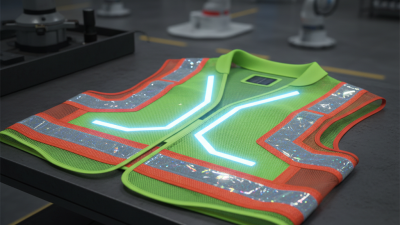
John Smith, a renowned safety equipment expert, emphasizes, "Choosing the right safety vest is essential for protecting lives on job sites." His insights reflect the industry's need for reliable protective gear. Safety vests should meet ANSI standards to ensure workers' visibility. Bright colors and reflective strips are key features for enhancing safety in low-light conditions.
It’s easy to overlook the importance of fit and comfort. An ill-fitting vest can hinder movement, leading to potential accidents. Workers should try different styles to find the best fit. Thoughtful selection of a safety vest not only adheres to regulations, but also fosters a culture of safety within the workplace.
Understanding the Importance of Safety Vests in Various Industries
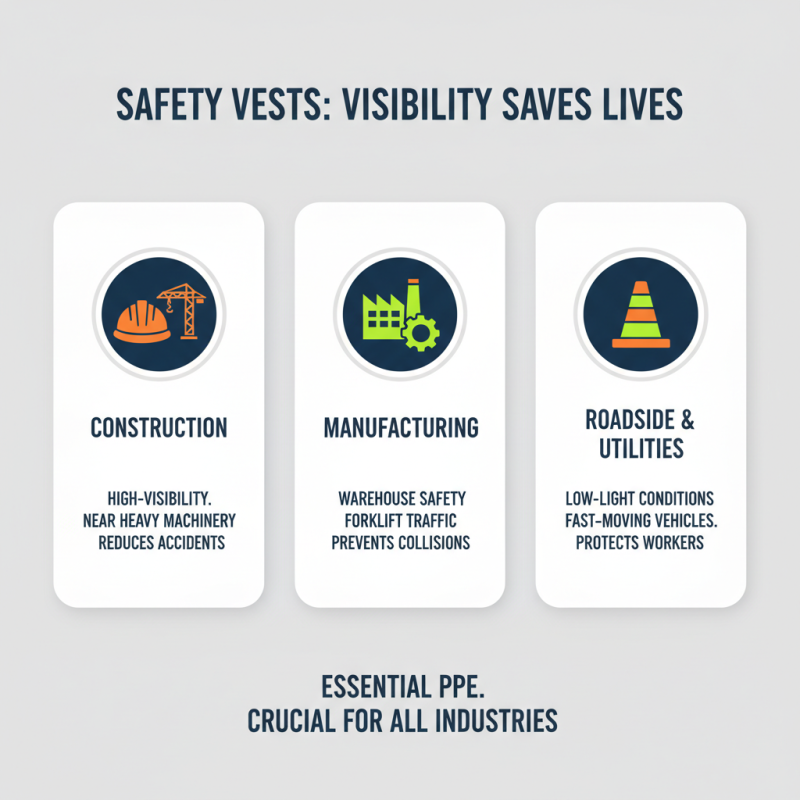
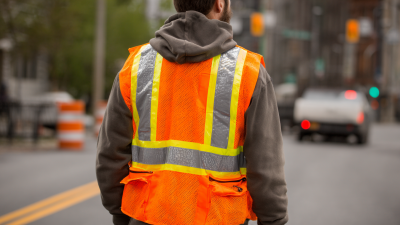
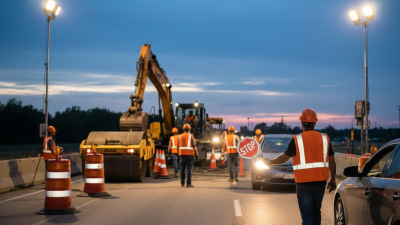
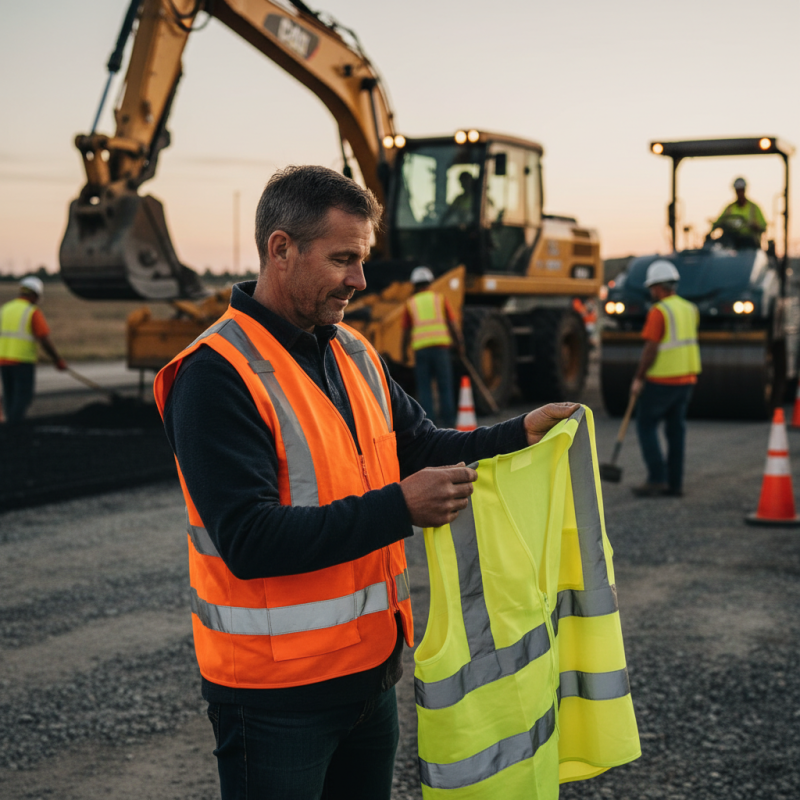
Safety vests play a crucial role in workplaces across various sectors. In construction, bright-colored vests enhance visibility. Workers often operate near heavy machinery and fast-moving vehicles. This visibility reduces the risk of accidents significantly. The need for safety is undeniable. Having the right attire can mean the difference between life and death.
In industries like roadwork and emergency response, safety vests are equally essential. They are designed to meet specific standards. These often include reflective strips that enhance visibility in low-light conditions. Despite this, not every vest on the market meets these requirements. It’s vital to choose vests certified for your specific industry needs. Missing this step can lead to unforeseen hazards.
The comfort and fit of a safety vest should not be overlooked. A poorly fitting vest may inhibit movement. This can distract workers from their tasks. It’s important to consider mobility and breathability. Reflection and visibility should blend with comfort. Each workplace is unique, and so are its dangers. When selecting a safety vest, proper research is essential.
Key Standards and Regulations Governing Safety Vest Usage
When selecting safety vests, understanding key standards and regulations is vital. The American National Standards Institute (ANSI) sets guidelines that ensure visibility in hazardous environments. For instance, ANSI/ISEA 107 is a standard that describes the performance requirements for high-visibility apparel. According to a report by the National Institute for Occupational Safety and Health (NIOSH), wearing properly rated safety vests can reduce the risk of accidents by over 50%.
Tips for choosing the right safety vest include assessing the work environment. A vest with a higher visibility rating is essential in areas with low light. It’s also critical to select a vest that meets the appropriate class rating. Class 1 is for low-risk situations, while Class 3 provides the highest visibility for complex environments.
Regulations vary by region and industry. The Occupational Safety and Health Administration (OSHA) mandates that construction workers wear high-visibility clothing. However, there can be inconsistencies in enforcement. Some employers overlook proper compliance, leading to potential safety risks. Always verify that your vest meets local safety requirements. It’s better to err on the side of caution.
Essential Tips for Choosing the Right Safety Vest
Selecting the Right Materials for Optimal Visibility and Durability
When choosing the right safety vest, material selection is crucial for both visibility and durability. Bright, reflective materials enhance visibility in various lighting conditions. Look for fabrics that meet safety standards, providing assurance that they offer the necessary protection. The threads and stitching should also be robust to withstand wear and tear.
Many options are available, such as polyester and mesh. Polyester offers durability, while mesh provides breathability on hot days. Balancing these features can be challenging. Sometimes a vest that’s breathable might not be as durable. Checking for reinforced seams can help indicate better quality.
It's also important to consider how the vest feels during wear. An uncomfortable vest can lead to distraction, impacting safety. Pay attention to fit and make sure it's not too loose or tight. Thoughtful selection takes time, and reflecting on your needs is essential. The right safety vest should offer comfort and ensure you are seen, enhancing your safety in any environment.
Essential Tips for Choosing the Right Safety Vest
| Material |
Visibility Level |
Durability Rating |
Breathability |
Price Range (USD) |
| Polyester |
High |
Medium |
Good |
$10 - $20 |
| Nylon |
Very High |
High |
Excellent |
$15 - $30 |
| Cotton Blend |
Medium |
Medium |
Fair |
$8 - $15 |
| Mesh |
High |
Low |
Excellent |
$5 - $12 |
| Reflective Fabric |
Very High |
Medium |
Good |
$20 - $40 |
Analyzing Different Safety Vest Classes and Their Applications
When selecting a safety vest, understanding the different classes can greatly impact worker safety. Safety vests are categorized into three classes based on their visibility and the environments in which they are used.
Class 1 vests are suitable for low-risk environments where workers may be near moving vehicles. These vests offer minimal visibility and are ideal for areas like warehouses. However, relying solely on them can be risky, especially in busy settings.
Class 2 vests are more versatile. They provide higher visibility and are recommended for workers in moderate-risk areas, such as road construction zones. According to the U.S. Occupational Safety and Health Administration (OSHA), workers in these environments are at a greater risk of accidents. Implementing Class 2 vests can reduce accident rates significantly, but they must be maintained to ensure their effectiveness.
Class 3 vests offer the highest level of visibility, suitable for high-risk situations like highway construction. These vests feature reflective stripes and bright colors. A report from the National Institute for Occupational Safety and Health (NIOSH) indicates that wearing Class 3 gear can lower the incidence of traffic-related injuries by up to 40%. Neglecting the appropriate class can lead to dangerous situations where visibility is compromised. Each class serves a purpose, but improper choices highlight the need for ongoing evaluation of safety practices.
Evaluating Fit and Comfort for Enhanced Worker Compliance
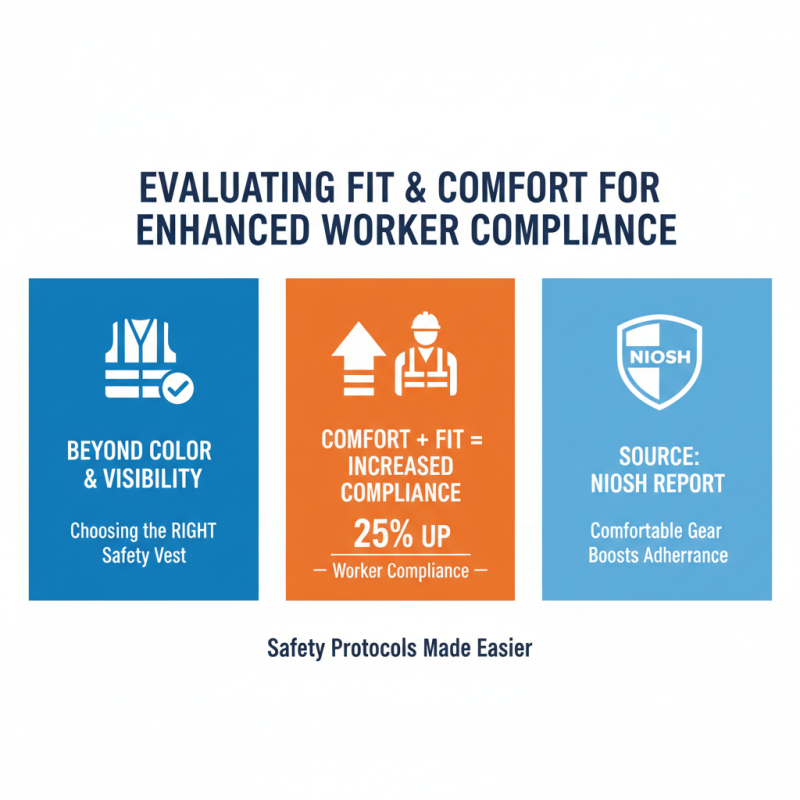
Choosing the right safety vest goes beyond color and visibility. Comfort and fit play a crucial role in ensuring adherence to safety protocols. According to a report by the National Institute for Occupational Safety and Health (NIOSH), worker compliance increases significantly, nearly 25%, when safety gear is comfortable.
A well-fitted safety vest allows for freedom of movement. When workers can bend and stretch easily, they are less likely to remove their gear. In contrast, poorly fitting vests can lead to discomfort. Workers might find them too tight or too loose, leading to distractions. This can ultimately undermine safety efforts. A 2019 study found that 40% of workers reported discomfort as a reason for non-compliance.
Materials matter too. Breathable fabrics help regulate body temperature. Vests made with moisture-wicking technology can improve comfort in hot conditions. A survey indicated that 35% of workers feel more motivated to wear safety vests that fit well and keep them cool. Metrics like these show that comfort and fit directly correlate with workplace safety.