Leave Your Message
Choosing the 2026 top Hi Vis Shirts requires more than comparing bright colors and low prices. A strong shirt must remain visible beside dusty roads, warehouse racks, and dim construction zones. It should also feel comfortable during long shifts. Breathable mesh, reinforced seams, secure pockets, and reflective tape placement can influence real workplace performance. Small details matter. A scratchy collar may become a daily distraction. Loose tape may reduce confidence after repeated washing.
PPE consultant Ron Gantt has expressed a useful principle: “Visibility is a system, not a color.” That idea shapes this guide. The best Hi Vis Shirts combine fluorescent fabric, reflective performance, practical fit, and dependable care instructions. They should support movement without creating unnecessary heat. They should remain recognizable under headlights, cloudy skies, and indoor lighting. Product claims still require careful checking. Certification labels, test standards, garment class, and manufacturer documentation deserve attention before purchase. Marketing language alone is not enough.
This overview compares leading 2026 options through an experience-based lens. It considers daily comfort, visibility, durability, wash resistance, and suitability for different work environments. However, no shortlist is perfect. A lightweight shirt may perform well in summer but feel inadequate in cold weather. A highly durable design may feel heavy by afternoon. Personal fit also changes the result. That is easy to overlook. Readers should match each recommendation with their tasks, climate, risk assessment, and workplace requirements. The final choice should be practical, verified, and honestly suited to the person wearing it.
What Are the 2026 Top Hi Vis Shirts?
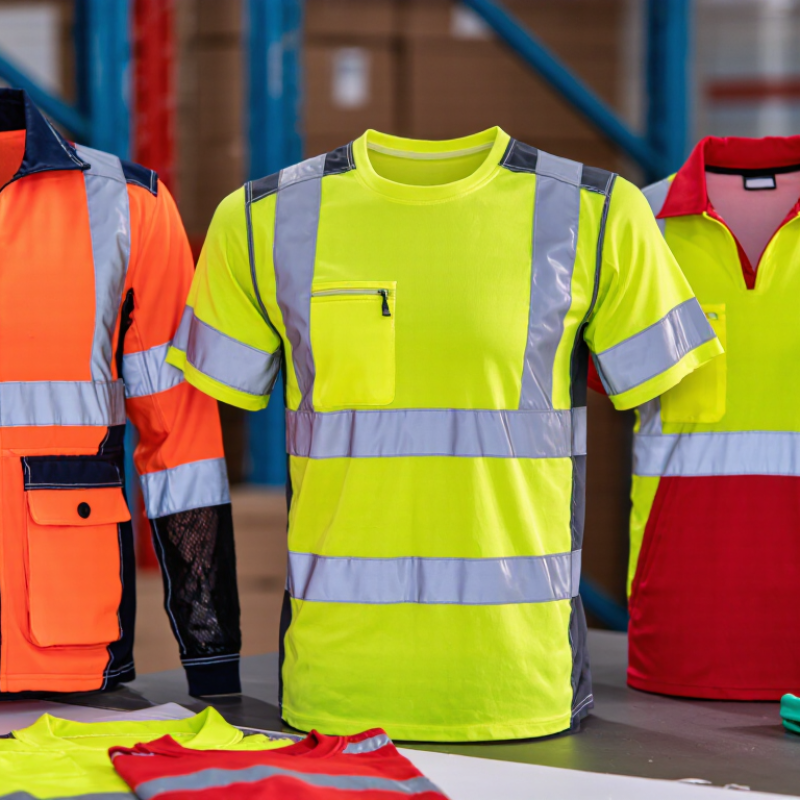
Hi-vis shirt selection in 2026 depends on the standard, not just bright color. ANSI/ISEA 107-2020 classifies garments by use and visibility performance. Type R shirts suit roadway work, while Type P garments support public safety activities. Class 2 shirts provide an intermediate level of visibility. Class 3 offers the highest coverage and visibility.
EN ISO 20471 uses Classes 1, 2, and 3. Class 3 requires the greatest areas of fluorescent and retroreflective material. A compliant shirt may use fluorescent yellow, orange, or red material. Reflective bands should remain visible around the torso and sleeves. Check the permanent label, test information, and garment class before purchase. Color alone proves very little.
Fit also affects real performance. A loose jacket can cover reflective bands. Dirt, heat, repeated washing, and damaged tape can reduce visibility over time. I have seen workers choose a lightweight shirt for comfort, then add a vest that hides its markings. That choice needs more thought. A shirt meeting one standard may not meet the other. Site rules, traffic speed, weather, and task risk still matter. Certification documents should come from reliable suppliers or testing organizations. The label is important. It is not the whole answer.
| Hi-Vis Shirt Category | Typical Visibility Design | ANSI/ISEA 107-2020 Reference | EN ISO 20471 Reference | Suitable Work Conditions | Selection Notes |
|---|---|---|---|---|---|
| Basic high-visibility T-shirt | Fluorescent background material with contrasting retroreflective bands around the torso; short or long sleeves. | Commonly designed for Type R Class 2 when intended for roadway or work-zone visibility. | Often configured to meet Class 2 when the required background and retroreflective material areas are provided. | Daytime road work, construction, utility maintenance, and warehouse traffic areas. | Confirm the garment label and test documentation; a fluorescent color alone does not establish compliance. |
| Long-sleeve high-visibility shirt | Long sleeves add visible fluorescent and reflective surface area while providing additional skin coverage. | May be Type R Class 2 or Class 3, depending on the compliant design and certified surface areas. | May reach Class 2 or Class 3; Class 3 requires the highest specified areas of background and retroreflective material. | Highway construction, roadside response, rail environments, and cooler outdoor conditions. | Check whether the sleeves and torso remain visible when worn under required outer equipment. |
| Polo-style high-visibility shirt | Collared shirt construction with fluorescent knit fabric and reflective torso bands; may use moisture-management fabric. | Can be classified as Type R Class 2 or Class 3 when the complete garment meets the applicable requirements. | Class depends on the garment’s measured visible material areas and design configuration. | Supervision, transportation, facilities work, site inspection, and warm-weather field operations. | A professional collar does not change the required visibility class; evaluate the certified garment, not the style name. |
| High-visibility mesh shirt | Open-mesh or breathable fluorescent fabric with reflective trim for hot and humid environments. | May qualify as Type R Class 2 or Class 3 if the mesh fabric and finished garment pass the applicable requirements. | Can be Class 2 or Class 3 only when the finished garment satisfies the applicable material-area and performance requirements. | Summer construction, asphalt work, traffic control, landscaping, and outdoor maintenance. | Breathability improves comfort but does not replace required retroreflective performance or garment labeling. |
| High-visibility shirt with contrasting panels | Fluorescent body with darker contrasting panels in areas exposed to dirt, abrasion, or frequent contact. | May meet Type R Class 2 or Class 3, provided the contrasting material and fluorescent/retroreflective areas remain compliant. | Permitted only when the finished design preserves the required visible background and retroreflective areas. | Demolition, road maintenance, waste handling, logistics yards, and dusty work sites. | Darker panels can improve appearance and stain resistance, but excessive non-fluorescent coverage may affect classification. |
| High-visibility shirt for low-risk off-road work | Limited fluorescent and retroreflective coverage designed for workers separated from moving traffic. | Type O Class 1 is intended for occupational environments where workers are not exposed to roadway traffic or similar high-risk visibility conditions. | The closest EN ISO 20471 option is Class 1, subject to the standard’s minimum material-area and performance requirements. | Warehouses, private industrial sites, parking facilities, and controlled areas with low-speed vehicle movement. | Do not select this level where a risk assessment requires roadway or high-speed traffic visibility. |
| High-visibility shirt for high-risk traffic exposure | Large fluorescent surface area, prominent torso bands, and additional reflective elements for recognition from multiple directions. | Typically Type R Class 3 or Type P Class 3, depending on whether the work is roadway-related or public-safety related. | Class 3 provides the highest visibility level within EN ISO 20471 for garments of this type. | High-speed roads, nighttime or limited-visibility work, emergency response, and complex traffic environments. | A shirt may need to be combined with compliant trousers, a jacket, or other apparel to meet the employer’s complete high-visibility ensemble requirement. |
| Two-tone or multi-color high-visibility shirt | Combines fluorescent yellow-green, fluorescent orange-red, or other permitted high-visibility colors with contrasting sections. | ANSI/ISEA 107-2020 recognizes specific high-visibility background-color requirements; the garment must be labeled with its applicable type and class. | EN ISO 20471 uses specified fluorescent background colors and retroreflective materials; colorfastness and performance must be verified. | Mixed indoor/outdoor operations, construction, utilities, transportation, and maintenance environments. | Color combinations should be checked against the selected standard because not every bright or contrasting color is a compliant background material. |