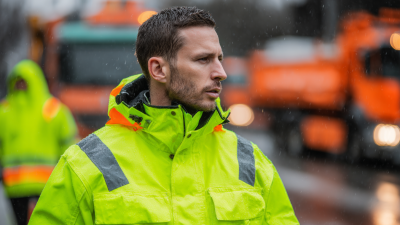
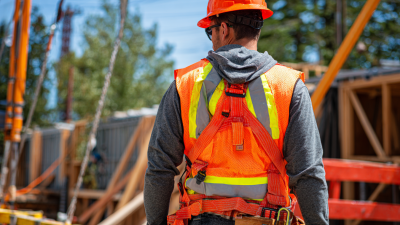
Top Safety Jacket Trends for 2026 What to Look For?
In recent years, safety jackets have become a critical component of personal protective equipment in various industries. The global market for safety jackets is projected to reach $3 billion by 2026, reflecting a growing emphasis on worker safety. This surge highlights the increasing awareness of occupational hazards, particularly in construction and manufacturing. As companies prioritize safety, innovations in safety jacket design and technology are emerging.
Safety jackets are not just about visibility; they incorporate advanced materials for protection against various environmental factors. New trends include the incorporation of smart textiles, allowing for real-time monitoring of worker safety metrics. Furthermore, according to a report by Safety+Health Magazine, 78% of fatalities occur in industries where safety gear is often bypassed. This statistic emphasizes the essential role safety jackets play in preventing workplace accidents.
The future of safety jackets is geared towards enhancing comfort without compromising safety. Lightweight designs and improved breathability are at the forefront of developments, addressing employees' needs for both practicality and safety. As we approach 2026, it is essential to consider these trends and their potential implications for workplace safety culture.
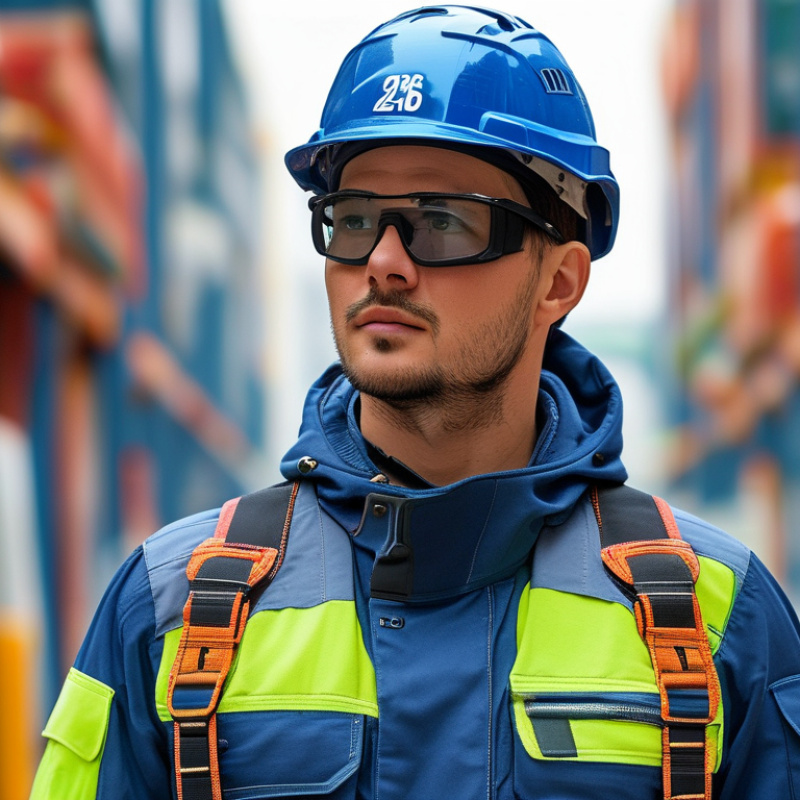
Emerging Materials: Innovations in High-Visibility Fabrics for Jackets
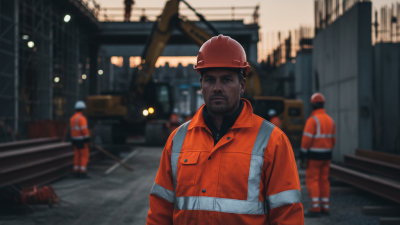
In 2026, high-visibility jackets will see exciting innovations in materials. Emerging fabrics promise not only visibility but also enhanced comfort and breathability. These advancements are significant for professionals who work in hazardous environments. New reflective elements can improve night-time visibility, making it crucial for safety.
Recent research into reflective textiles has led to softer, more lightweight options. Workers will appreciate jackets that don’t compromise on comfort. Some designs incorporate moisture-wicking technology, ensuring that sweat doesn't affect performance. Fabrics can even resist harsh weather conditions, which is essential for outdoor jobs.
However, there are challenges to address. New materials must prove their durability in real-world situations. Feedback from users is vital to improve these products. It's important to ensure that these innovations not only look good but also stand up to rigorous daily use. That balance is key for successful high-visibility jackets in the years ahead.
Top Safety Jacket Trends for 2026: Innovations in High-Visibility Fabrics
Enhanced Technology Features: Smart Safety Jackets in 2026
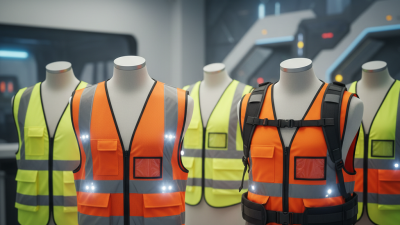
The future of safety jackets is bright, especially with the rise of smart technology. In 2026, we can expect jackets that integrate seamlessly with various apps and devices. For instance, jackets may feature built-in sensors that monitor real-time environmental conditions. This technology can alert the wearer to changes, like temperature drops or exposure to hazardous materials.
Enhanced visibility is another critical feature. Jackets may incorporate LED lights that can be programmed to flash patterns. This improves safety for workers, particularly in low-light situations. The balance between functionality and comfort remains a challenge. Manufacturers need to ensure that while jackets are high-tech, they are still lightweight and flexible.
Tips for choosing smart safety jackets include checking for compatibility with devices. Look for options that offer easy app integration. Ensure that the jacket has a reliable battery life, as this is crucial for consistent functionality. Finally, consider weight and durability; these jackets should withstand tough conditions while remaining comfortable during use. Being informed will empower users to select the best protective gear.
Design Trends: Balancing Functionality and Style in Safety Jackets
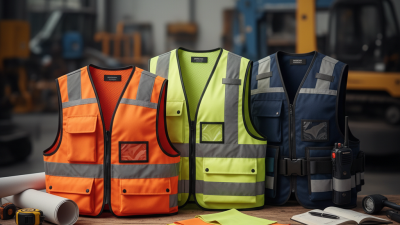
In 2026, safety jackets will continue to evolve, blending functionality and style. Modern designs prioritize safety while ensuring wearers feel confident. Fabric technology will play a key role. Expect lighter, more breathable materials that provide protection without bulk. Look for jackets with improved durability and water resistance. These elements enhance comfort in varying conditions.
Tips: Choose reflective materials that increase visibility in low light. This simple feature significantly boosts safety during outdoor work. Also, consider jackets with multiple pockets. These allow for better organization of tools and essentials.
Another aspect to consider is the integration of smart technology. Jackets could include sensors that monitor body temperature or alert workers in hazardous situations. However, ensuring user-friendliness is essential. Designs should remain intuitive and accessible, even as technology advances. Balancing innovation with practicality will define the safety jacket trends of 2026.
Sustainability Initiatives: Eco-Friendly Practices in Safety Jacket Production
The trend towards sustainability in safety jacket production is reshaping the industry. A recent report from the Global Textile Coalition highlights that over 70% of companies aim to implement eco-friendly practices by 2026. This push is driven by the necessity to reduce carbon footprints, as the textile industry is responsible for over 10% of global emissions.
Manufacturers are increasingly using recycled materials. Innovations in fabric technology allow for the creation of jackets from recycled plastics and organic cotton. This shift not only conserves resources but also engages environmentally-conscious consumers. Incorporating sustainability initiatives reduces waste and enhances brand loyalty.
Tips for choosing sustainable safety jackets: include looking for certifications such as OEKO-TEX® or GOTS. Consider the longevity of the jacket; durable products reduce waste. Evaluate the brand’s transparency regarding their production processes. It is crucial to support companies that actively pursue eco-friendly practices. A sustainable choice is not just a trend; it's a responsible decision.
Regulatory Changes: What Compliance Looks Like in the Future
The future of safety jackets is closely linked to evolving regulatory standards. As safety regulations tighten, manufacturers must adapt. Compliance is not just about meeting requirements; it involves understanding new materials and design practices. The integration of advanced fabrics, for instance, enhances visibility while keeping comfort in mind.
Tips for staying compliant include regularly checking updates from relevant regulatory bodies. Keeping an open line with safety experts can offer insights into potential changes. It’s essential to invest in training for workers on the latest safety gear innovations.
Flexibility in design will be crucial. Random tests or audits may uncover flaws. Iterating on designs based on feedback can help refine products. Continuous improvement is vital in this landscape. Regular assessments will foster a culture of safety that meets future compliance needs.