Top Safety Vest Features You Need to Know for Maximum Protection?
In today's fast-paced work environment, wearing a safety vest has become essential for protecting workers. John Smith, a renowned safety expert, once stated, "A safety vest can save lives by improving visibility." This highlights the critical role of safety vests in various industries.
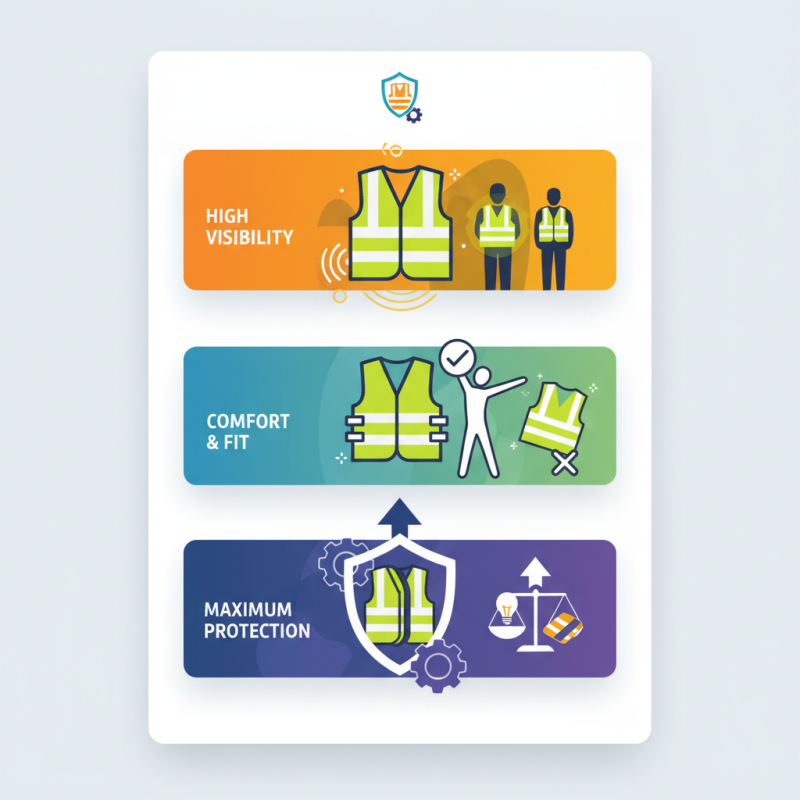
When selecting a safety vest, consider features like high visibility colors and reflective strips. These elements are crucial for ensuring workers are seen in low-light conditions. Many workers underestimate the impact of these features. Yet, they can make a significant difference on a busy job site.
Furthermore, comfort and fit should not be overlooked. An ill-fitting safety vest can hinder movement and reduce effectiveness. Workers often ignore this, leading to discomfort. Ultimately, a good safety vest should balance visibility and comfort for maximum protection.
Top Features of Safety Vests for Enhanced Visibility in Low-Light Conditions
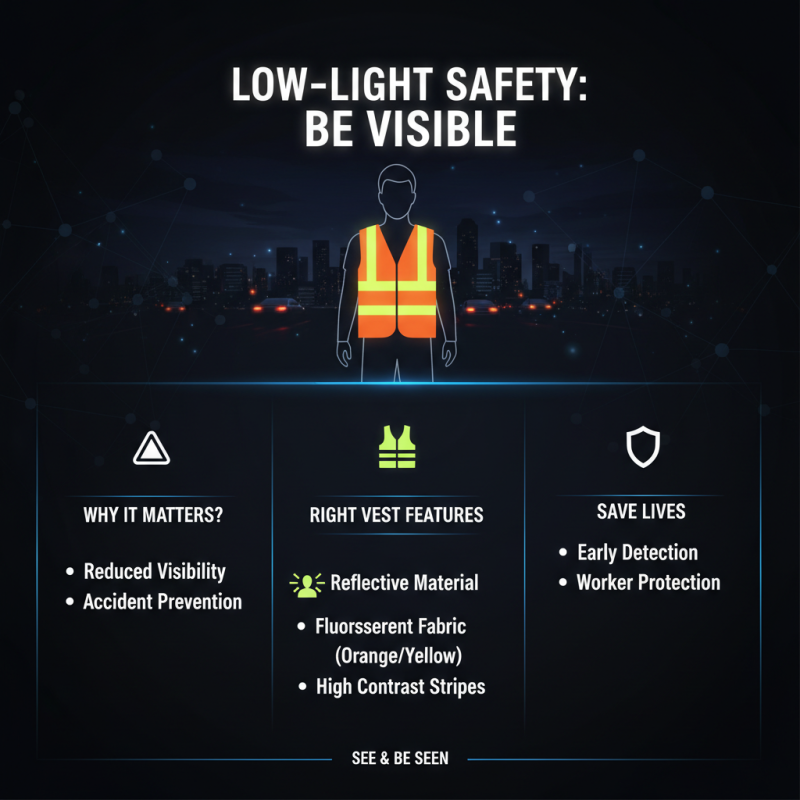
When working in low-light conditions, having the right safety vest can save lives. The primary feature to look for is high-visibility colors. Bright oranges, yellows, and greens are ideal choices. These colors stand out against dark surroundings. Fluorescent materials are even better. They reflect light effectively. This makes the wearer more noticeable.
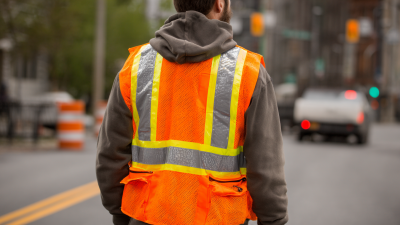
Another essential feature is reflective strips. These provide additional visibility when working near traffic or in poor lighting. The strips should be placed strategically around the vest. Horizontal bands are effective, but vertical strips enhance visibility from various angles. Vests with larger reflective areas are often more beneficial. However, it can be challenging to find the right size and fit that still meets safety standards.
Consider pockets and additional storage. They are useful for carrying tools or personal items. But be cautious; bulky pockets can impede movement. It's also important that vests are lightweight and breathable. Comfort matters, especially during long shifts. A vest that feels good encourages consistent use, enhancing safety overall. Balancing all these features is not easy, but it's crucial for creating an effective safety vest.
Understanding the Importance of Reflective Materials in Safety Vest Design
Reflective materials play a crucial role in safety vest design. They enhance visibility, especially in low-light conditions. A well-designed vest incorporates high-visibility colors like neon yellow or orange. These colors, combined with reflective strips, create a striking contrast. Workers on busy roads or at construction sites must be seen from a distance.
When considering reflective materials, think about the type and placement. Some vests feature retroreflective materials that direct light back to its source. This means headlights can illuminate a worker even at night. However, not all reflective materials are created equal. Durability can vary, and some may wear out quickly with regular use. These factors must be weighed for optimal safety.
It's also essential to understand comfort. A vest that is too bulky might be reluctant to wear. This leads to poor visibility, defeating the purpose. Fit and breathability are just as important as reflectiveness. A balance between comfort and safety can be tricky to achieve. Regular evaluation of vest performance is needed. Adjustments may be required with wear and tear over time.
Top Safety Vest Features You Need to Know for Maximum Protection
This chart illustrates the importance levels of various features in safety vest design. Reflective materials are vital for visibility, while durability and comfort are also essential for user satisfaction and safety compliance.
Industry Standards: Compliance Requirements for Safety Vests and Their Features
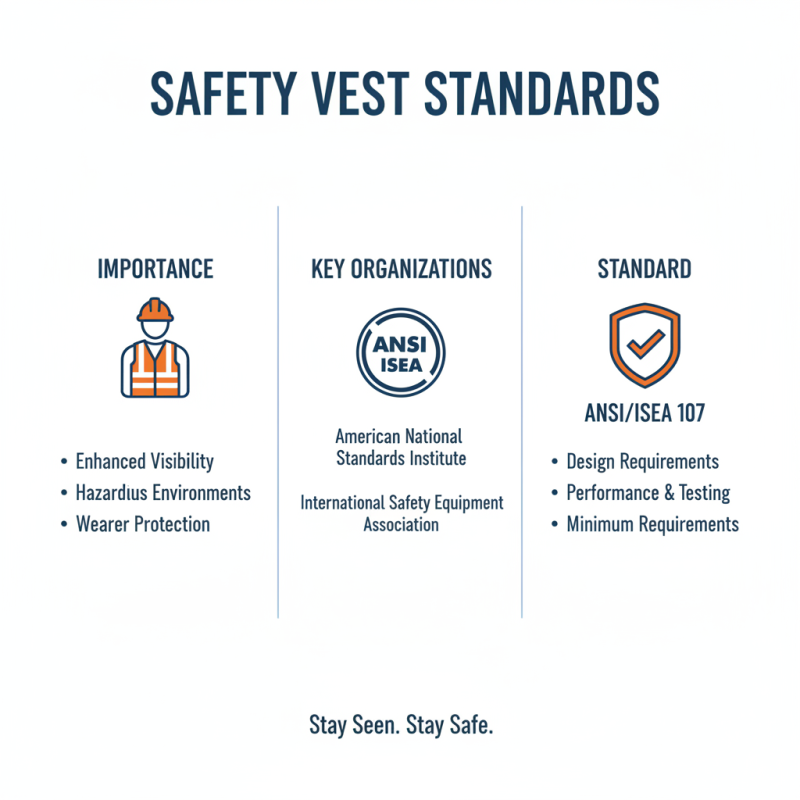
When it comes to safety vests, understanding industry standards is crucial. Various organizations, such as the ANSI (American National Standards Institute), outline requirements for visibility and performance. For instance, ANSI/ISEA 107 dictates the minimum requirements for design, performance, and testing. Compliance ensures wearers are better protected in hazardous environments.
Research shows that high-visibility clothing must meet strict criteria. Fluorescent colors are vital for daytime visibility, while retroreflective materials are essential for low-light situations. A 2019 study by the National Institute for Occupational Safety and Health found that workers in compliant vests had a 27% lower risk of accidents. However, not all safety vests are created equal. Some may lack sufficient reflectivity or durability.
Additionally, the fit and comfort of safety vests contribute to their effectiveness. Poorly designed vests can hinder movement or cause discomfort. This can lead to workers not wearing them properly, reducing safety. Industry feedback often highlights these issues. Addressing them is crucial for maximum protection. Always check if your vests meet the latest industry standards to ensure safety on the job.
The Role of Breathability and Comfort in Safety Vest Effectiveness
When it comes to safety vests, breathability and comfort are crucial for optimal performance. A poorly designed vest can hinder movement and lead to discomfort. Workers might sweat excessively or feel restricted. This can distract them from their tasks, reducing overall effectiveness.
Breathable materials enhance airflow, allowing moisture to escape. This keeps the wearer dry and comfortable throughout the workday. Features like mesh panels can improve ventilation. However, not all designs prioritize breathability. Some vests can be too thick or heavy, leading to fatigue. Comfort is equally important. Vests should fit well without being too loose or tight. An ill-fitting vest can cause chafing or irritation.
Choosing the right safety vest involves considering these aspects carefully. Too often, comfort and breathability take a backseat to visibility or durability. As a result, workers may overlook essential features that impact their productivity and safety. A vest that blends visibility with comfort ensures that workers remain alert and focused.
Evaluating Safety Vest Durability: Material Types and Their Impact on Longevity
When selecting a safety vest, consider the durability of the materials used. Common options include polyester, nylon, and cotton blends. Polyester is known for its resistance to wear and tear. It's often lightweight but durable.
On the other hand, nylon is stronger and provides excellent abrasion resistance. However, it may not breathe as well as cotton.
Tip: Always check the fabric weight. Heavier fabrics often offer more resistance to damage. Lightweight vests may not last long in harsh conditions.
Cotton, while comfortable, can fade and wear out quickly. It's essential to evaluate how and where you'll be using the vest. If you're in a rough environment, a sturdier option is advisable.
Tip: Look for vests with reinforced stitching. This feature can greatly enhance longevity. It’s a simple detail that can make a big difference over time.
Ultimately, you should balance comfort and durability. Sometimes a comfortable vest may not hold up in rugged situations. Don't overlook this aspect. Prioritize the right material for your needs. It's a decision that affects your safety in the long run.