Why Wearing a Reflective Vest is Essential for Your Safety on the Road
In an increasingly busy world, where the hustle and bustle of daily life often overshadows safety, the importance of wearing a Reflective Vest cannot be overstated. As safety expert Dr. Emily Carson, a renowned figure in the field of road safety, emphasizes, "A Reflective Vest is not just an accessory; it’s a vital piece of gear that can mean the difference between life and death." This statement rings especially true for those who find themselves working or participating in activities near roadways, where visibility can be drastically reduced, particularly at dusk or dawn.
The Reflective Vest serves as a beacon of safety, enhancing the visibility of the wearer to drivers and passersby alike. By integrating reflective materials into clothing, these vests ensure that individuals can be seen from greater distances, thus reducing the risk of accidents. With statistics indicating that high visibility apparel can help decrease incidents on the road, it's imperative for both professionals and recreational users alike to embrace this essential safety measure.
Moreover, the need for wearing a Reflective Vest extends beyond mere compliance with regulations; it reflects a proactive attitude toward personal safety. As we navigate environments where safety is often compromised, prioritizing visibility with a Reflective Vest is not just a recommendation but a responsibility.

The Importance of Visibility for Road Safety
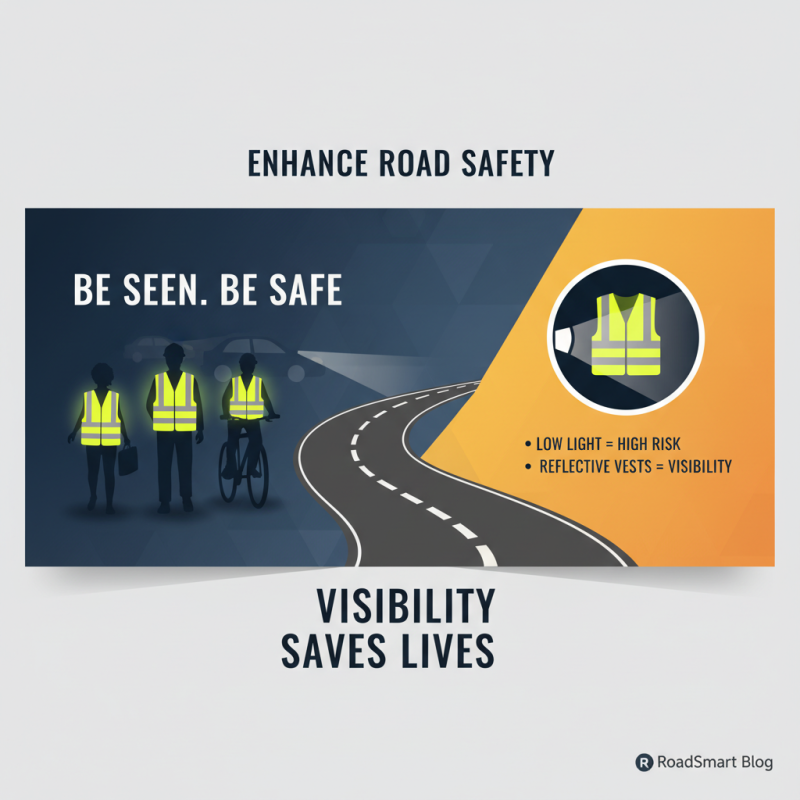
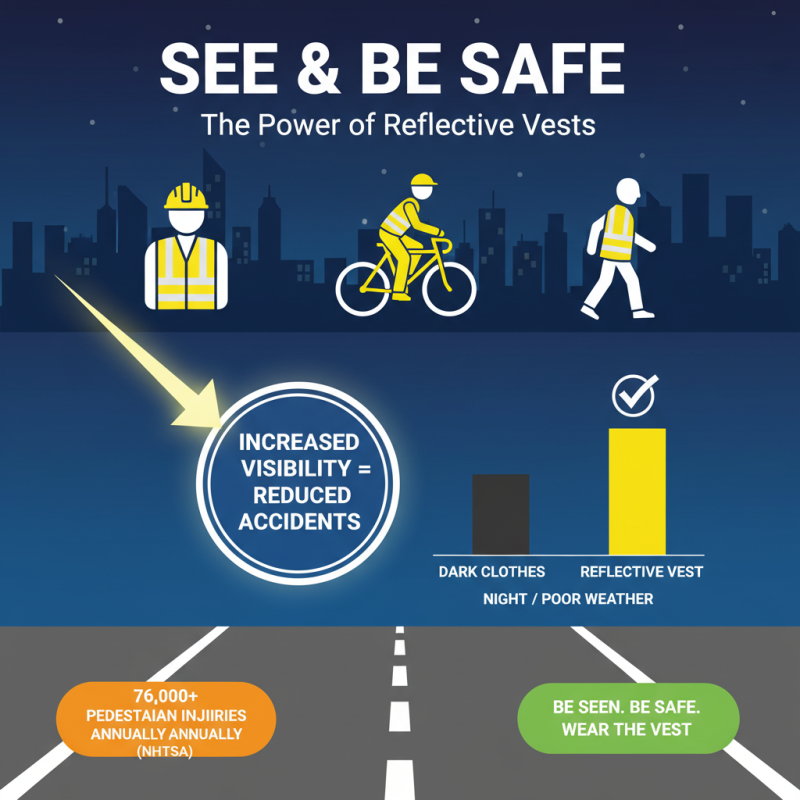
Visibility is a critical component of road safety, especially for those who share the road with motor vehicles, whether it be pedestrians, cyclists, or construction workers. Wearing a reflective vest significantly enhances an individual's visibility, making them more noticeable to drivers, particularly in low-light conditions such as at dawn, dusk, or during inclement weather. The bright colors and reflective materials of these vests catch the light, acting as a beacon that alerts drivers to the presence of individuals nearby, thus reducing the likelihood of accidents.
Moreover, the importance of visibility extends beyond just avoiding collisions. It fosters a safer environment for all road users. When individuals are easily seen, not only are they protected, but they also contribute to a collective awareness that encourages safer driving behavior. Drivers are more likely to exercise caution and reduce speed upon spotting reflective vests, promoting a culture of safety on the roads. Wearing such vests serves as a simple yet effective measure in safeguarding lives, reinforcing the idea that visibility is paramount in preventing road-related incidents.
Understanding the Role of Reflective Vests
Wearing a reflective vest while on the road significantly enhances visibility, making it a crucial element of safety for various individuals including construction workers, cyclists, and pedestrians. The National Highway Traffic Safety Administration (NHTSA) reports that approximately 76,000 pedestrians were injured in traffic accidents in 2019 alone, with a notable portion occurring during darker hours. Reflective vests, designed with brightly colored fabrics and reflective strips, serve to increase the visibility of individuals in low-light conditions. This visibility is critical, as studies show that motorists are less likely to notice individuals wearing darker clothing, especially at night or in poor weather conditions.
Understanding the role of reflective vests extends beyond just increasing visibility; they can also convey important information regarding the role of the wearer. According to the Occupational Safety and Health Administration (OSHA), wearing high-visibility clothing is a necessary standard on many job sites, particularly those involving road work or heavy machinery. Statistics indicate that workers in such environments are at a significantly higher risk of accidents, and reflective vests have been shown to reduce the incidence of collisions by up to 30% when worn correctly. This protective measure not only safeguards individuals but also promotes a culture of awareness and safety on the roads, underscoring the importance of proper gear in preventing accidents and saving lives.
Key Features of Effective Reflective Vests
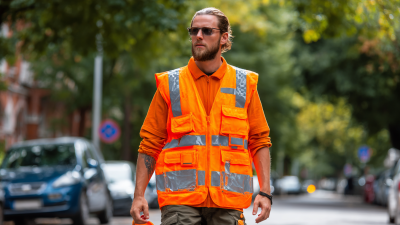
When it comes to ensuring your safety on the road, wearing a reflective vest is a vital measure that should not be overlooked. Effective reflective vests typically incorporate bright colors, such as fluorescent yellow or orange, to enhance visibility during the day. The inherent brightness of these colors alerts drivers to your presence from a distance, ensuring that you are seen before they approach too closely.
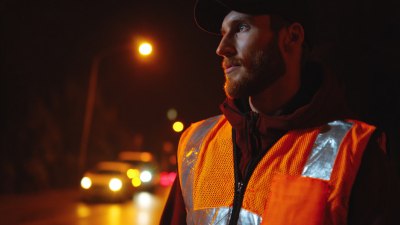
In addition to vivid colors, the most important feature of a good reflective vest is the reflective tape or strips strategically placed to catch light from vehicle headlights at night or in low-light conditions. Ideally, the reflective material should cover a substantial portion of the vest and be positioned both horizontally and vertically to maximize the amount of light reflected back to the source. Furthermore, a proper fit is essential. An effective vest should be loose enough to allow freedom of movement but snug enough to ensure it stays in place while you are on the move, whether walking, cycling, or participating in roadside work. By prioritizing these key features, you can significantly enhance your safety while navigating roadways.
Why Wearing a Reflective Vest is Essential for Your Safety on the Road - Key Features of Effective Reflective Vests
| Feature |
Description |
Importance |
| Reflective Material |
High-quality reflective fabric that reflects light in low visibility conditions. |
Increases visibility to drivers, reducing accident risk. |
| Bright Colors |
Vests available in bright colors such as neon yellow, orange, or pink. |
Enhances visibility during the day and in various weather conditions. |
| Adjustable Fit |
Features adjustable straps or elastic designs for comfort. |
Ensures the vest fits securely and comfortably, promoting ease of movement. |
| Breathable Fabric |
Made from lightweight and breathable materials. |
Keeps the wearer cool and comfortable during extended use. |
| Multiple Size Options |
Available in various sizes to accommodate different body types. |
Ensures all individuals can find a suitable vest for optimal safety. |
Regulatory Standards for Wearing Reflective Gear
Regulatory standards for wearing reflective gear are crucial for ensuring safety on the road, particularly for those who work in or traverse high-risk areas such as construction sites, road repair zones, or other environments with heavy vehicle traffic. Many countries have established specific guidelines that dictate the types of reflective materials required and the conditions under which they must be worn. These standards often specify that the vests should have a minimum amount of reflective surface area and conform to designated visibility levels to ensure individuals are easily seen by drivers.
In addition to the basic requirements, regulations often emphasize the importance of using reflective gear in low-light conditions, such as at dawn or dusk, and during inclement weather. The visibility provided by reflective clothing significantly reduces the risk of accidents, making the adherence to these standards not only a matter of compliance but an essential practice for personal safety. As road traffic patterns evolve, these regulatory standards are regularly updated, highlighting the need for workers and pedestrians alike to stay informed and equipped appropriately, ensuring their safety and that of others on the road.
Importance of Reflective Vests on the Road
Best Practices for Using Reflective Vests on the Road
Wearing a reflective vest is an important safety measure for anyone on or near the road, whether you are a pedestrian, cyclist, or a construction worker. To maximize the effectiveness of your reflective vest, here are some best practices to consider.
First, ensure that your vest fits properly. A vest that is too loose can shift during movement, reducing visibility, while one that is too tight may be uncomfortable. Look for vests that are adjustable and highly visible, particularly those featuring neon colors. It’s ideal to wear your vest over other clothing to ensure it remains visible even in various light conditions.
Furthermore, consider the environment in which you will be using the vest. If you're walking or cycling during low-light conditions, reflective materials are essential. Look for vests with reflective strips that can catch light from vehicles, making you more visible from a distance.
Tips: Always wear your vest when working near roadways or during twilight hours. Make it a habit to check your vest for any wear and tear before use, as damaged vests may not provide adequate visibility. And remember, combine the vest with other safety elements like wearing lights or carrying a flashlight for additional visibility to enhance your safety on the road.