2026 Best Hi Vis Jacket for Safety and Visibility?
In the ever-evolving safety apparel industry, the importance of high visibility jackets is undeniable. According to the National Safety Council, wearing a "Jacket Hi Vis" can reduce the risk of workplace accidents by up to 50%. This statistic underscores the crucial role these garments play in protecting workers across various sectors, particularly in construction and road work environments.
Industry expert James Carter, a renowned safety apparel consultant, once stated, “The right high visibility jacket not only enhances safety but also boosts worker confidence.” This perspective highlights the dual benefits of these jackets. As workers don high vis gear, they are not only seen but also feel equipped for their tasks. However, with countless options available, selecting the ideal "Jacket Hi Vis" can be overwhelming. Factors like color, material, and reflectivity matter significantly.
Recognizing the urgency of this issue, organizations must prioritize investing in the best quality jackets. The market is rife with choices that may not meet safety standards. Awareness and education are vital. The right decision is not always clear, prompting workers and employers alike to reflect on their safety gear choices.
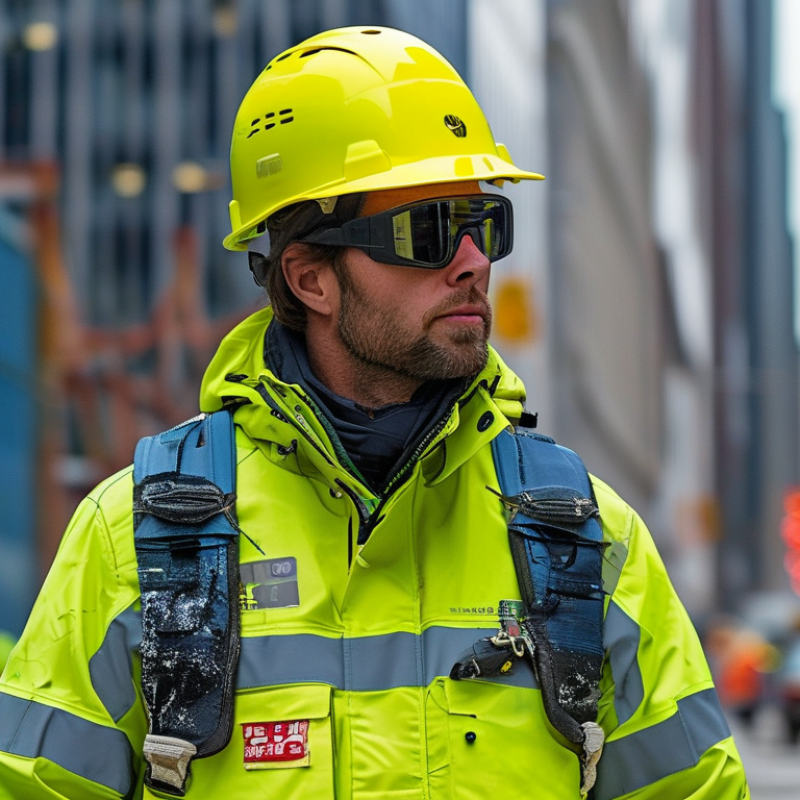
Overview of Hi Vis Jackets and Their Importance in Safety
High visibility jackets are essential for promoting safety in various environments. Workers on construction sites, roadways, and industrial areas often face risks due to poor visibility. A hi vis jacket, made with bright colors and reflective materials, helps increase awareness among drivers and coworkers. These jackets ensure that individuals are seen, especially in low-light conditions or inclement weather.
The importance of hi vis jackets extends beyond mere visibility. They can contribute significantly to reducing accidents. However, the effectiveness of these jackets depends on proper fit and maintenance. An ill-fitting jacket may not offer the intended protection. Regular checks for wear and tear are crucial. In critical areas, a jacket that is frayed or damaged can be a safety hazard. It's vital to understand that visibility alone does not guarantee safety. Training and awareness are equally important.
Many may underestimate the significance of wearing these jackets consistently. In some cases, individuals might forget to put them on during casual tasks. This oversight can lead to dangerous situations, especially in high-traffic areas. Reflecting on these habits can foster a culture of safety. Ensuring that hi vis clothing is part of daily attire encourages better safety practices at all times.
2026 Best Hi Vis Jacket for Safety and Visibility
| Model |
Material |
Visibility Level |
Weather Resistance |
Price Range ($) |
| Classic Safety Jacket |
Polyester |
Class 3 |
Water Resistant |
50-70 |
| Reflective Explorer Jacket |
Nylon |
Class 2 |
Windproof |
80-100 |
| Ultimate Visibility Jacket |
Polyester/Cotton Blend |
Class 3 |
Waterproof |
100-130 |
| Compact Safety Jacket |
Lightweight Nylon |
Class 1 |
Water Resistant |
30-50 |
| Heavy Duty Safety Jacket |
Durable Polyester |
Class 3 |
Waterproof & Windproof |
120-150 |
Key Features to Look for in a High Visibility Jacket
When selecting a high visibility jacket, several key features stand out. Look for jackets made from durable, weather-resistant materials. These jackets should withstand various conditions while maintaining breathability. A good jacket will keep you dry without making you sweat excessively.
Reflective strips are crucial. They enhance visibility in low-light conditions, making you stand out to drivers and machinery operators. The placement and quality of these strips can significantly impact safety. Jackets should also have a snug fit without being too tight. This prevents any obstruction during movement.
Consider pockets and extra storage options. A high visibility jacket with secure pockets allows you to carry essential items conveniently. Also, check for adjustable features, such as cuffs and hems. These adjustments ensure comfort and fit, adapting to various body types. While many jackets meet safety standards, not every option is equal. Always reflect on your specific needs to make the best choice.
Top Brands for Hi Vis Jackets in 2026
When selecting a hi vis jacket, it's essential to know the top brands in 2026. A reliable jacket enhances both safety and visibility. Some brands focus on materials, while others prioritize comfort and functionality. Look for jackets that feature strong, luminous colors like fluorescent yellow or orange, ensuring you stand out in various environments.
Many leading brands combine reflective elements with breathable fabrics. This balance is crucial when working in challenging conditions. Workers often need jackets that withstand wear and tear while offering flexibility. Check the jacket's waterproof capabilities too, as unexpected weather changes can pose risks.
Next, consider customization options offered by these brands. Some allow you to add company logos or personal tags, enhancing team visibility. However, not all options are suitable for every profession. Reflect on your specific needs. The best choice should align with your work environment and personal comfort. This thoughtful approach ensures you remain safe and visible on the job.
2026 Hi Vis Jacket Safety and Visibility Ratings
User Reviews and Ratings of Popular Hi Vis Jackets
When it comes to high visibility jackets, user reviews play a vital role in guiding your purchase decisions. Many workers share their experiences, highlighting comfort and performance. Some users report that certain jackets are too bulky, hindering mobility. This feedback is crucial for those needing flexibility in their daily tasks.
A key aspect of choosing a hi vis jacket is the fabric. Many users appreciate lightweight materials that remain breathable while providing essential visibility. Some jackets come with reflective strips, which enhance safety during low-light conditions. However, various users express concerns about the durability of these jackets after repeated washes. Keep that in mind.
Here are some tips to consider when selecting a hi vis jacket. Look for adjustable cuffs and hemlines for better fit and comfort. Check the warmth level if you're using the jacket in colder climates. Always read multiple user reviews. This will give you a broader perspective on what to expect. Don't be afraid to ask questions in forums, as direct user feedback can reveal valuable insights.
Maintenance and Care Tips for Hi Vis Jackets
Hi-visibility (hi-vis) jackets are essential for ensuring safety in various environments. Proper maintenance can extend their lifespan and effectiveness. Regular washing is vital. It helps remove dirt and grime that can diminish visibility. Use mild detergent and avoid fabric softeners. These agents might interfere with the coat's reflective properties.
Inspect the jacket frequently. Look for signs of wear, such as frayed seams or fading fabric. Damaged jackets can compromise safety. Make repairs promptly, if possible. Sometimes, it’s better to replace a heavily worn jacket. Storing hi-vis jackets correctly is also crucial. Keep them in a cool, dry place away from direct sunlight. Excessive heat and moisture can degrade the material over time.
Do not neglect regular checks on the reflective components as well. If the reflective strips peel off, visibility decreases significantly. While it's tempting to ignore minor issues, doing so can lead to bigger problems. Prioritize care and oversight to keep the hi-vis jacket in peak condition. Attention to these details ensures you stay safe on the job.