Leave Your Message
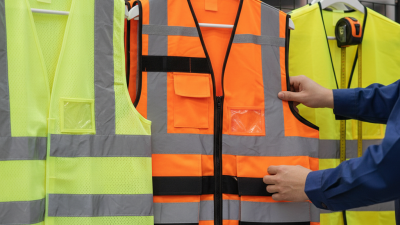
For global buyers, choosing a Reflective Vest involves more than picking a bright color. The vest should remain visible in the conditions where people actually work. Picture early-morning road crews, dim warehouses, rainy delivery routes, and hot outdoor sites. Small details matter: reflective tape placement, breathable mesh, pocket layout, closure strength, and fit over bulky clothing. A bright sample can still disappoint.
This guide compares ten options using practical buying factors, not appearance alone. It considers intended use, materials, adjustability, comfort, visibility features, and care requirements. Buyers should confirm sizing consistency, product labeling, and applicable safety requirements in each destination market. Requirements differ. Ask suppliers for current specifications and supporting test documents, then inspect a sample before placing a large order. Check seams, closures, and tape attachment closely.
No single vest suits every team. A lightweight design may work well indoors or in warm weather, while a sturdier build may handle repeated outdoor use better. But extra pockets, heavier fabric, and lower prices can involve trade-offs. Washing can also affect materials over time, so review care instructions before procurement. The right choice depends on workers’ tasks, climate, layering, and replacement plans. This list is a useful starting point, not a substitute for evaluating the actual product. Some details are easy to miss until a vest is worn through a full shift.
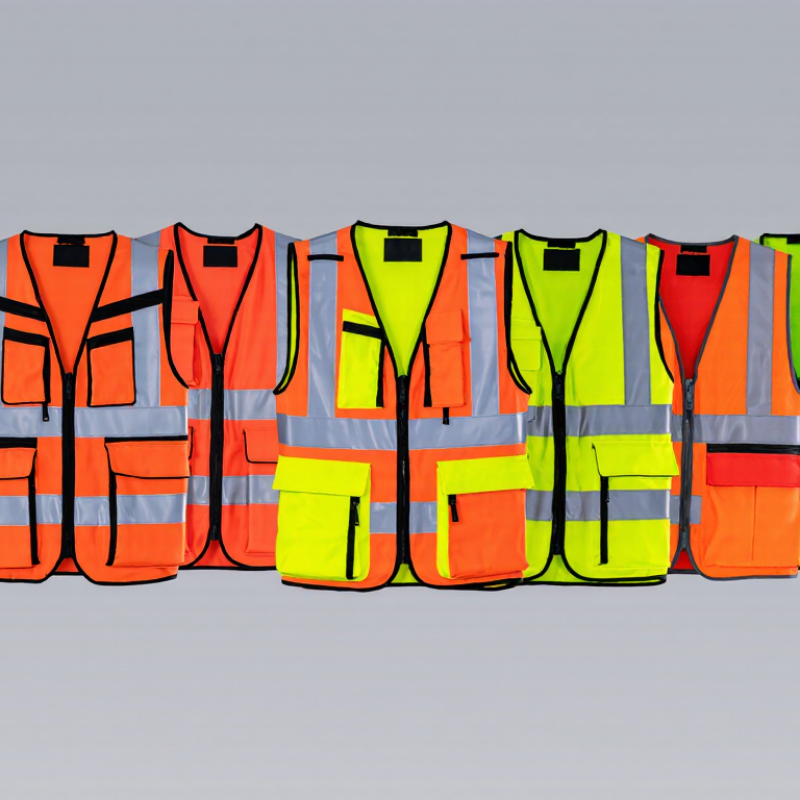
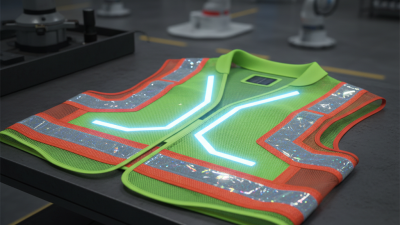
A reflective vest is a lightweight garment designed to make a person easier to notice. Its bright fluorescent fabric stands out in daylight and overcast conditions. Reflective strips work differently: they bounce light from headlights or work lamps back toward its source. This can help drivers and equipment operators see a wearer sooner in dim settings. It does not guarantee that someone will be seen. A vest is not armor.
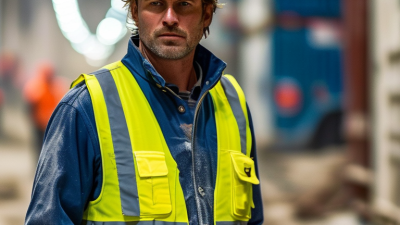
Fit and condition matter. Choose a vest that sits smoothly over the clothing worn on the job, without loose edges catching on equipment. Check that reflective panels remain visible from several angles, especially when the wearer turns or bends. Dirt, wear, and folds can make the material less noticeable, so inspect it regularly and follow its care instructions. A clean vest helps. A poorly fitted one may ride up or hide beneath a jacket, which is easy to overlook when ordering in bulk. Brightness alone is not the whole story; the work environment, background colors, lighting, and movement all affect visibility. A reflective vest should support safe work practices, not replace them.
| Vest Type | Best Suited For | Visibility Features | Practical Advantages | Points to Check |
|---|---|---|---|---|
| General-purpose high-visibility vest | Warehouses, facilities, and routine site work | Fluorescent background material helps improve daytime conspicuity; retroreflective bands return light toward its source in low-light conditions. | Versatile option for workplaces with varied tasks and indoor or outdoor areas. | Check that the garment’s design and performance meet the requirements for the intended workplace and country. |
| Roadway work vest | Road construction, maintenance, and roadside operations | High-visibility background and reflective material are arranged to make the wearer more noticeable to approaching traffic. | Designed for work near moving vehicles, where visibility is a key part of risk control. | Confirm applicable requirements, such as ANSI/ISEA 107 in the United States or EN ISO 20471 in relevant markets, and select the required class or performance level. |
| Public-safety vest | Emergency response, traffic control, and incident management | Reflective elements support visibility in darkness, while fluorescent material supports visibility in daylight. | May include clear identification panels or pockets for role-specific equipment. | Ensure added text, badges, or equipment do not obscure required high-visibility material. |
| Breathable mesh vest | Warm-weather work and physically demanding tasks | High-visibility mesh body with reflective bands; visibility depends on the garment’s overall compliant design. | Lightweight construction can help reduce heat buildup compared with heavier fabrics. | Check mesh durability, fit over work clothing, and whether the complete garment meets the required standard. |
| Solid-fabric vest | Outdoor work in cooler, windy, or changeable conditions | Fluorescent fabric and retroreflective bands provide complementary visibility functions. | Often offers more coverage and can be more resistant to snags than open mesh. | Consider breathability and layering; a vest is not a substitute for weather-protective outerwear. |
| Breakaway vest | Work near machinery or equipment where snagging is a concern | High-visibility colors and reflective bands can be incorporated into a design with separable closures. | Breakaway construction is intended to help the garment release if caught. | Verify that the specific design is suitable for the hazard assessment and complies with required visibility standards. |
| Multi-pocket utility vest | Inspection, maintenance, and field-service tasks | Reflective bands and fluorescent material improve conspicuity when properly positioned and unobstructed. | Pockets provide convenient storage for small tools, documents, or communication devices. | Loaded pockets can affect fit and coverage; keep reflective areas visible and avoid overloading the garment. |
| Surveyor-style vest | Surveying, utilities, and technical fieldwork | High-visibility fabric and reflective trim help make workers easier to see in outdoor work areas. | May offer organized storage for measuring tools and field equipment. | Choose a fit that allows free movement and check that equipment does not cover reflective material. |
| Cold-weather high-visibility vest | Outdoor operations in cool or cold conditions | High-visibility outer fabric and reflective elements support visibility over warmer clothing. | Can be selected to fit over layers while maintaining access to workwear. | Check sizing over the intended layers and ensure the vest remains visible rather than being covered by a coat. |
| Lightweight packable vest | Visitors, temporary work, and occasional field use | Compact vest designs may use fluorescent material and reflective bands for increased conspicuity. | Easy to store and distribute where a spare garment is useful. | Confirm that the item is a suitable protective garment for the task; compactness alone does not indicate compliance. |
How reflective vests improve visibility: Fluorescent materials help make a wearer stand out in daylight and some low-light conditions, while retroreflective material reflects light from sources such as vehicle headlights back toward the source. Performance depends on garment design, fit, condition, lighting, and the surrounding environment. Standards and legal requirements vary by market and job; verify the current rules and required garment class before purchasing.