Leave Your Message

2026 Best Safety Vest for Work and Outdoor Use?

Choosing the best safety vest for work or outdoor use in 2026 is more complicated than picking the brightest color. A Safety Vest must help people notice you quickly, while remaining comfortable during long shifts, changing weather, and repeated movement. Road crews, warehouse workers, cyclists, runners, hunters, and emergency volunteers may need different features. One vest cannot perfectly serve every situation.

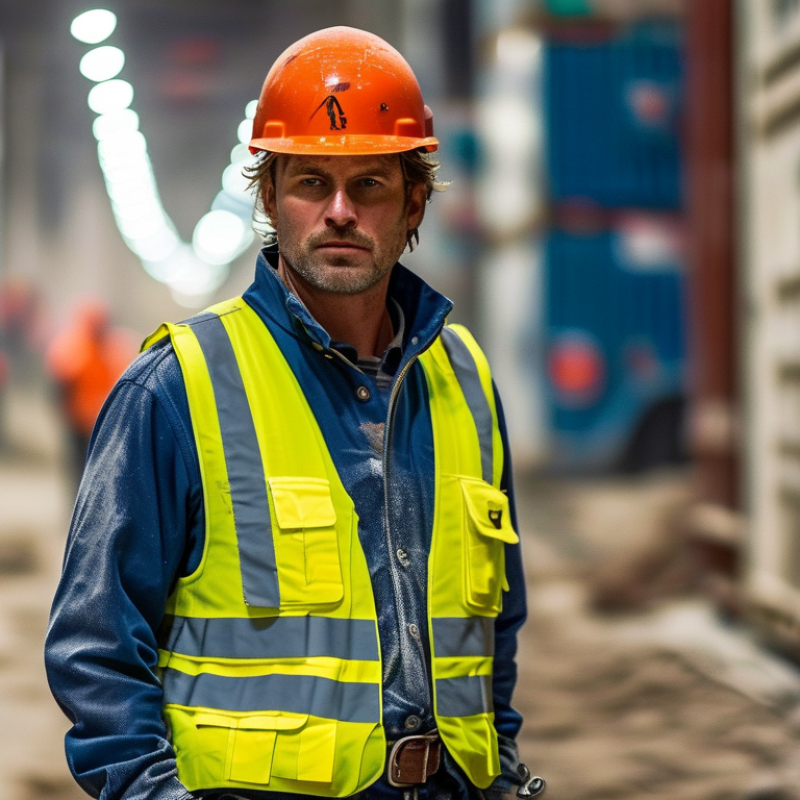
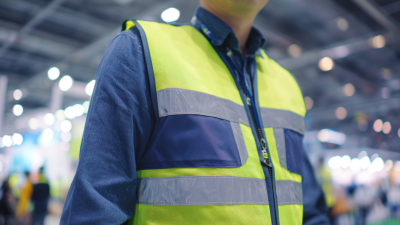
Mark Ellison, a high-visibility workwear consultant, explains, “Visibility is not decoration; it is reaction time.” That idea matters beside moving vehicles, dim loading areas, and dusty construction zones. Strong fluorescent fabric improves daytime visibility. Retroreflective strips help return light toward approaching drivers at night. Breathable mesh can reduce heat. A secure zipper or adjustable side panel prevents the vest from shifting when you bend or reach.

Still, product labels can be confusing. “ANSI compliant” does not automatically mean every vest suits every job. The required class, fit, color, and reflective coverage depend on the working environment and local workplace guidance. A lightweight running vest may feel excellent outdoors, yet offer too little coverage near traffic. A heavy industrial vest may provide better visibility, but become uncomfortable in summer.

This guide compares the 2026 best safety vest options through practical details, including visibility, durability, comfort, storage, weather resistance, and maintenance. We will look closely at stitching, reflective tape, pocket placement, and wash performance. Some rankings remain subjective. A vest that works perfectly for a roadside worker may frustrate a cyclist. That is worth admitting. The right choice begins with the hazards around you, not a fashionable product claim.

2026 Best Safety Vest for Work and Outdoor Use?

What Is a Safety Vest and Why Is It Important?

A safety vest is a high-visibility garment designed to make a person easier to see. It usually combines bright fabric with reflective bands. These materials catch headlights, work lights, and daylight. Visibility matters. The vest does not stop every hazard, but it can give others more time to react.

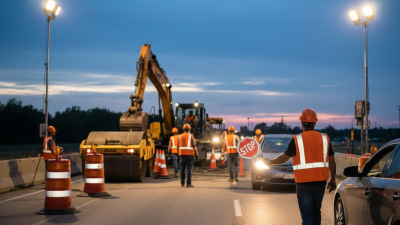
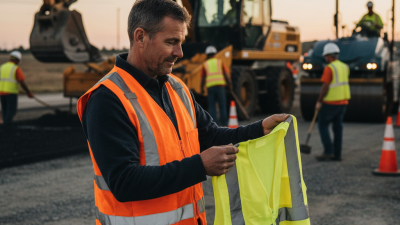
On a roadside project, a worker may stand near moving vehicles, equipment, or uneven ground. A bright vest helps identify that person quickly. Outdoor users also benefit during cycling, hiking, hunting, and early-morning maintenance. I have noticed that dark clothing almost disappears near tree lines and shaded paths. A vest creates a clear human outline. That small difference can affect safe distance and communication.

Good selection requires more than choosing the brightest color.
The vest should fit over work clothing without restricting movement. Reflective strips should remain visible from the front, back, and sides. Check the fabric after washing, especially around seams and tape. Dirt, tears, and fading reduce performance. Fit matters too. A loose vest may catch on equipment, while a tight one can cover essential clothing. I have made the mistake of wearing a vest with damaged reflective tape because the fabric still looked bright. That judgment was poor. Local workplace rules may also require specific visibility classes or garment features, so users should check current requirements before working.

How to Choose the Best Safety Vest for Work and Outdoor Use

Choosing the best safety vest starts with the work environment, not the color. A roadside crew needs strong contrast, reflective bands, and a fit that remains visible at night. Warehouse workers may need lighter fabric and fewer loose edges. ANSI/ISEA 107-2020 groups high-visibility garments by performance classes, helping employers match coverage to traffic speed and workplace risk. Check the applicable local standard before buying.

Visibility is only one layer of protection. The U.S. Bureau of Labor Statistics recorded 5,283 fatal work injuries in 2023, so clothing choices should support training, lighting, barriers, and safe procedures. Look for durable stitching, washable reflective tape, breathable panels, and adjustable closures. Test the vest over the thickest jacket you will wear. It should not twist when you bend or climb. A vest that rides up can hide the reflective area. That detail is easy to miss. I would also inspect fading, torn tape, and clogged mesh after dusty outdoor shifts. A bright vest is not automatically a safe one.

Key Safety Vest Features, Materials, and Visibility Standards

2026 Best Safety Vest for Work and Outdoor Use?

A useful safety vest begins with visibility, not color preference. Fluorescent yellow-green or orange materials stand out during daylight. Retroreflective tape returns vehicle headlights toward drivers at night. ANSI/ISEA 107-2020 separates garments into Type O, Type R, and Type P categories. Its performance classes also consider background material and reflective coverage. Check the label before buying. “High visibility” alone is too vague.

Material choice affects comfort and actual use. Polyester mesh helps airflow on hot worksites, while solid fabric offers better wind resistance and durability. Wide reflective bands should remain visible when the wearer bends, kneels, or carries tools. Poorly placed strips can disappear under a backpack. Dirt also reduces contrast. I have seen bright vests become dull after repeated washing. That detail is easy to overlook. Follow the care label and replace damaged tape.

The U.S. Bureau of Labor Statistics reported 5,283 fatal work injuries in its 2023 Census of Fatal Occupational Injuries. That figure does not measure vest performance, but it shows why visibility deserves serious attention. For road crews, ANSI/ISEA 107 Type R garments are commonly evaluated for roadway exposure. ISO 20471 uses related high-visibility principles for professional clothing. Outdoor users should also check fit, weather resistance, and visibility from every direction. A vest that feels uncomfortable may stay in a truck. That is a design failure.

A high-visibility safety vest should combine fluorescent background material for daytime visibility with retroreflective material for visibility in low-light conditions. The chart shows the minimum material areas specified by EN ISO 20471 for high-visibility garments. Class 3 provides the greatest coverage, but a vest alone may not always meet Class 3 requirements; the complete garment or ensemble should be checked against the applicable workplace standard.

Best Safety Vest Types for Different Work and Outdoor Activities

2026 Best Safety Vest for Work and Outdoor Use?

Best Safety Vest Types for Different Work and Outdoor Activities

A high-visibility mesh vest suits road crews, warehouse workers, and event staff in warm conditions. Its open weave improves airflow, while reflective strips help drivers notice movement. Choose a vest with wide front closures and secure pockets. Loose straps can catch on equipment.

For winter construction, utility work, or early-morning travel, an insulated safety vest offers warmth without restricting the arms. Look for a water-resistant outer layer, strong stitching, and reflective panels that remain visible over thicker clothing. Cold weather changes the fit. A vest that feels comfortable over a shirt may become tight over a jacket.

Cyclists, hikers, and roadside repair workers may prefer a lightweight reflective vest with adjustable side panels. It should sit flat and avoid covering backpack straps. I have found that bright fabric fades faster after frequent washing. Check the care label and inspect the reflective tape before each demanding task. Small tears matter.

For welding areas or heat-exposed work, use a vest specifically tested for those hazards, not a standard mesh design. Protective ratings differ by region and job risk, so confirm current workplace requirements before purchase. A certified label helps, but it does not replace training or careful site assessment. Visibility is only one part of protection.

How to Wear, Maintain, and Replace a Safety Vest Safely

A safety vest works only when people can see it clearly. Choose one rated for your work environment and outdoor conditions. The fabric should fit closely without restricting movement. Wear it over your outer layer, not beneath a jacket. Fasten every closure. Keep it visible. Do not cover reflective strips with tools, bags, or loose clothing. In rain or darkness, check your visibility before starting. I once wore a vest with a twisted front panel. It looked acceptable, but visibility was reduced. That mistake changed my routine.

After each shift, inspect the vest under bright light. Look for torn seams, faded panels, loose threads, and damaged reflective material. Follow the care label carefully. Use mild detergent and clean water. Avoid harsh chemicals, high heat, and unnecessary ironing. Hang the vest fully open and let it dry naturally. Dirt can hide damage. A clean-looking vest may still be unsafe.

Replace the vest when reflective strips peel, crack, or lose brightness. Replace it sooner after heavy abrasion, chemical contact, or a serious tear. A broken closure can make the vest shift during movement. Sunlight also weakens some materials over time. Compare its condition with workplace requirements and the manufacturer’s instructions. Keep a spare vest in a dry, accessible place. It may feel excessive. However, waiting until an emergency exposes poor planning. When uncertain, ask a trained supervisor to inspect it.

2026 Best Safety Vest for Work and Outdoor Use? - How to Wear, Maintain, and Replace a Safety Vest Safely
Use Case Recommended Vest Features Visibility Standard or Class Suitable Conditions Key Wearing Requirements Maintenance Guidance Replacement Indicators
Road construction and traffic control High-visibility fluorescent background material with continuous retroreflective bands around the torso and over the shoulders; enough room for normal work clothing. Use a garment certified to the applicable local standard, such as ANSI/ISEA 107 Type R or Type P, or EN ISO 20471 Class 2 or Class 3, according to the risk assessment. Daylight, low-light, roadside, and vehicle-interaction areas. Wear fully closed and unobstructed. Do not cover the reflective bands with backpacks, tools, coats, or loose outer layers. Follow the care label. Close fasteners before washing, use mild detergent, avoid bleach and fabric softener, and air-dry when permitted. Replace when fluorescent fabric is faded, reflective tape is cracked or peeling, seams are open, closures fail, or dirt remains after cleaning.
Warehouse, loading dock, and logistics work Lightweight, breathable mesh or woven fabric with reflective bands that remain visible during bending, turning, and material handling. ANSI/ISEA 107 Type R or Type P, or another locally required high-visibility classification selected for the workplace hazard. Indoor or outdoor areas with forklifts, trucks, pallet movement, and mixed pedestrian traffic. Choose a close but unrestricted fit. Keep the vest over other clothing and ensure it does not catch on equipment. Inspect after each shift for tears, contamination, and loose tape. Wash separately when practical and store dry away from direct sunlight. Replace if visibility is reduced, mesh is torn, reflective material is missing, or the vest can no longer stay securely fastened.
Nighttime roadside and emergency response High-visibility fluorescent material for daytime contrast plus broad retroreflective material for illumination by vehicle headlights. Use the highest level required by the site risk assessment; EN ISO 20471 Class 3 garments provide greater visible coverage than Class 2 garments. Darkness, poor weather, vehicle approaches, and emergency scenes. Wear over all other clothing. Position reflective elements flat and keep the front, back, and shoulder areas visible from multiple directions. Clean promptly after exposure to road spray, oil, or smoke. Do not use solvents unless specifically allowed by the care instructions. Replace immediately after severe contamination, heat damage, chemical exposure, or loss of reflective performance.
Outdoor hiking, cycling, and walking Lightweight, breathable, weather-compatible vest with reflective details and a secure fit that does not restrict arm movement. Choose a product certified for the intended activity when a formal standard is required; otherwise select sufficient high-visibility coverage for traffic and lighting conditions. Road shoulders, shared paths, dawn, dusk, fog, rain, and low-visibility environments. Wear on the outermost layer. Keep reflective areas clean and visible, and avoid loose straps or accessories that can snag. Rinse off mud and salt, wash according to the label, dry completely before storage, and avoid prolonged compression in damp conditions. Replace when the fabric becomes brittle, colors fade substantially, reflective details detach, or the fit becomes loose enough to snag.
Rail, airport, and industrial work areas High-visibility coverage designed for the applicable sector, with durable seams, secure closures, and compatibility with helmets, hearing protection, and other PPE. Follow the employer's required standard and garment class. In many regulated workplaces, the required class depends on worker role, traffic speed, and exposure level. Large sites with moving vehicles, machinery, aircraft, rail equipment, or restricted visibility. Wear only the approved configuration. Do not modify the garment, remove reflective sections, or layer it beneath a non-visible outer garment. Inspect before use and document damage where required. Keep the vest separate from grease, chemicals, sharp tools, and excessive heat. Remove from service when certification labels are unreadable, required components are altered, or damage affects visibility, fit, or closure security.
Hot-weather outdoor work Breathable mesh, moisture-managing construction, side ventilation, and a fit that allows airflow without creating loose snag points. Select the required high-visibility class while confirming that the garment remains compliant when worn over the planned work clothing. High temperatures, direct sunlight, landscaping, utilities, surveying, and outdoor maintenance. Do not cut ventilation holes or remove panels. Wear the vest as designed and combine it with other required sun, head, eye, and skin protection. Wash perspiration and sunscreen residue out regularly. Dry fully and inspect mesh, binding, and reflective tape for deterioration. Replace if heat, ultraviolet exposure, or repeated washing causes fading, brittleness, shrinking, or weakened attachment points.
Rainy, cold-weather, or layered conditions Water-resistant or weather-compatible construction, generous sizing for approved layers, and reflective material that remains visible when wet. Verify the complete outer-layer arrangement against the applicable workplace standard; a compliant vest can become ineffective if covered by a jacket. Rain, snow, wind, winter clothing, and changing outdoor conditions. Wear on the outside unless the approved garment system states otherwise. Keep the vest closed and prevent hoods, scarves, or equipment from covering reflective areas. Remove moisture before storage. Follow temperature limits on the care label and do not use high heat unless specifically permitted. Replace when waterproof coatings fail, fabric delaminates, reflective tape lifts, or the vest no longer fits safely over required layers.
General safety inspection checklist Correct size, intact high-visibility areas, secure fasteners, readable compliance information, and no unauthorized alterations. Confirm the marking and class match the employer's risk assessment and the applicable national or regional requirements. Before every shift, after washing, and after any incident or chemical exposure. Check front, back, shoulders, side panels, closures, stitching, and reflective surfaces. Ensure the vest is not inside out or partially open. Use the manufacturer's care instructions as the primary source. Keep a clean spare available when the vest becomes wet or contaminated. Do not repair critical visibility components unless an authorized procedure confirms the garment remains compliant.