How to Buy High Visibility Shirts for Safe Work Environments?
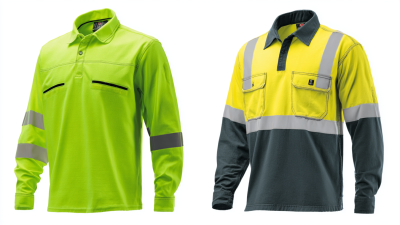
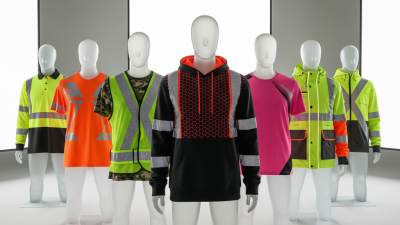
In today's fast-paced and often hazardous work environments, safety should be a top priority. One essential item for ensuring visibility and protection is Hi Vis Shirts. These shirts come in various styles and materials, tailored for different tasks and conditions. Choosing the right Hi Vis Shirts can make a substantial difference in both visibility and comfort.
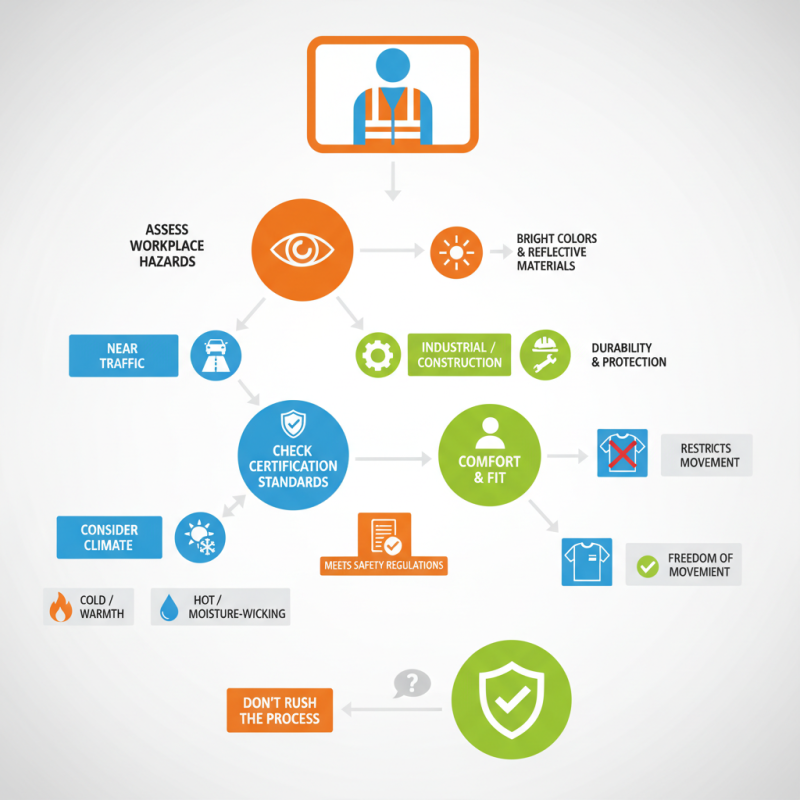
When selecting Hi Vis Shirts, consider the specific hazards of your workplace. For instance, if working near traffic, bright colors and reflective materials are crucial. It's vital to check certification standards. The best shirts should meet safety regulations. Always look for comfort and fit, as well. An ill-fitting shirt can restrict movement.
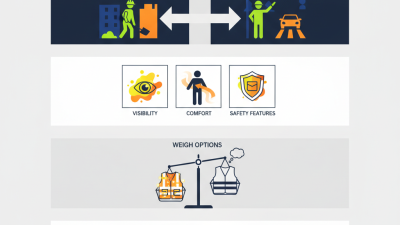
Moreover, think about the climate where you work. Some Hi Vis Shirts are designed for warmth, while others offer moisture-wicking properties. With numerous options available, making the right choice can feel overwhelming. Don't rush the process. Prioritize safety and practicality over trends. Reflect on what works best for your needs and environment.
Understanding the Importance of High Visibility Shirts for Safety
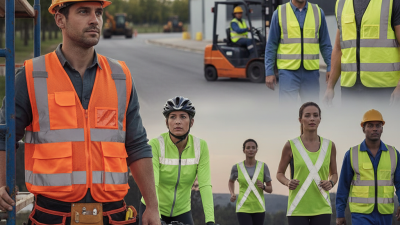
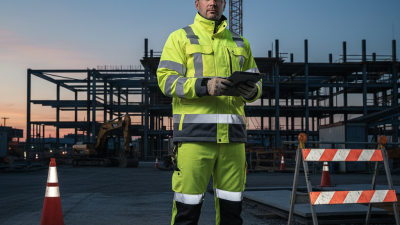
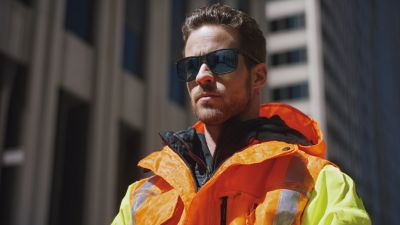
High visibility shirts play a crucial role in maintaining safety in various work environments. These shirts are designed with bright colors and reflective materials. They ensure that workers are easily seen by others, especially in low-light conditions. Visibility is essential on construction sites or road work areas where heavy machinery operates. A well-designed high visibility shirt can prevent serious accidents.
The use of high visibility apparel is not just a recommendation; it is often a requirement. Employers are responsible for maintaining safety standards. Workers depend on visible clothing to signal their presence. However, not all shirts are equally effective. It is important to consider factors like fabric type, reflectiveness, and fit. Some shirts may not provide adequate coverage or comfort. Investing in quality apparel is critical.
Reflection on these points is necessary. Choosing the right high visibility shirts can be overwhelming. Many options flood the market, and not all meet the safety standards. It’s worth considering the long-term benefits of reliable safety gear. By prioritizing visibility, workers can safeguard themselves and create a safer work environment overall.
Importance of High Visibility Shirts in Safe Work Environments
Choosing the Right Material and Fabric for High Visibility Shirts
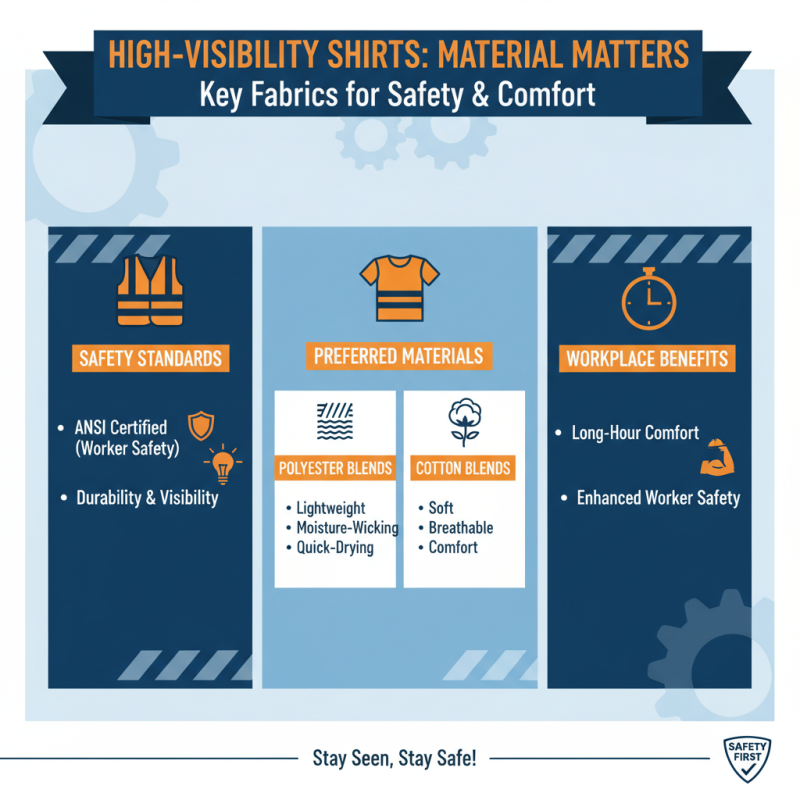
Choosing the right material for high visibility shirts is essential for safety in various work environments. According to the American National Standards Institute (ANSI), the fabric's durability and visibility significantly influence worker safety. Many industries prefer polyester or cotton blends. These materials are not only lightweight but also moisture-wicking. They provide comfort during long hours of wear.
High visibility shirts are often constructed with reflective strips. These additions enhance visibility in low-light conditions. A study by the National Institute for Occupational Safety and Health (NIOSH) indicates that proper visibility reduces the risk of accidents by up to 30%. However, not all fabrics are created equal. Some may fade or wear out quickly, compromising safety. Choosing a high-quality, durable fabric is crucial.
Ultimately, the choice of material impacts both comfort and safety. It's essential to consider factors like breathability and ease of maintenance. While many options exist, ensuring compliance with safety standards is non-negotiable. Balancing visibility and fabric durability can be challenging, yet it's vital for worker protection. An informed decision contributes to a safer work environment.
Evaluating ANSI Standards and Certifications for Visibility Apparel
When selecting high visibility shirts, understanding ANSI standards is crucial. The American National Standards Institute (ANSI) sets guidelines for visibility apparel, ensuring worker safety in any environment. Apparel must meet specific criteria for color, reflectivity, and design. ANSI classifies garments into categories based on the level of visibility they provide. Class 1 is the lowest, often insufficient for higher-risk situations. Class 3 offers the highest visibility, ideal for roadwork or emergency response.
Look for labels that indicate compliance with ANSI/ISEA 107 standards. This label provides assurance that the shirt meets visibility requirements. Different industries have varying needs, and knowing the level your sector requires is vital. Workers exposed to moving vehicles or machinery should prioritize Class 3 gear, while those in less hazardous settings might only need Class 1.
It’s essential to check how the shirt fits and performs in real conditions. Some garments may not offer the same visibility when wet or in dim lighting. Also, consider how long the reflective strips last; wear and tear can diminish safety effectiveness. Testing shirts in various work scenarios can help ensure they meet your safety needs reliably. Remember, investing in proper visibility apparel can significantly enhance safety in hazardous environments.
How to Buy High Visibility Shirts for Safe Work Environments?
| Feature |
Description |
ANSI Standard |
Color Options |
Usage Environment |
| Type R Class 2 |
Designed for use near vehicular traffic. |
ANSI/ISEA 107-2015 |
Yellow, Orange |
Road construction, traffic control |
| Type R Class 3 |
Provides the highest level of visibility for workers in high-risk areas. |
ANSI/ISEA 107-2015 |
Lime, Red |
Emergency responders, construction zones |
| Type P Class 2 |
Intended for public traffic areas like parking lots. |
ANSI/ISEA 107-2015 |
Orange, Pink |
Event staff, parking attendants |
| Reflective Stripes |
Enhances visibility during low light conditions. |
ANSI/ISEA 107-2015 |
- |
Nighttime work, dimly lit areas |
Selecting Appropriate Styles and Sizes for Your Work Environment
Selecting the right styles and sizes for high visibility shirts is crucial for safety in various work environments. Studies indicate that visibility can enhance safety by up to 60% in active job sites. Workers wearing appropriate gear are less likely to be involved in accidents. This makes selecting the proper styles vital.
Different work environments call for different styles. Construction sites, road work, and warehouse jobs each have unique visibility needs. Long-sleeve shirts may be more suitable for outdoor work in colder climates, while short-sleeve options can provide comfort in warmer conditions. Additionally, color plays a significant role. Bright colors like neon yellow or orange are the most effective.
Size is another critical factor. Ill-fitting shirts can hinder movement and reduce safety. According to ergonomic studies, 30% of workplace accidents occur because of improperly fitted gear. Ensure that shirts offer enough room for layering without becoming baggy. Proper size helps maintain comfort and effectiveness. When selecting shirts, consider these aspects to create a safer work environment.
Tips for Maintaining and Caring for High Visibility Shirts
Maintaining and caring for high visibility shirts is essential for safety. Regular washing is crucial. Use cold water and a mild detergent to preserve the reflective materials. Avoid bleach, as it can damage the visibility features.
Inspect the garments regularly for wear and tear. Look for fraying edges or fading colors. If the fabric shows signs of damage, consider replacing it to ensure optimum safety.
Storage is also important. Hang these shirts in a cool, dry place. Avoid leaving them in direct sunlight. Extended exposure can reduce their bright colors. Ironing is a common issue; never use high heat settings. Instead, opt for a low setting if necessary. These small steps can prolong the life of your shirts. Remember that caring for safety gear is just as crucial as wearing it.
However, not everyone understands the importance. Some may not realize the impact of a faded shirt. If visibility decreases, so does safety. A high visibility shirt is not just an item of clothing; it is a vital tool. With proper care, these shirts can effectively protect workers in hazardous environments.