How to Choose the Best Safety Vest for Your Needs?
Choosing the right safety vest can significantly impact worker safety. According to John Smith, an expert in occupational health and safety, "A proper safety vest is essential for visibility and protection." Selecting the best safety vest requires understanding various factors.
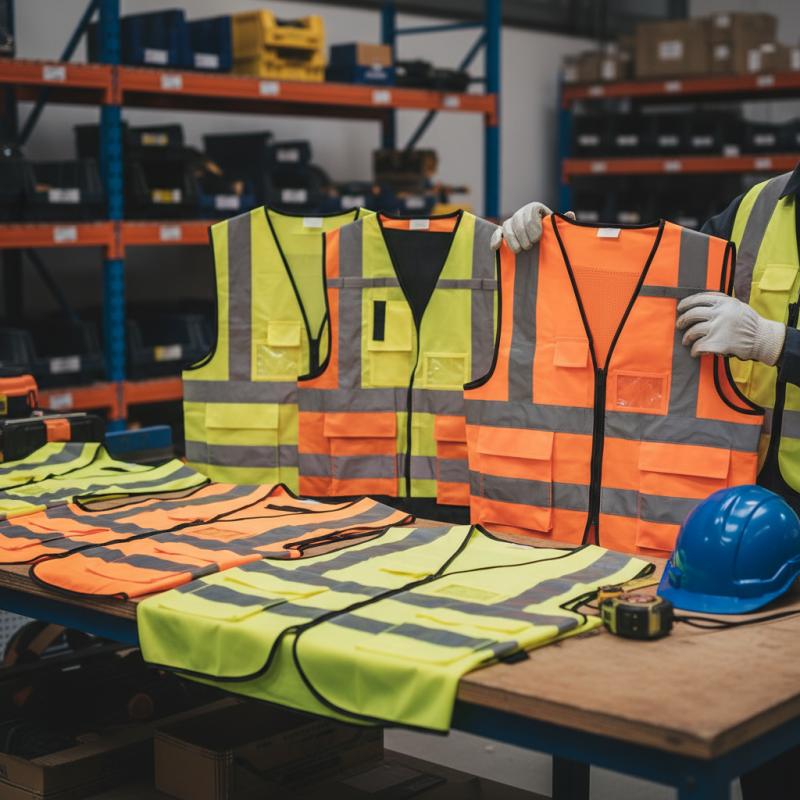
Quality, material, and safety standards are critical. Safety vests come in various styles and colors. Each design serves a specific purpose. Reflective materials enhance visibility, especially at night or in poor weather.
Many people overlook comfort and fit. An ill-fitting vest can hinder movement and, ultimately, safety. Ensure the vest meets your needs while providing comfort. Take the time to research and reflect on what works best for your environment. Making an informed choice is vital for ensuring your safety and effectiveness on the job.
Understanding the Different Types of Safety Vests Available
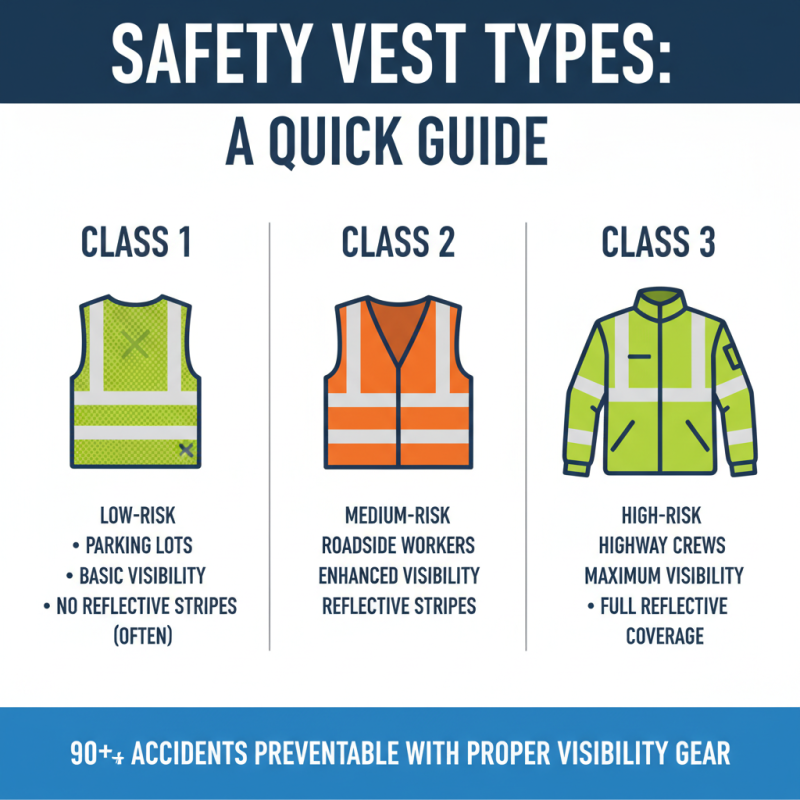
When choosing a safety vest, understanding the types available is crucial. Safety vests come in various styles, including class 1, class 2, and class 3. Class 1 vests are designed for low-risk environments, like parking lots. They provide basic visibility but lack the reflective capability needed in high-risk areas. Studies show that over 90% of workplace accidents can be prevented with proper visibility gear.
Class 2 vests offer a balance of visibility and comfort. They are ideal for work zones and areas with traffic. These vests, made with lighter materials, ensure breathability. In fact, data from the Bureau of Labor Statistics indicates that wearing class 2 apparel can reduce accident rates by 25%.
Class 3 vests are the most visible, designed for high-risk environments. They feature extensive reflective tape and are often used by road workers, emergency responders, or construction teams. Selecting the right class based on your working conditions is vital.
Tips: Always try on vests to check for a comfortable fit. Ensure the vest allows freedom of movement. Regularly check the reflectivity of your vest—faded materials offer less protection. Evaluate your work environment to choose the appropriate class for safety.
Key Features to Consider When Selecting a Safety Vest
Selecting a safety vest requires careful consideration of several key features. Visibility is paramount. Look for vests with bright colors and reflective strips. These elements enhance visibility in low-light conditions. Reflective materials should cover a significant area. This ensures that the wearer stands out in various environments.
Size and fit are equally important. A vest that is too loose may snag on equipment. Conversely, a tight fit can restrict movement. Opt for adjustable features, such as straps or Velcro closures. This allows for a snug yet comfortable fit. Always try on different styles to see what works best for you.
Material quality affects durability and comfort. Lightweight, breathable fabrics are ideal for hot days. However, they should also withstand wear and tear. Look for vests that offer protection against the elements. Waterproof or water-resistant options can be beneficial in rainy conditions. A high-quality vest can be a reliable safety tool. It’s worth investing time to find the perfect fit and features.
Choosing the Right Size and Fit for Optimal Comfort
Choosing the right size and fit for a safety vest is crucial for ensuring optimal comfort and functionality. According to the American National Standards Institute (ANSI), a proper fitting vest not only enhances visibility but also allows for ease of movement. This is especially important for those working in high-risk environments. A vest that constricts movement can lead to accidents and injuries.
It’s essential to measure your torso accurately. Use a measuring tape around your chest and waist to get the correct size. Be aware that different manufacturers might have slight variations in their sizing charts. A poorly fitted vest often results in discomfort or distraction, which can impair focus on tasks.
**Tips:** Always try the vest on before purchasing. Ensure you can wear it over any work clothing comfortably. Adjustability is key; look for vests with adjustable straps for a custom fit.
Breathability also impacts comfort. Materials like mesh can enhance airflow. As stated in a report by the Occupational Safety and Health Administration (OSHA), comfortable gear increases compliance with safety regulations. Uncomfortable vests tend to be abandoned at the workplace.
**Tips:** Consider layering if working in extreme weather conditions. A snug, yet flexible fit is ideal for staying safe and comfortable.
Evaluating Material and Reflectivity for Safety Standards
When choosing a safety vest, evaluating the material and reflectivity is crucial. A vest made from durable, lightweight fabric ensures comfort and protection. Look for options that incorporate high-visibility colors like fluorescent yellow or orange. These colors help workers stand out in various environments, especially in low-light conditions.
Reflective strips are vital for visibility. Consider vests with retroreflective tape, as it reflects light back to its source. This is especially important for night work or areas with heavy vehicle traffic. The more reflective material, the better, but check for quality. Some cheaper options may wear quickly, losing their effectiveness.
While many vests claim to meet safety standards, it’s essential to research these claims. Not all safety vests are created equal. Sometimes, what seems perfect in design may lack in real-world usability. Always test how a vest feels during movement, as mobility can impact safety in critical situations. Prioritize vests that balance comfort, durability, and visibility for the best protection.
How to Choose the Best Safety Vest for Your Needs? - Evaluating Material and Reflectivity for Safety Standards
| Vest Type |
Material |
Reflectivity Level |
Durability |
Weather Resistance |
| Class 2 Safety Vest |
Polyester |
Prismatic Reflective Tape |
High |
Yes |
| Class 3 Safety Vest |
Mesh Fabric |
High Visibility Tape |
Medium |
Yes |
| Breakaway Safety Vest |
Nylon |
Standard Reflective Tape |
Moderate |
No |
| Surveyor's Vest |
Cotton Blend |
Reflective Strips |
High |
Sometimes |
| Fire Resistant Vest |
FR Treated Fabric |
Flame Retardant Reflective Tape |
Very High |
Yes |
Assessing Work Environment and Visibility Requirements
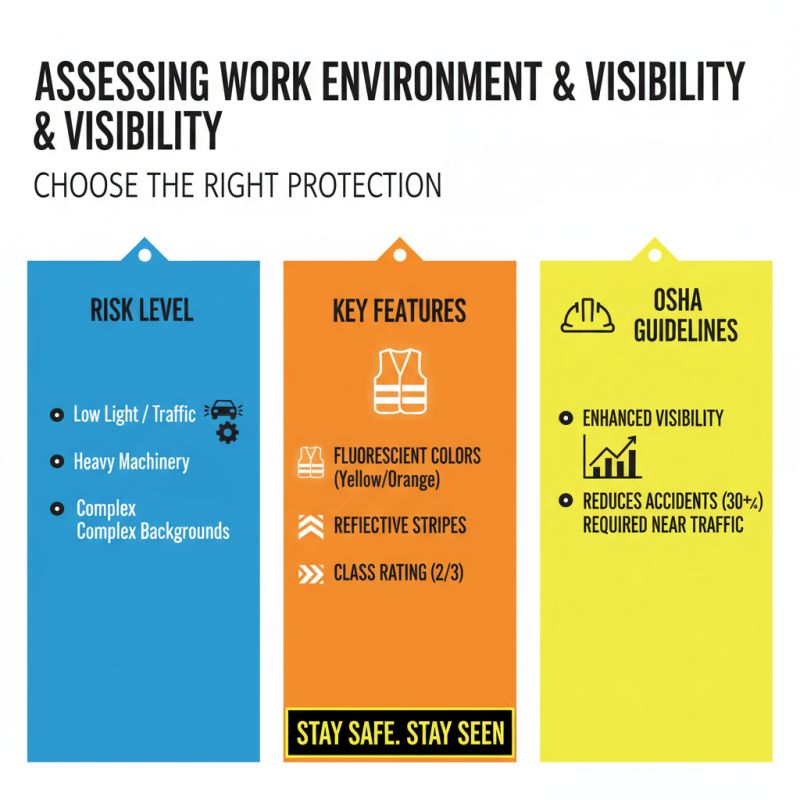
Choosing the right safety vest is crucial for ensuring visibility in various work environments. The level of visibility required can depend significantly on the specific hazards present. According to the Occupational Safety and Health Administration (OSHA), reflective materials markedly enhance visibility, especially in low-light conditions. For instance, workers exposed to traffic should wear vests with high visibility colors like fluorescent yellow or orange. Studies indicate that proper high-visibility gear can reduce accident rates by over 30%.
The work environment determines the type of vest needed. Construction sites often present unique challenges. Here, a safety vest with additional pockets for tools might be essential. Conversely, environments with heavy machinery require vests that conform to stricter ANSI standards. Data shows that compliance with ANSI/ISEA 107 standards leads to a significant decrease in workplace accidents. However, many workers still underestimate the importance of proper gear, relying instead on personal judgment about visibility.
Reflecting on these factors can lead to better choices. A vest suited for one environment might not suffice in another. Variability in tasks and surroundings should prompt a reevaluation. Each job poses distinct risks, highlighting the need for tailored safety gear. Understanding these nuances is vital for enhancing safety and protecting lives in diverse workplaces.