Why Choose Safety Jackets for Maximum Protection and Comfort?
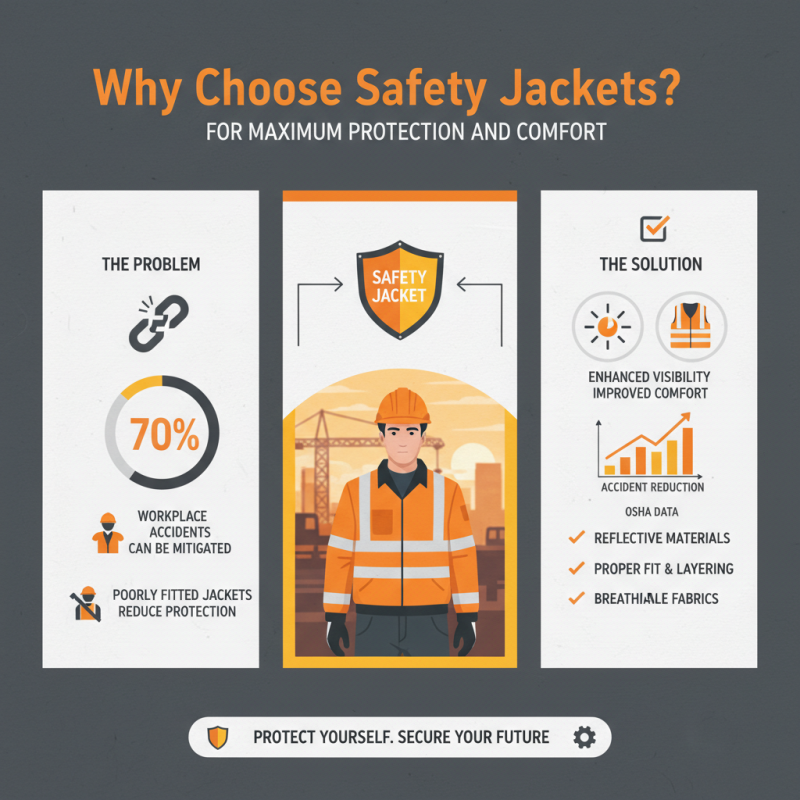
In the realm of workplace safety, the importance of personal protective equipment (PPE) cannot be overstated. A stunning 70% of workplace accidents can be mitigated with proper safety measures, according to the National Safety Council. Among these measures, the Safety Jacket emerges as an essential tool for enhancing visibility and protection in hazardous environments.
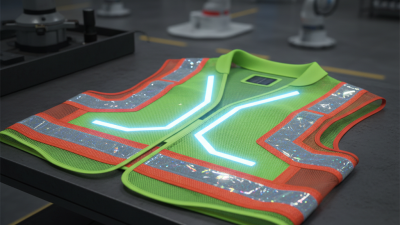
These jackets are designed to be both functional and comfortable. Many models include reflective strips, which enhance visibility in low-light conditions. Data from the Occupational Safety and Health Administration (OSHA) highlights that high-visibility clothing significantly reduces the likelihood of accidents. However, not all safety jackets are created equal. Factors such as materials, fit, and usability play a crucial role in their effectiveness.
Yet, many workers overlook the importance of selecting the right Safety Jacket. A poorly fitted jacket can limit mobility and reduce comfort, ultimately diminishing its protective capabilities. Industry experts recommend choosing jackets that accommodate layering and feature breathable materials. As the statistics show, improving safety measures is not just a best practice; it's a necessity for preventing injuries and ensuring a secure work environment.
The Importance of Safety Jackets in Hazardous Work Environments
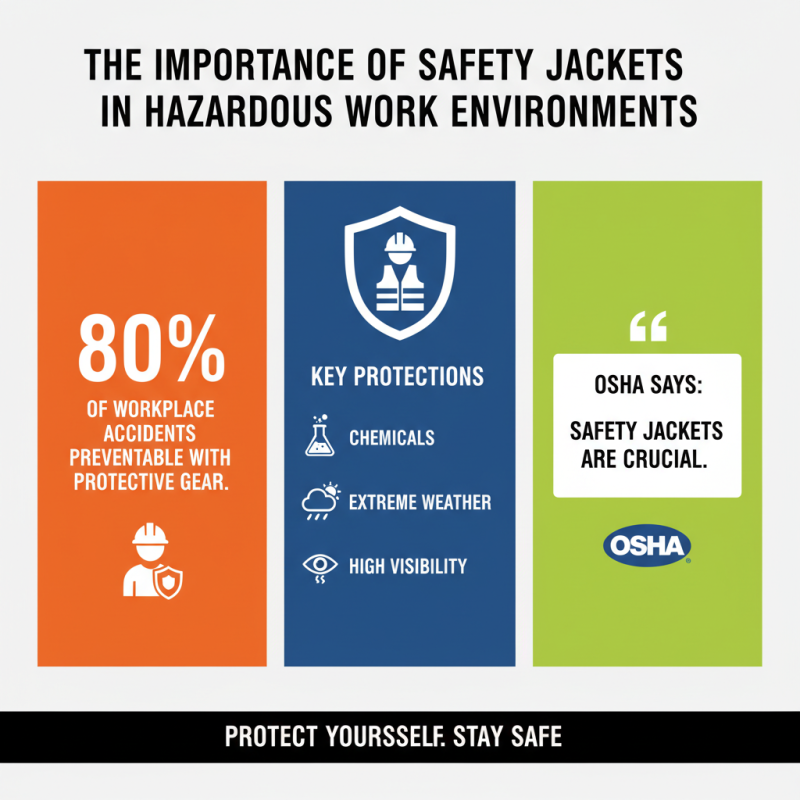
In hazardous work environments, safety jackets play a pivotal role in protecting workers. According to the Occupational Safety and Health Administration (OSHA), about 80% of workplace accidents can be prevented with the right protective gear. Safety jackets are designed to shield workers from potential hazards such as chemicals, extreme weather, and high visibility requirements.
Many industries are recognizing the importance of investing in quality safety jackets. A study by the National Safety Council reported that injuries related to inadequate protective clothing in hazardous environments can lead to direct costs exceeding $40 billion annually. This statistic highlights the urgent need for proper safety measures. Comfort is also essential; workers usually perform better when they feel secure and unrestricted in their movements.
However, selecting the right jacket can be challenging. Many options exist, but not all are created equal. Some might lack critical features like waterproofing or breathability, affecting worker performance. It’s crucial to consult safety experts when making decisions. Ensuring proper fit and function should be prioritized beyond just purchasing decisions. Assessing workplace risk factors can help in choosing the appropriate safety gear.
Key Features of Safety Jackets Enhancing Protection and Comfort
Safety jackets are crucial for workplace protection and comfort. They serve multiple purposes, including visibility, warmth, and safety from environmental hazards. Research shows that high-visibility jackets can reduce accident rates by up to 30% in construction zones. This statistic underscores their importance in ensuring safety for workers in hazardous conditions.
Key features of safety jackets enhance their protective qualities and comfort. Many jackets are made from breathable materials, allowing airflow while maintaining protection from harsh elements. The incorporation of reflective strips adds significant visibility at night. According to industry studies, reflective clothing boosts visibility by 200% in low-light situations. Additionally, adjustable features like cuffs and waistbands ensure a tailored fit, which is vital for ease of movement during tasks.
However, there are areas for improvement. Some safety jackets may not withstand extreme temperatures or prolonged exposure to weather. Comfort levels vary among different designs and materials, and workers may struggle to find the right fit. Despite advancements, ongoing feedback from wearers is essential for evolving jacket designs and maximizing their protective and comfort potential in the field.
Why Choose Safety Jackets for Maximum Protection and Comfort? - Key Features of Safety Jackets Enhancing Protection and Comfort
| Feature |
Description |
Benefits |
| High Visibility |
Bright colors and reflective strips to increase visibility in low-light conditions. |
Enhances safety by making the wearer easily recognizable to others. |
| Durable Material |
Made from high-quality, wear-resistant fabrics. |
Offers longevity and reduces the frequency of replacement. |
| Water Resistance |
Fabric treated to repel water. |
Keeps the wearer dry and comfortable in wet conditions. |
| Breathability |
Materials that allow air to circulate while keeping moisture away. |
Prevents overheating and maintains comfort during physical activity. |
| Adjustable Features |
Includes adjustable straps and closures for a snug fit. |
Improves the overall comfort and usability of the jacket. |
Industry Standards and Certifications for Safety Jackets Explained
When selecting safety jackets, understanding industry standards is crucial. Safety jackets must meet rigorous standards set by organizations like ANSI and ISO. For instance, ANSI/ISEA 107 establishes performance criteria for high visibility garments, ensuring that workers are visible in low-light conditions. According to a report by the Bureau of Labor Statistics, approximately 20,000 workers suffer from injuries related to visibility issues each year. Properly certified jackets can significantly reduce this risk.
Additionally, jackets labeled with EN 20471 meet European visibility regulations. These standards dictate material types and garment designs to enhance safety in hazardous environments. A lack of understanding or oversight regarding these certifications could lead to dangerous gaps in worker protection. Workers often report feeling uncomfortable in poorly designed or substandard jackets. The right combination of comfort and safety is essential for optimal performance.
Beyond visibility, safety jackets should also address other environmental factors. Waterproof materials can keep workers dry, while breathable fabrics can prevent overheating. The balance between comfort and protective features is often overlooked but is critical for wearability. Workers may prefer comfort, risking compliance with safety measures. It's necessary to evaluate these aspects to ensure safety jackets provide effective protection without compromising user comfort.
Statistics on Workplace Injuries Prevented by Proper Safety Apparel
In workplaces, safety jackets play a crucial role in injury prevention. According to recent studies, proper safety apparel reduces workplace injuries significantly. Statistics reveal that high-visibility clothing can prevent accidents in hazardous environments. A staggering number of workers who wear safety jackets report feeling more secure on the job.
Choosing the right safety jacket is essential. Look for options that meet industry standards. Ensure it fits well and is comfortable for long hours. Bright colors and reflective materials enhance visibility. Remember, the more visible you are, the safer you stay.
Tip: Regularly inspect your safety jacket for wear and tear. Replace damaged items promptly. Staying proactive about safety gear is vital. Evaluate the performance of your safety apparel often. It's better to be critical and reflective than to overlook potential hazards in your work environment.
Why Choose Safety Jackets for Maximum Protection and Comfort?
Statistics on workplace injuries prevented by proper safety apparel demonstrate the importance of safety jackets in promoting worker safety. The following chart illustrates the percentage of injury reductions based on the use of safety jackets in various industries.
Choosing the Right Material for Optimal Safety Jacket Performance
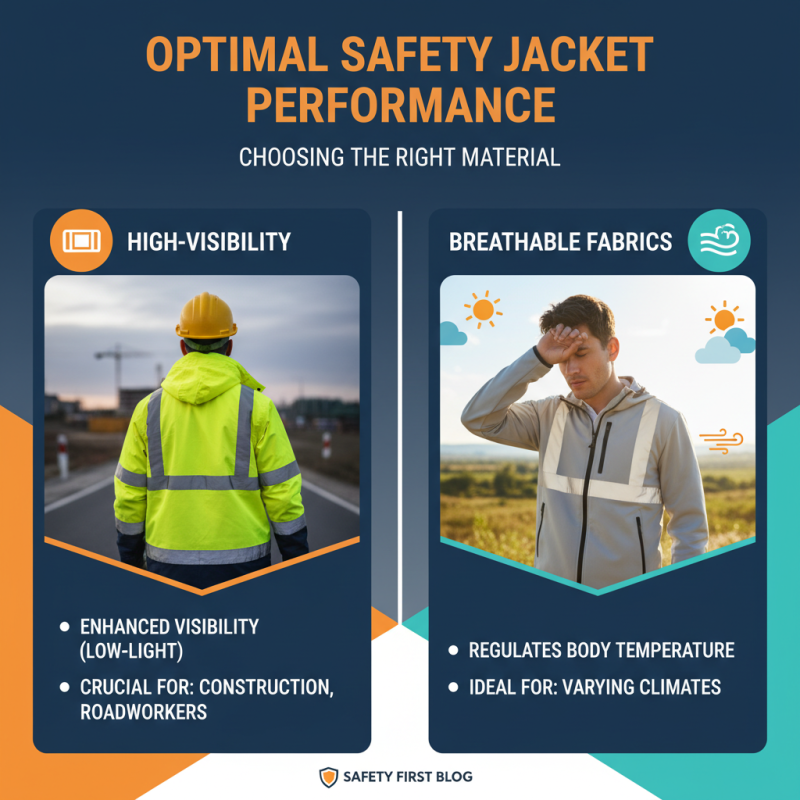
When selecting a safety jacket, the material plays a crucial role in both protection and comfort. High visibility materials enhance visibility in low-light conditions, which is essential for workers in construction or roadwork. Meanwhile, breathable fabrics help regulate body temperature. This is significant for those who work in climates with varying temperatures.
The choice of insulation is another critical factor. Some jackets use synthetic materials that provide warmth without bulk. It’s important to assess the jacket's weight versus warmth ratio. A heavy jacket may harass mobility and could lead to fatigue. Additionally, reflective strips increase safety. However, they should complement the jacket's design rather than detract from it.
Durability is a key consideration, too. Jackets made from specialized fabrics resist wear and tear from environmental factors. Yet, not all durable jackets offer comfort. Finding a balance can be challenging. Some materials may feel rigid against the skin, impacting long-term wear. Workers need to test different options to ensure both comfort and safety are met. This balance is often overlooked, but it can make a significant difference on the job.