Leave Your Message

How to Choose a Safety Vest for Global Buyers?

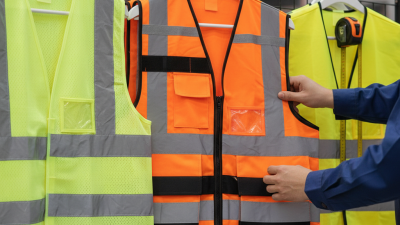
Choosing A Safety Vest for global markets requires more than selecting a bright color. The right vest must support visibility, comfort, durability, and documented performance. Buyers should examine work conditions before comparing suppliers. A road crew needs different protection from warehouse pickers or airport ground staff. Consider traffic speed, lighting, weather, garment layers, and daily movement. Small details matter. Reflective tape should remain visible after repeated washing. Stitching should resist pulling at the shoulders and side seams. Fabric should feel breathable during long shifts, not merely look impressive in a product photograph.

Safety researcher James Reason wrote, “We cannot change the human condition, but we can change the conditions under which humans work.” This principle helps global buyers evaluate A Safety Vest realistically. A vest cannot remove every workplace hazard. It can improve recognition when designed for the actual environment. Experienced purchasing teams should request test reports, material specifications, size charts, washing instructions, and production samples. They should also confirm whether claimed standards apply to their destination market. Requirements differ between regions, industries, and use cases. A supplier’s certificate deserves careful review, not automatic trust.

Price still matters.

Yet the cheapest vest may create replacement costs, discomfort, or poor worker acceptance. I have seen buyers focus heavily on color and overlook heat buildup under the arms. That mistake is easy to repeat. A thoughtful comparison should include total service life, customization quality, delivery reliability, and inspection procedures. No selection is perfect. The strongest decision is a documented compromise, tested by real users before large-scale purchasing.

How to Choose a Safety Vest for Global Buyers?

Safety Vest Types and Their Intended Uses

How to Choose a Safety Vest for Global Buyers?

Safety vest selection starts with the work, not the color. The International Labour Organization estimated 2.93 million work-related deaths annually in its 2023 report. Visibility cannot prevent every incident, but it can improve worker recognition near vehicles and moving equipment.

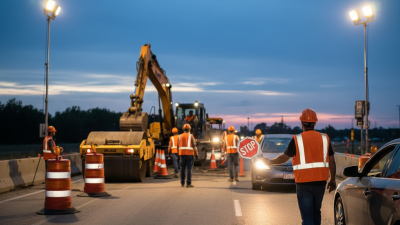
For road construction, choose a high-visibility vest designed for roadway exposure. ANSI/ISEA 107-2020 separates garments into Type O, Type R, and Type P categories. Type O suits off-road environments, while Type R supports roadway work. Type P serves emergency and public-safety personnel.

EN ISO 20471 uses Classes 1, 2, and 3, with Class 3 providing the highest visibility area. Global buyers should match the vest to local standards, traffic speed, and lighting conditions.

Mesh vests work well in hot warehouses and summer construction. Solid fabric offers greater coverage during wind or rain. Breakaway vests can reduce snagging risks around machinery, but they may not suit every task.

Flame-resistant designs belong near controlled heat or ignition hazards, subject to certified fabric testing. Insulated vests help in cold regions, although bulky layers can hide reflective bands. That detail is often missed.

Check reflective tape width, stitching, closures, wash performance, and size range. Ask for test reports and fabric composition. A vest that looks bright indoors may perform poorly under headlights. I would not rely on appearance alone. Standards, field conditions, and worker comfort must be reviewed together.

Key Safety Standards for Global Markets

How to Choose a Safety Vest for Global Buyers?

Key Safety Standards for Global Markets

A safety vest should match the worksite, climate, and destination market. Visibility rules differ across regions, so one design may not satisfy every buyer. In the United States, ANSI/ISEA 107 commonly defines vest types, performance classes, background material, and retroreflective coverage. European buyers often look for EN ISO 20471, which evaluates visibility in daylight and under vehicle headlights. Australia and New Zealand may require AS/NZS 4602.1 for high-visibility garments. Check the current edition before ordering.

Look closely at the compliance evidence. Request a complete test report, certificate details, fiber composition, garment classification, and care instructions. A printed standard number is not enough. The report should identify the actual fabric, reflective tape, color, and garment model. Confirm whether the vest is classified for roads, construction zones, rail environments, or lower-risk workplaces. These applications can require different visibility levels.

Fit also affects safety. A loose vest may catch on equipment, while a tight vest can cover reflective areas. Measure over the worker’s normal jacket, especially in cold regions. Inspect stitching, zipper strength, tape width, and color after washing. Bright fabric can fade quickly in strong sunlight. It can still look acceptable but perform poorly at night. That is an easy detail to miss. Buyers should test sample garments through realistic washing and wear cycles, not only review paperwork.、】【

How to Choose a Safety Vest for Global Buyers?

Key Safety Standards for Global Markets

How to read the chart: EN ISO 20471 defines minimum visible areas for fluorescent background material and retroreflective material. Higher visibility classes generally require greater coverage and stricter garment design requirements.

For global purchasing, verify the destination-market route before ordering. EN ISO 20471 is commonly used in Europe and many international markets, while ANSI/ISEA 107 is used in the United States and AS/NZS 4602.1 applies in Australia and New Zealand. These standards are not automatically interchangeable, so certification, material performance, garment design, and labeling should all be checked.

Reference basis: EN ISO 20471 minimum visible-material areas. Values are shown in square metres.

How to Select the Right Vest Material and Visibility Class

Choosing vest material and visibility class starts with the work environment, not the lowest quotation. The U.S. Bureau of Labor Statistics reported 1,495 fatal work injuries in transportation and material-moving occupations in 2023. Visibility remains a practical control, especially near vehicles, loading bays, and low-light roads.

ANSI/ISEA 107-2020 divides high-visibility apparel into Classes 1, 2, and 3. Class 1 suits controlled traffic areas, while Class 3 provides the greatest visible body coverage. European buyers should also check EN ISO 20471, which uses visibility Classes 1 to 3.

Material affects comfort and service life. Polyester mesh improves airflow in hot warehouses, but open construction may offer less protection against wind and abrasion. Solid polyester handles rough handling better, although it can feel heavy during long shifts.

Fluorescent yellow or orange fabric works during daylight. Retroreflective tape returns light toward vehicle operators at night. Check tape width, contrast, stitching, and performance after washing. A compliant label is not enough.

Tips: Match the class to traffic speed, worker movement, and background clutter. Request test reports, wash-cycle results, and fabric composition before purchasing. Inspect one sample after repeated washing and bending. It may look less impressive afterward. That is useful evidence.

The International Labour Organization also emphasizes risk assessment and suitable personal protective equipment, rather than relying on one garment alone. A mesh vest can be comfortable, but comfort does not replace visibility. Temperature, rain, local standards, and replacement schedules deserve equal attention.

Sizing, Comfort, and Design Features to Evaluate

How to Choose a Safety Vest for Global Buyers?

Sizing is the first practical test. Measure the wearer over the clothing used on site, not over a thin shirt. ANSI/ISEA 107-2020 separates visibility garments into Types O, R, and P, with different workplace applications. A vest that fits loosely may snag on equipment. One that fits tightly can restrict shoulder movement. Leave enough room for winter layers. Still, oversized vests often shift reflective bands away from their intended position.

Comfort affects whether workers wear the garment correctly. Choose breathable mesh panels, smooth seams, and lightweight closures. The European standard ISO 20471 specifies minimum visible areas for background and retroreflective materials.

Class 3 garments require at least 0.80 square metres of fluorescent background material and 0.20 square metres of reflective material. These figures help buyers compare designs, but they do not measure heat stress or daily comfort. That gap deserves attention.

Design details should match the task. Wide horizontal bands improve recognition, while vertical bands can outline the torso during movement. Check pocket placement, radio loops, zipper strength, and washing instructions. The U.S. Bureau of Labor Statistics reported 2.6 million nonfatal workplace injuries and illnesses in private industry during 2023. A vest cannot prevent every incident, but poor visibility or poor fit may add avoidable risk. Ask suppliers for size charts, test samples, material certificates, and documented performance results. Photos are not enough.

Supplier Verification, Customization, and Import Considerations

How to Choose a Safety Vest for Global Buyers?

Supplier verification should begin with evidence, not attractive product photos. Request recent test reports, factory records, material specifications, and production samples. Check whether the report matches the exact vest, fabric, reflective tape, and size range. ISO 20471:2013 provides performance requirements for high-visibility clothing, but a certificate alone does not prove consistent production. The International Labour Organization estimated 2.93 million work-related deaths and 395 million non-fatal injuries globally in 2019. Visibility is only one part of workplace protection.

Customization needs practical control. Confirm vest color, reflective-tape width, pocket placement, closure type, logo method, and washing instructions before sampling. Ask for dimensional tolerances. A two-centimeter change can affect comfort and visibility. Small trial orders can reveal sewing weakness, uneven tape, and poor color matching. Do not trust one perfect sample. Factory variation remains possible, especially after bulk production. Independent inspection before shipment is useful, though it can still miss long-term durability problems.

Import planning should happen before payment. Verify the destination market’s labeling, packaging, language, testing, and conformity requirements. ANSI/ISEA 107-2020 may apply in the United States, while European buyers may need compliance with PPE Regulation (EU) 2016/425. Confirm the correct HS classification with a customs professional, because classification and duty rates vary by product details. Keep commercial invoices, packing lists, test documents, and purchase specifications aligned. One overlooked document can delay a container. Supplier promises are not enough. Written records matter.