How to Choose the Best Hi Vis Jacket for Your Needs?
Choosing the right Hi Vis Jacket can be a challenge. With so many options available, how do you know what suits your needs? High visibility jackets are essential for safety in various environments. They ensure you are seen, especially in low-light conditions.
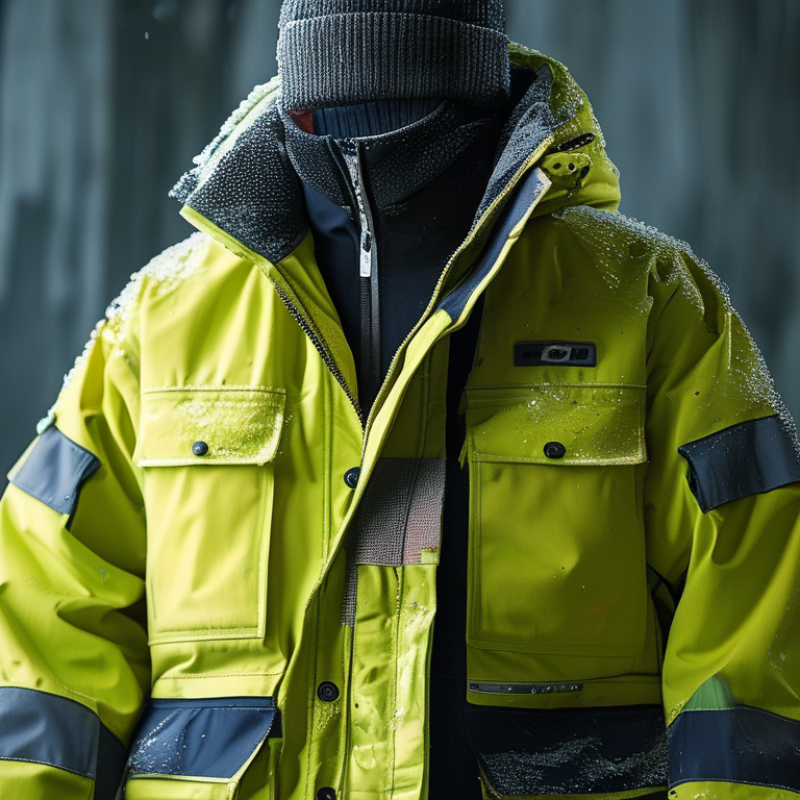
When selecting a Hi Vis Jacket, consider the specific conditions in which you will be working. Do you need waterproof features? How about insulation for colder days? The material matters too. Breathable fabrics can keep you comfortable during active tasks. Yet, durability should not be overlooked.
It’s also important to reflect on the fit. A poorly fitting jacket can hinder movement, negating many safety benefits. Take the time to try different sizes. This attention to detail can greatly enhance your experience and safety on the job. Always remember: the right choice will provide safety and comfort in equal measure.
Understanding Different Types of Hi Vis Jackets Available in the Market
Hi Vis jackets are essential for visibility and safety in various work environments. Understanding the types available helps in making an informed choice. Typically, there are three main categories: Class 1, Class 2, and Class 3 jackets. Class 1 offers basic visibility, suitable for low-traffic areas. Class 2 provides more coverage, ideal for moderate risks. Class 3 jackets deliver the highest visibility, perfect for high-traffic zones. According to the ANSI/ISEA 107 standard, higher class jackets are necessary for specific jobs to enhance safety.
When selecting a Hi Vis jacket, consider the fabric and features. Many jackets include reflective stripes, enhancing visibility in low-light conditions. Fabrics can vary too. Some are water-resistant, while others are breathable. These details matter on demanding job sites. A report by the National Safety Council indicates that 73% of workplace accidents occur in areas with limited visibility.
**Tips**: Always try the jacket for comfort. Ensure it is not too loose or tight, as this can impact movement. For cold environments, look for insulated options. This enhances safety without sacrificing warmth. Regularly checking for wear and tear can also prevent unexpected mishaps.
Key Features to Consider When Selecting a Hi Vis Jacket
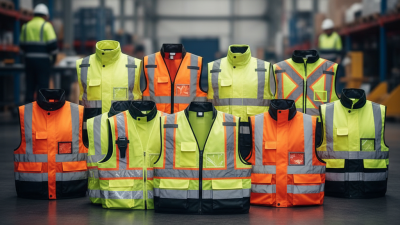
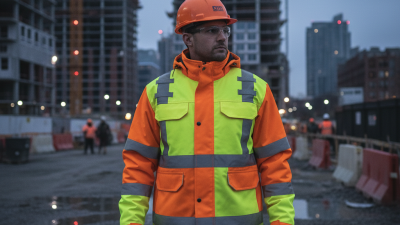
Choosing the right hi vis jacket can be a daunting task. There are several key features to consider. First, the material should be durable yet breathable. This balance keeps you comfortable during long hours of wear. You might find lightweight options that still comply with safety standards. Reflective strips are crucial; they enhance visibility in low-light conditions. Look for jackets with high-visibility colors, like neon yellow or orange.
Fit is another vital aspect. An ill-fitting jacket can restrict movement, making it hard to work effectively. Consider adjustable features such as cuffs and hems. Some jackets even offer hidden pockets for tools, which can be practical. Ensure the jacket is waterproof or at least water-resistant if you work outside. Additionally, check for age-related wear and tear; older jackets might not meet current safety standards.
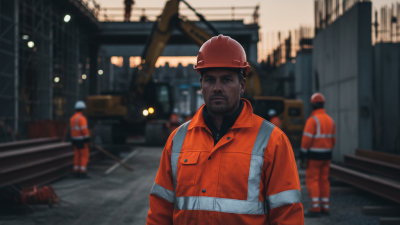
Finally, think about how you will use the jacket. Different jobs have unique requirements. A construction worker may need a sturdier design than someone in logistics. Reflect on your environment and daily tasks. Assessing these points can enhance your safety without sacrificing comfort or practicality.
Visibility Ratings of Hi-Vis Jackets
This chart illustrates the visibility ratings of various classes of hi-vis jackets. Higher classes indicate better visibility performance, which is crucial for safety in low-light environments.
Evaluating Material and Comfort for Your Specific Work Environment
When choosing a hi vis jacket, material and comfort are crucial for your work environment. Different jobs demand specific characteristics from jackets. For instance, construction sites require rugged materials that can withstand wear and tear. On the other hand, jobs in logistics may prioritize breathability and flexibility.
Consider fabrics like polyester or nylon, known for their durability and resistance to fading. Reflective elements enhance visibility, but the fit matters too. A jacket should allow for easy movement. If it’s too tight, it can restrict your range of motion. If it’s too loose, it may snag on equipment.
Pay attention to insulation if you work in colder climates. A jacket with removable linings can provide versatility throughout the seasons. Adjustable features like cuffs and hoods also enable a better fit. However, sometimes options for customization can lead to confusion. It’s essential to balance functionality and comfort without overloading on features that distract from your primary needs. Remember, the right jacket not only keeps you visible but also ensures your comfort during long shifts.
How to Choose the Best Hi Vis Jacket for Your Needs? - Evaluating Material and Comfort for Your Specific Work Environment
| Jacket Type |
Material |
Comfort Level |
Visibility Level |
Weather Resistance |
Best Use Case |
| Type A |
Polyester |
High |
Class 3 |
Water Resistant |
Construction Sites |
| Type B |
Nylon |
Medium |
Class 2 |
Windproof |
Road Work |
| Type C |
Cotton Blend |
Very High |
Class 1 |
Breathable |
Warehouse Use |
| Type D |
Polyester Mesh |
Medium |
Class 3 |
Lightweight |
Outdoor Events |
Determining Appropriate Hi Vis Jacket Classifications for Safety Standards
When choosing a hi-vis jacket, understanding the safety classifications is essential. The American National Standards Institute (ANSI) categorizes hi-vis clothing into three main classes:
Class 1,
Class 2, and
Class 3. Each class has specific requirements based on visibility and the complexity of the surrounding environment.
Class 1 jackets are designed for
low-risk environments. They have minimal reflective materials. This class is suitable for parking lots or warehouses.
Class 2 jackets offer more visibility for workers in
moderate traffic areas, such as roadside construction.
Class 3 jackets provide
the highest visibility, ideal for emergency responders or highway workers. These jackets have more reflective material and are more conspicuous in all conditions.
Tip: Always consider your work environment when selecting a class. For nighttime work or busy streets, opt for Class 3 jackets.
Reflecting on comfort can be vital too. Many workers prioritize
warmth or
breathability. However, choosing comfort over visibility can compromise safety. It's crucial to strike a balance between comfort and the protective features of the jacket.
Tip: Test various models before purchasing. Ensure proper fit and flexibility for movement during your tasks.
Assessing Fit and Functionality for Optimal Performance in Use
Choosing the right hi-vis jacket requires careful consideration of fit and functionality. The jacket must fit well to ensure maximum comfort and flexibility. A poor fit may restrict movement, which can hinder performance. Opt for jackets that offer a range of sizes. If possible, try them on or check size charts, as sizing can vary significantly.
Functionality is equally crucial. Features such as pockets, ventilation, and weather resistance play a vital role in utility. For instance, pockets should be accessible while wearing gloves. Ventilation helps regulate body temperature, especially in active work environments. A jacket that performs poorly in these areas can be frustrating. It might be uncomfortable in cold weather or too warm during physical activities.
Consider your specific needs. Reflect on the environments where you will be using the jacket. Is it mostly outdoors in rainy conditions? Or is the focus on urban traffic visibility? The right choices often require some trial and error. Even experienced users may overlook certain aspects. Discussing with peers can provide new insights and help refine your choice.