Top 10 Hi Vis Vest Options for Global Buyers?
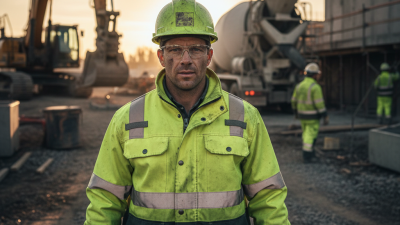
In today's fast-paced world, safety is paramount, especially in hazardous environments. Hi Vis Vest plays a crucial role in ensuring visibility and protection for workers. According to the Bureau of Labor Statistics, over 3 million nonfatal workplace injuries are reported, underscoring the need for effective personal protective equipment. High-visibility apparel, including Hi Vis Vests, significantly reduces accident rates in various industries.
A report by Market Research Future estimates the global high-visibility clothing market will reach $5.12 billion by 2025. This growth highlights the increasing awareness of workplace safety. Different sectors, ranging from construction to emergency services, rely on Hi Vis Vests to remain visible in challenging conditions. The choice of material, reflectivity, and comfort significantly impacts user experience.
While there are numerous options, not all Hi Vis Vests meet safety standards or user needs. The diversity in features can lead to confusion for buyers. Considerations about fit, design, and visibility specifications are essential. Making informed decisions can enhance safety outcomes. As the market evolves, understanding the options available is vital for global buyers aiming for the best in safety gear.
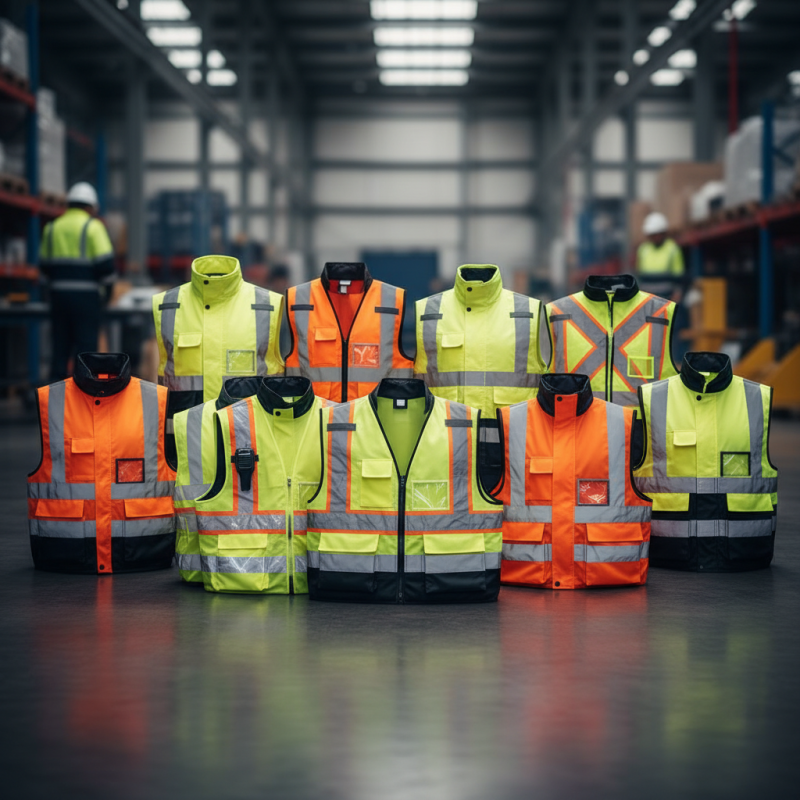
Top Considerations When Choosing Hi Vis Vests for Safety
When selecting hi vis vests for safety, there are several key considerations to keep in mind. The fabric's durability plays a vital role. High-quality materials ensure that the vest can withstand tough working conditions. Look for reinforced stitching and strong zippers. These features enhance longevity, which is particularly important for those in high-risk environments.
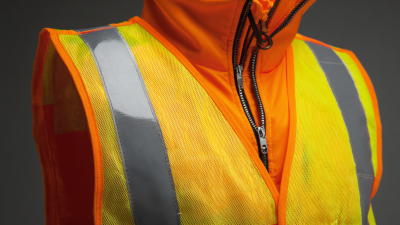
Visibility is another crucial factor. The color of the vest should be bright and highly reflective. This increases the chances of being seen in low light or high traffic areas. Check for compliance with safety standards. Vests should meet industry-specific regulations to ensure maximum safety for the wearer. Different jobs require different levels of visibility.
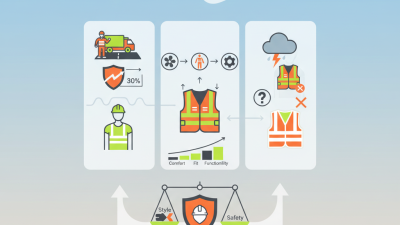
Comfort is often overlooked. A vest that doesn't fit well can impede movement. Look for adjustable straps and breathable fabrics. These features improve wearability, especially during long shifts. Assessing the vest's weight is also essential. A lighter vest may enhance mobility but shouldn’t compromise safety features. It’s important to balance comfort with protection.
Comparison of Materials Used in Hi Vis Vests and Their Benefits
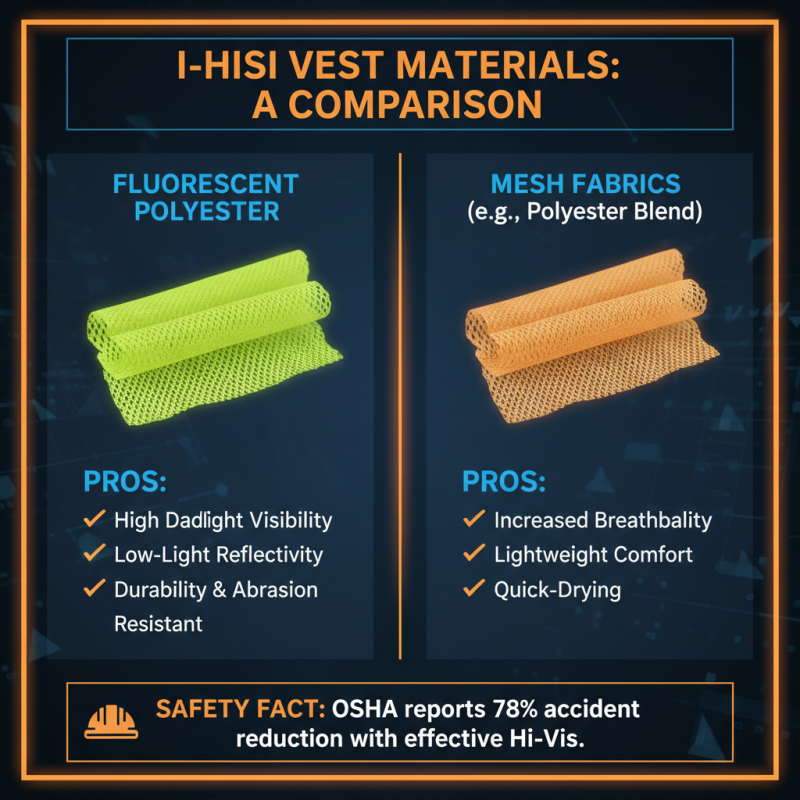
Hi vis vests are crucial for safety in various work environments. The choice of materials significantly impacts visibility, comfort, and durability. According to a report by the Occupational Safety and Health Administration (OSHA), effective visibility can reduce accidents by 78% in high-risk zones. Common materials for these vests include fluorescent polyester, which offers excellent light reflection. This fabric enhances visibility in daylight and low-light conditions.
Reflective tape is another key component. It increases safety by reflecting light from vehicles and machinery. The combination of these materials can improve the wearer's visibility by up to 300%. However, not all vests are created equal. Some may lack breathability. This can result in discomfort during long hours of wear, especially in hot environments.
Moreover, some vests may not meet required safety standards. This can lead to serious risks for workers. A study highlighted that 45% of workers feel their high visibility equipment doesn’t meet industry regulations. Therefore, understanding material properties is essential. A thoughtful choice can enhance safety while ensuring comfort in diverse working conditions.
Popular Hi Vis Vest Features Desired by Global Buyers
When selecting high visibility vests, global buyers prioritize specific features. Breathable materials rank high. Comfort plays a key role in long hours of wear. The choice of fabric affects ventilation and durability. Lightweight options are often favored to reduce fatigue. Furthermore, moisture-wicking properties keep the user dry.
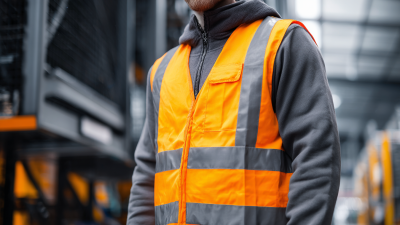
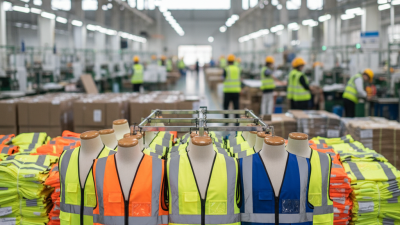
Reflective strips are essential for safety. Buyers often look for vests with ample reflective coverage. This ensures visibility in low-light conditions. Bright colors also matter. Orange and yellow are popular choices. These colors increase visibility during the day. Many buyers seek adjustable sizes to fit different body types.
Pockets add functionality. Versatile vests come with multiple pockets for tools or personal items. This practicality is appealing in various work environments. Despite these preferences, some vests may compromise on quality. Buyers sometimes overlook stitching and seam integrity. Neglecting these details could lead to early wear and tear, affecting overall value.
Price Range and Budgeting for Quality Hi Vis Vests
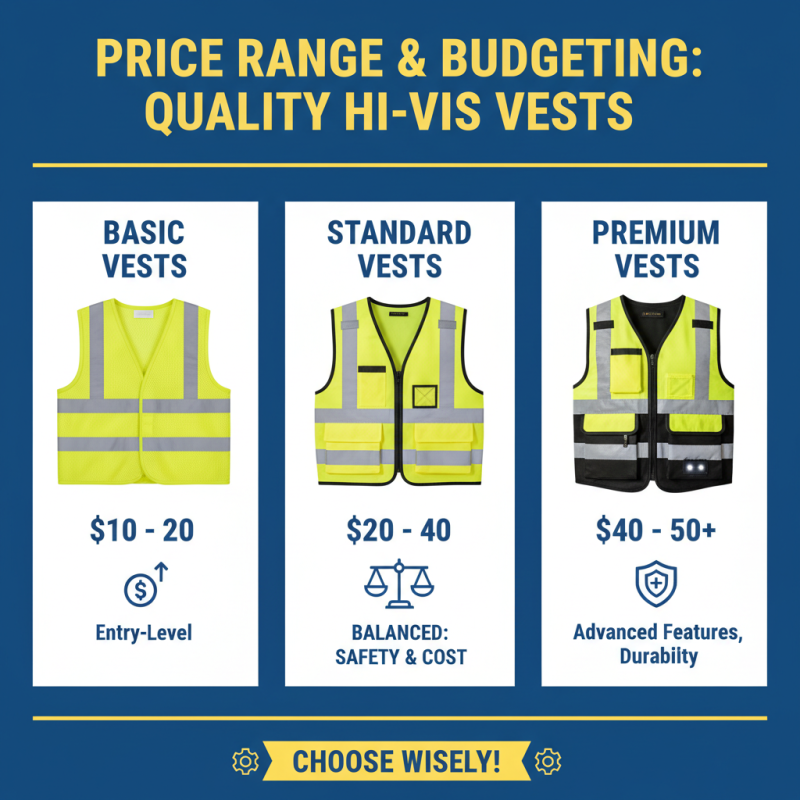
When considering hi vis vests, understanding the price range is crucial. The costs can vary significantly based on material, reflectivity, and additional features. Basic models may start as low as $10, while higher-end options with advanced materials can exceed $50. It's essential to choose wisely, balancing safety and cost.
Quality should not be compromised for a lower price. Investing in a durable vest can add to long-term savings. Look for features like moisture-wicking fabric or reinforced seams. These elements enhance comfort and longevity, often justifying the higher cost. Buyers should also explore bulk purchase discounts, which can provide significant savings.
While browsing options, don't forget the balance between finances and safety. Sometimes, a less expensive vest may lack crucial protective features. It’s important to weigh your specific needs against budget constraints. Making an informed choice can ensure you get the best value for your investment. Remember, safety gear is an investment in protection and well-being.
Top Brands and Manufacturers of Hi Vis Vests Worldwide
When it comes to high visibility (hi vis) vests, selecting the right manufacturer is essential. Reliable brands focus on quality, comfort, and compliance with safety standards. Many leading companies invest in innovative materials that enhance durability and visibility. Reflective strips play a crucial role in ensuring safety, particularly in low-light conditions. Buyers should look for vests that balance functionality and style.
Various manufacturers offer a range of hi vis vests tailored for different needs. Some specialize in construction, while others cater to outdoor activities. It's fascinating to see how designs vary by region. For instance, some areas prioritize lightweight fabrics for hot climates, while others may focus on heavy-duty designs for extreme weather. These choices often reflect local safety requirements and cultural preferences.
While many brands promise quality, not all deliver consistently. Researching feedback and reviews is vital. Some products may initially seem appealing but fall short during actual use. This divergence highlights the importance of real-world testing. Buyers benefit from understanding both the strengths and potential shortcomings of different options. Each purchase should be made with careful consideration to ensure the best fit for specific needs.
Top 10 Hi Vis Vest Options for Global Buyers
| Option |
Material |
Visibility Level |
Size Range |
Features |
| Option 1 |
Polyester |
High |
S-XXL |
Reflective Strips, Breathable |
| Option 2 |
Nylon |
Medium |
M-XL |
Water Resistant, Mesh Lining |
| Option 3 |
Cotton Blend |
High |
L-3XL |
Pockets, Adjustable Straps |
| Option 4 |
Polyester Mesh |
Medium |
S-XL |
Lightweight, Breathable |
| Option 5 |
Ripstop Fabric |
High |
S-XXL |
Durable, Reflective Tape |
| Option 6 |
Polyester |
Medium |
L-4XL |
Flexible Fit, Easy Closure |
| Option 7 |
Canvas |
High |
M-XXL |
Heavy Duty, Multiple Pockets |
| Option 8 |
Polyester |
Medium |
S-XL |
Reflective Edging, Lightweight |
| Option 9 |
Polyethylene |
High |
M-3XL |
Fully Adjustable, Lightweight Design |
| Option 10 |
Reflective PVC |
High |
L-4XL |
Highly Reflective, Water Resistant |