What is a Safety Jacket and Why is it Essential for Your Protection?
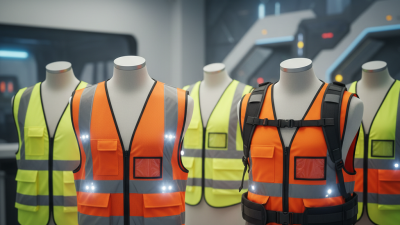
In today’s world, safety is a paramount concern. A Safety Jacket serves as a crucial line of defense for individuals working in high-risk environments. Whether it's on a construction site or near heavy machinery, these jackets enhance visibility and provide essential protection.
Manufactured with durable materials, a Safety Jacket is designed to withstand harsh conditions. Reflective strips increase visibility, especially in low-light environments. This feature is vital for workers who navigate busy areas. However, many still underestimate the importance of wearing one consistently. Neglecting to do so can lead to severe consequences.
Choosing the right Safety Jacket can be overwhelming. With so many options available, it's essential to prioritize features that ensure maximum safety. Understanding how to select an appropriate jacket can save lives. Reflecting on personal experiences can highlight the gaps in safety practices. Investing in a quality Safety Jacket is not just a personal choice; it’s a responsibility.
Definition and Purpose of a Safety Jacket
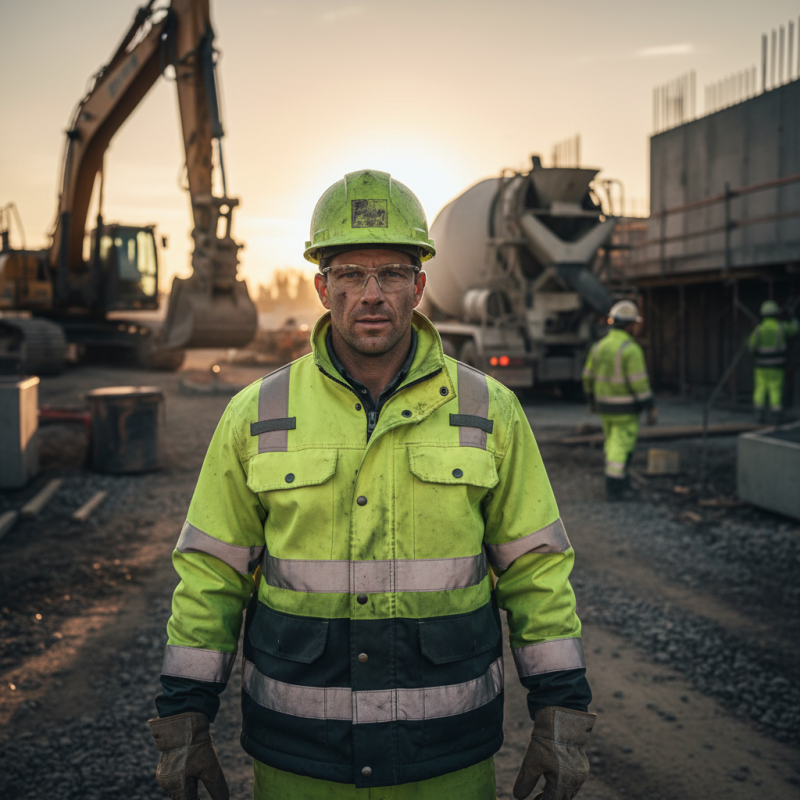
A safety jacket is a specialized garment designed to provide visibility and protection in hazardous environments. These jackets are typically made from bright colors and reflective materials. They ensure that workers are seen, especially in low-light conditions. This visibility can significantly reduce the risk of accidents on job sites.
The primary purpose of a safety jacket is to enhance personal safety. These jackets come with features such as reinforced seams and water-resistant fabric, ensuring durability. They are often equipped with pockets for tools. This practicality makes them essential for various professions, including construction and emergency services. Even as important as these jackets are, some users neglect to maintain them. Regular inspections can help identify wear and tear.
Wearing a safety jacket should be a priority, but it is often overlooked. Some workers choose comfort over safety. This choice can lead to dangerous situations. While one may feel safe without gear, the risks are always present. Reflection on personal safety choices is crucial in any profession.
Key Features of Safety Jackets for Enhanced Protection
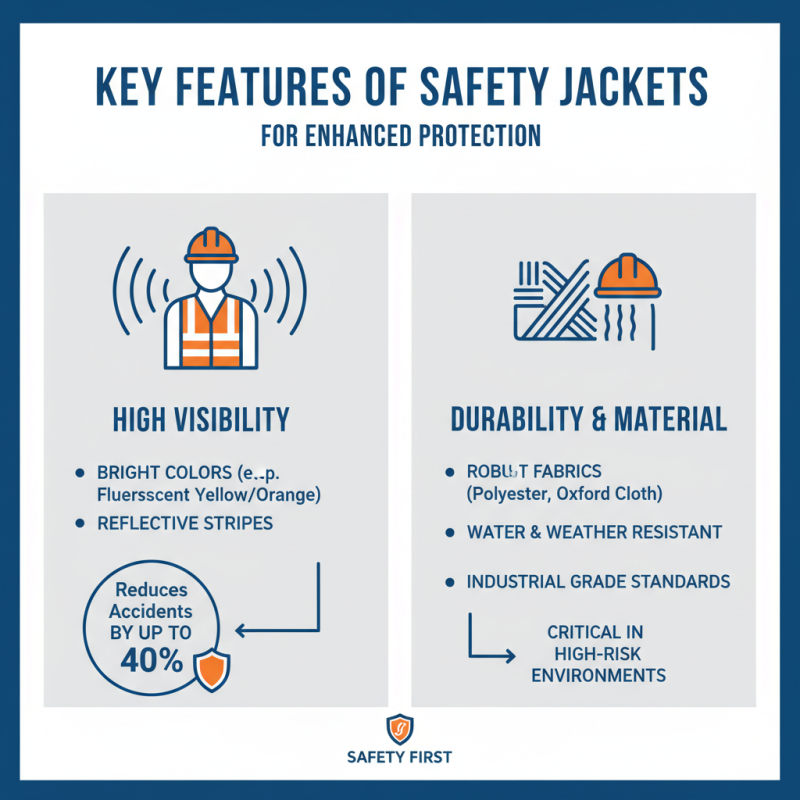
Safety jackets play a vital role in ensuring personal protection across various industries. A key feature is their high visibility, often achieved through bright colors and reflective strips. Research indicates that wearing high-visibility clothing can reduce accidents by up to 40% in roadside work zones. This data emphasizes the importance of being noticed, especially in high-risk environments.
Another essential aspect is the material used in these jackets. Many safety jackets utilize fabric that is both weather-resistant and breathable. According to a report from the Occupational Safety and Health Administration (OSHA), exposure to harsh weather can significantly increase the risk of accidents. Thus, jackets designed for specific conditions enhance worker safety and comfort, which are critical in maintaining focus on tasks.
Moreover, some safety jackets include features like adjustable hoods and pockets for tools. These elements not only improve functionality but also cater to the specific needs of various professionals. However, not every safety jacket provides these essential features, leading to potential gaps in protection. Assessing the right jacket for specific job risks remains a challenge and sparks discussions among industry experts on improving safety standards.
Different Types of Safety Jackets and Their Uses
Safety jackets come in various types, each designed for specific environments and tasks. High-visibility jackets, often made of bright fluorescent materials, are ideal for working near traffic or in low-light conditions. According to the American National Standards Institute (ANSI), wearing high-visibility clothing can reduce accidents by up to 30% in hazardous areas. This statistic highlights the jacket’s essential role in ensuring worker safety.
Flame-resistant jackets serve those who work around flames or sparks. These jackets protect wearers from burns and provide thermal insulation. The National Fire Protection Association (NFPA) states that flame-resistant clothing can reduce burn injuries during incidents. This type of protective gear is crucial in industries like welding and firefighting.
When choosing a safety jacket, consider the specific risks of your job. A waterproof jacket might be necessary for outdoor work in wet conditions. It is also essential to select the correct size to allow freedom of movement. A jacket that is too tight can restrict mobility, while one that is too loose could become a hazard itself. Always check certification labels to ensure the jacket meets safety standards.
Lastly, regularly inspect your safety jacket for damage. Tears or burns can compromise its effectiveness. Keep your safety gear clean and replace it when necessary to maintain protection.
Standards and Regulations Governing Safety Jackets
Safety jackets play a crucial role in many industries. They ensure visibility and protection for workers operating in hazardous environments. Regulations exist to make sure these jackets meet specific safety standards. Organizations like the Occupational Safety and Health Administration (OSHA) set guidelines to protect employees. This assures that safety gear is not just a recommendation; it is often a legal requirement.
Compliance with safety standards isn’t always straightforward. Manufacturers must follow strict criteria for materials and design. For instance, the visibility level of colors must meet minimum requirements. This is essential for workers on busy roads or construction sites. However, not every jacket meets these standards. Some may lack proper labeling or certification. Workers must be vigilant and verify their equipment themself.
Education and training on the use of safety jackets are vital. Many workers might not know what constitutes a compliant jacket. They may wear gear that looks appropriate but doesn’t meet safety regulations. This knowledge gap can lead to dangerous situations. It puts workers at risk when they rely on subpar safety gear. Understanding the standards and ensuring compliance is a shared responsibility.
What is a Safety Jacket and Why is it Essential for Your Protection? - Standards and Regulations Governing Safety Jackets
| Feature |
Description |
Importance |
Standards/Regulations |
| Visibility |
Bright colors and reflective strips to enhance visibility in low light conditions. |
Prevents accidents by making the wearer easily seen by others. |
ANSI/ISEA 107, EN 20471 |
| Durability |
Made of tough, weather-resistant materials. |
Ensures long-lasting protection in various environments. |
ISO 9001 |
| Comfort |
Designed for maximum mobility and airflow. |
Increases likelihood of use by wearers. |
BS EN 343 |
| Water Resistance |
Provides protection against rain and splashes. |
Essential for outdoor work and adverse weather conditions. |
EN 343 |
| Breathability |
Allows moisture and heat to escape. |
Regulates body temperature and improves comfort. |
EN 13758-2 |
Maintenance and Care Tips for Safety Jackets
When it comes to safety jackets, proper maintenance is crucial. A well-maintained jacket can extend its lifespan and efficiency, protecting the wearer from various hazards. According to the National Safety Council, over 200,000 workplace injuries occur annually due to inadequate safety gear. This emphasizes the importance of regular care.
To ensure your safety jacket remains effective, inspect it frequently. Look for tears, fraying, or discoloration, as these signs may indicate reduced functionality. Wash your jacket according to the manufacturer's guidelines. Using harsh chemicals can weaken the fabric. Instead, opt for mild detergents. This simple practice can enhance both the lifespan and reliability of the jacket.
Moreover, store your safety jacket properly. Keep it in a dry, cool place to avoid mold and mildew. Avoid folding it in a way that creases the reflective material. Instead, hang it on a padded hanger. By implementing these tips, you maintain both form and function in your safety wear. Regular maintenance not only meets safety standards but also reflects a commitment to personal well-being in the workplace.