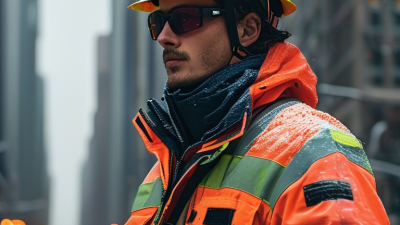
How to Choose the Best Hi Vis Shirts for Your Needs?
Choosing the right Hi Vis Shirts is crucial for safety and visibility in various work environments. These shirts are designed to enhance a worker's presence, especially in low-light conditions. With a wide range of options available, it's important to consider factors that align with your specific needs.
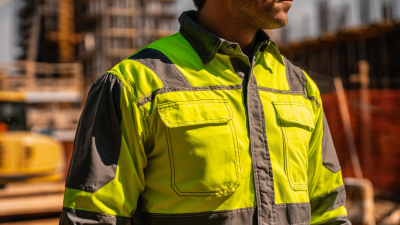
Visibility is the primary purpose of Hi Vis Shirts. Colors like neon yellow and orange stand out against many backgrounds. Look for shirts with reflective strips to further increase visibility. Durability is another key aspect. The fabric should resist wear and tear while being comfortable for all-day use.
Not all Hi Vis Shirts are created equal. Pay attention to certification standards for safety gear. This ensures the shirts meet visibility requirements for specific industries. Sometimes, opting for a cheaper version can compromise safety. Making an informed choice now can lead to better protection later. A thoughtful selection of Hi Vis Shirts can make a significant difference in workplace safety.
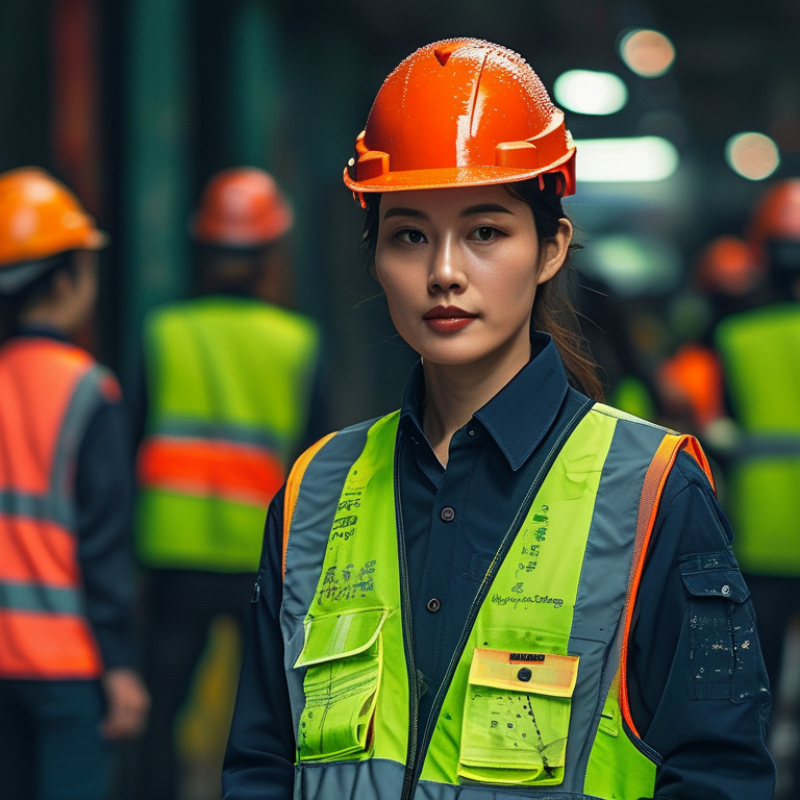
Understanding Hi Vis Shirts: Purpose and Importance
Hi vis shirts play a crucial role in safety across various industries. These garments enhance visibility, reducing the risk of accidents. According to the Bureau of Labor Statistics, over 20,000 workplace injuries annually occur due to low visibility. This data highlights the importance of choosing the right hi vis apparel.
There are several key features to consider when selecting hi vis shirts. The color and reflective materials are vital for ensuring visibility in different conditions. ANSI/ISEA 107-2020 standards suggest using fluorescent colors and retroreflective striping. This combination maximizes visibility during both day and night. However, wearers often overlook the importance of fit and comfort, which can impact overall safety and usage. It's essential to choose a shirt that fits well to encourage regular use.
Comfort might seem secondary, but it is vital. If a worker feels restricted, they might remove their hi vis shirt, negating its purpose. A report from the National Safety Council indicates that comfort and fit can significantly influence compliance rates in safety gear usage. This underscores the need for thorough evaluation when selecting hi vis options for personal or team use.
Key Features to Consider When Choosing Hi Vis Shirts
When selecting hi vis shirts, understanding key features is essential. Fabric type plays a significant role in visibility and comfort. Options like polyester blends provide durability and breathability, while reflective materials enhance safety in low-light conditions. According to the Occupational Safety and Health Administration (OSHA), proper attire reduces workplace accidents by up to 30%.
Fit is crucial as well. A loose fit can impede movement, whereas a snug shirt may lead to discomfort during long hours. Opt for shirts that allow for easy movement without being too tight. Size charts are helpful, but consider trying different sizes to find the best fit for your body type.
Tips: Pay attention to the color as well. Bright colors like neon yellow or orange increase visibility in various environments. Make sure the shirt meets ANSI (American National Standards Institute) standards for safety during work hours. Finally, check for care guidelines to maintain the shirt's reflective properties and color integrity after multiple washes.
Different Types of Hi Vis Shirts for Various Work Environments
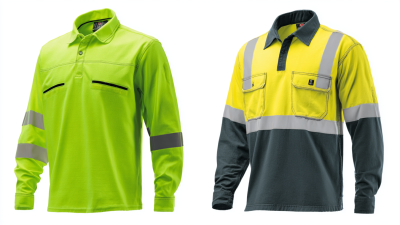
When selecting hi vis shirts for various work environments, understanding the types available is crucial. Hi vis shirts come in different styles, including standard, pocketed, and long-sleeve options. Each design serves specific needs based on the working conditions and safety regulations. For instance, the American National Standards Institute (ANSI) classifies hi vis garments based on visibility and environmental factors. Class 2 and Class 3 shirts provide higher visibility in low-light conditions and are often required for road construction workers.
Different working environments demand particular features. For example, in construction zones, moisture-wicking fabrics are beneficial; they keep the body dry and cool. On the other hand, in industrial settings, a loose fit may be preferred to allow mobility. In a survey conducted by the Occupational Safety and Health Administration (OSHA), 70% of workers reported discomfort in poorly designed hi vis gear. This highlights the need for proper fit and comfort.
Reflecting on the usability, many users find it challenging to navigate the variety of options. Those new to safety apparel might overlook essential details. Color choices also play a significant role. Bright orange or yellow enhances visibility against complex backgrounds. Ultimately, assessing individual needs is vital for finding the right hi vis shirt that meets both safety standards and comfort preferences.
Selecting the Right Fabric and Fit for Comfort and Safety
When selecting hi vis shirts, the fabric plays a critical role. Breathable materials enhance comfort, especially during long hours. Cotton blends are popular, but they may not always provide the same level of visibility as synthetic fibers. Reflective elements can also be crucial. Ensure that your shirt features ample reflective strips that meet safety standards. This can make a significant difference in low-light environments.
Fit is another important factor. A well-fitted shirt allows for ease of movement without being overly baggy. Loose clothing can be a distraction or even catch on equipment. It’s worth trying different sizes to find the right balance. Some people prefer a looser fit for comfort, while others lean towards a more tailored look for functionality. Evaluate how the shirt performs during various activities to determine what works best.
Finally, consider seasonal variations and activity types. Choose lighter fabrics for warmer months and heavier options for cooler days. Reflect on how the shirt's performance changes in different conditions. Do you need extra layering? Testing different combinations can lead to surprising discoveries. Prioritize your comfort and safety while working, ensuring you have the best equipment for your needs.
Hi Vis Shirt Fabric Types and Their Properties
This bar chart illustrates the durability ratings of various fabric types commonly used in hi vis shirts. Polyester scores the highest in durability, making it a preferred choice for safety gear.
Ensuring Compliance: Understanding Safety Standards for Hi Vis Apparel
When selecting hi vis shirts, understanding safety standards is essential. Various industries have specific regulations for high visibility apparel. Compliance ensures not only safety but also legal adherence. Workers must be visible in all conditions. Each job site may impose different requirements. Knowing these specifications helps in making informed choices.
Tips for choosing the right hi vis shirts include checking the ANSI standards. ANSI 107 is a common guideline in the U.S. This outlines the levels of visibility required for different work environments. High-quality materials resist wear and tear. Look for durable fabrics that maintain color and reflectivity over time.
Another factor involves layering. Depending on the work environment, you might need options for cold or wet weather. Choose shirts designed for additional warmth or water resistance while still meeting visibility standards. A thoughtful approach can save time and expense in the long run. However, it’s easy to overlook the importance of fit. Ensure the shirt provides comfort and allows for unrestricted movement. A lack of comfort can lead to decreased productivity and distraction on the job site.
How to Choose the Best Hi Vis Shirts for Your Needs? - Ensuring Compliance: Understanding Safety Standards for Hi Vis Apparel
| Feature |
Description |
Safety Standard |
Recommended Use |
| Visibility Level |
Bright colors with reflective strips for high visibility. |
ANSI/ISEA 107 |
Construction sites, road work |
| Fabric Type |
Durable, moisture-wicking materials for comfort. |
ISO 20471 |
Outdoor work, heavy labor |
| Size Range |
Available in a wide range of sizes for all body types. |
N/A |
General safety compliance |
| Additional Features |
Pockets, zippers, and adjustable features for convenience. |
N/A |
Varied applications depending on the work environment |
| Care Instructions |
Machine washable, maintaining color and visibility. |
N/A |
Extended use in work settings |