How to Choose the Best Hi Vis Jacket for Safety?
Choosing the right Hi Vis Jacket can significantly enhance safety in various work environments. A quality jacket not only offers visibility but also comfort and durability. In sectors like construction, transportation, and emergency services, the need for high-visibility gear is paramount.
When selecting a Hi Vis Jacket, consider the material and reflectivity. Some jackets utilize advanced fabrics that withstand harsh weather. Others may fall short in providing adequate protection. Look for features like pockets or adjustable straps that cater to your specific needs. It's essential to find a balance between visibility and functionality.
Reflect on your daily tasks. Does your jacket allow you to perform your job effectively? A Hi Vis Jacket should not restrict movement. Testing different styles can help identify the best fit for you. Prioritizing safety ensures you remain visible and protected in potentially dangerous situations.
Understanding the Importance of Hi Vis Jackets for Safety
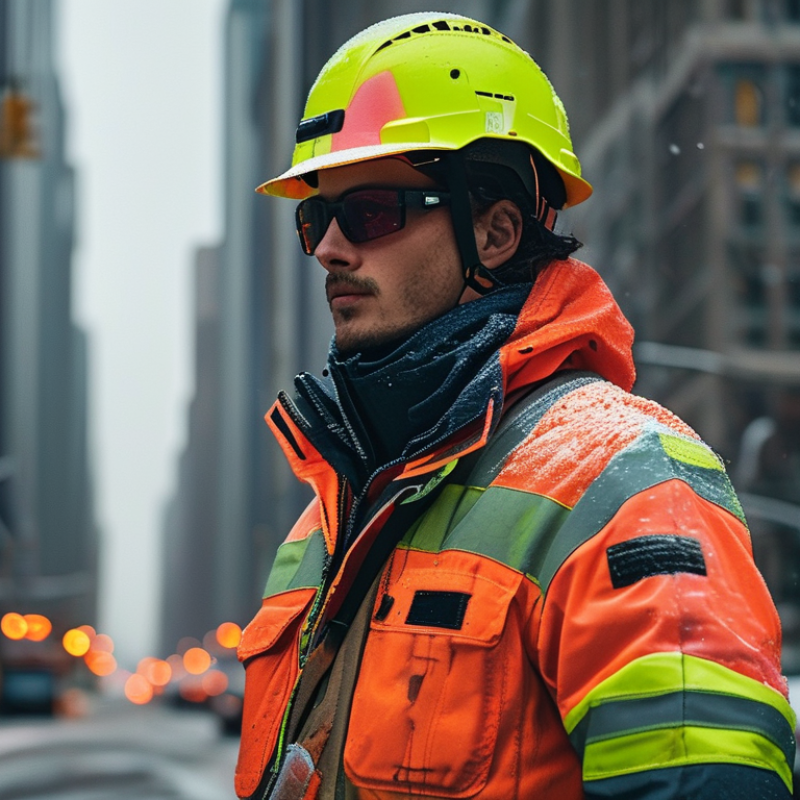
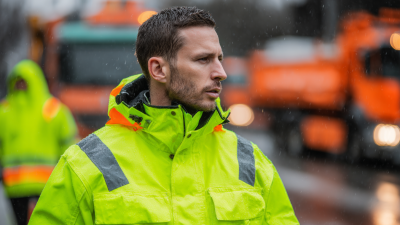
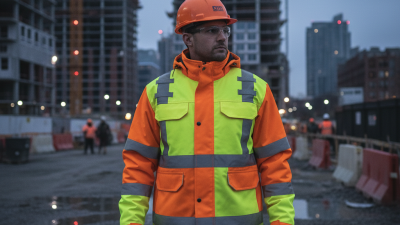
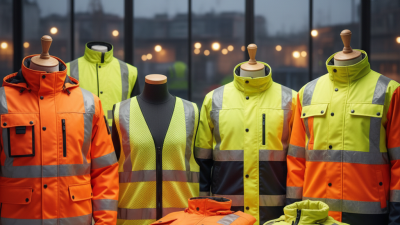
Hi vis jackets play a crucial role in enhancing safety for workers in various environments. These jackets are designed to make the wearer highly visible in low-light situations. For construction sites, traffic zones, and emergency situations, visibility can save lives. Bright colors and reflective strips help others see the wearer from a distance.
When choosing a hi vis jacket, consider the environment. Different settings require different levels of visibility. Also, think about comfort. A jacket that restricts movement isn’t effective in ensuring safety. Breathable materials and adjustable features add to user experience. However, even the best jacket won’t be effective if it isn’t worn properly. It’s essential to wear it correctly, so it remains visible.
There is always room for improvement in understanding safety gear. Some workers might overlook the importance of hi vis jackets. They may believe that just wearing it is enough. However, poor fit or wear can diminish its effectiveness. Regular inspection of safety gear is often neglected. Workers should be encouraged to reflect on their choices and prioritize safety.
Factors to Consider When Choosing a Hi Vis Jacket
When selecting a high-visibility (hi vis) jacket, ensure it meets specific safety standards. According to the American National Standards Institute (ANSI), jackets must comply with the ANSI/ISEA 107 standard. This guideline defines minimum requirements for design, color, and retroreflective materials. A compliant jacket enhances visibility in low-light situations, which is crucial for safety in various work environments.
The fabric of the jacket plays a pivotal role in comfort and durability. Lightweight, breathable materials can enhance wearability, especially in hot weather. Some studies suggest that comfort directly affects compliance; if workers feel comfortable, they are more likely to wear their jackets consistently. Look for jackets with moisture-wicking properties. These features help maintain dryness, thereby increasing overall comfort during long shifts.
Color is another essential factor. Research indicates that fluorescent colors like lime yellow or orange are more visible than traditional hues. Retroreflective strips improve visibility further by reflecting light back to its source. However, not all reflective materials are created equal; some degrade faster than others. Regular inspections can help identify wear and ensure ongoing safety compliance. Balancing these factors leads to making an informed choice that prioritizes safety while meeting specific needs.
Hi Vis Jacket Safety Features Comparison
Different Types of Hi Vis Jackets and Their Uses
When selecting a hi vis jacket, understanding the different types is crucial. There are several varieties designed for specific environments and activities. For instance, lightweight jackets are perfect for warmer weather. These options often use breathable materials. They keep workers visible without overheating. In contrast, insulated jackets are ideal for colder conditions. These jackets provide warmth while maintaining visibility.
Reflective jackets play an essential role in low-light situations. They are made with high-visibility materials and reflective strips. This design increases visibility during nighttime or in foggy weather. It's important to choose the right level of reflectivity based on the work environment. Some professions require enhanced visibility due to high traffic or hazardous conditions.
While selecting a hi vis jacket, consider the fabric and durability. Water-resistant or waterproof options offer better protection in rain. However, not all materials are equally durable. Some jackets may show wear and tear quickly. Regularly assessing your gear helps ensure safety remains a priority. A well-chosen hi vis jacket enhances visibility and provides needed protection in various environments.
Material and Durability: What to Look For in Hi Vis Jackets
When selecting a hi vis jacket, the material plays a crucial role in safety and comfort.
Opt for jackets made from breathable fabrics. Polyester and nylon are common choices.
They offer durability and flexibility. Some jackets feature waterproof coatings, which are
beneficial for outdoor work. These materials repel water while maintaining breathability,
ensuring workers stay dry.
Durability is another key factor. Look for jackets with reinforced seams and sturdy zippers.
These features prevent wear and tear in harsh conditions. A wear-resistant outer layer can
protect against abrasions. This is especially important for workers in construction or roadside
settings. Reflective strips should be securely stitched, increasing visibility in low-light situations.
However, not all hi vis jackets are equal. Some may lack comfort, leading to reduced mobility.
Proper fit is essential for effectiveness and ease of movement. If a jacket feels restrictive,
it may hinder performance. It’s crucial to strike a balance between visibility, material, and
comfort for optimal safety. Small details, like pockets for tools, can also enhance functionality,
proving that the right choice is about more than just visibility.
Reflective Elements and Visibility Standards Explained
When selecting a high-visibility jacket, understanding reflective elements and visibility standards is crucial. Reflective materials enhance visibility in low-light environments. Look for jackets with high-quality reflective strips. These strips increase safety by reflecting light effectively. The standards for visibility, such as EN ISO 20471, guide the minimum requirements for such clothing.
Tips: Check the brightness of the reflective materials. A higher brightness level ensures better visibility. Pay attention to the design and placement of reflective elements. They should cover a large area for maximum effect.
Choosing the right color can also impact visibility. Fluorescent colors like lime or orange stand out during the day. They are more effective at catching attention than darker shades. However, remember that color perception varies. Some individuals may have difficulty seeing bright colors.
In short, prioritize jackets meeting visibility standards. Consider their fit and comfort as well. A properly fitting jacket promotes compliance and wearability, but it's easy to overlook this factor. Reflecting on your choices can lead to better safety outcomes in critical situations.
How to Choose the Best Hi Vis Jacket for Safety?
| Feature |
Description |
Visibility Standard |
Reflective Element Placement |
| Color |
Bright colors like fluorescent yellow or orange are preferred for high visibility. |
ANSI/ISEA 107-2020 |
Should cover the torso and arms fully. |
| Material |
Breathable, durable fabrics for comfort and wear. |
EN ISO 20471 |
Reflective strips should be at least 50mm wide. |
| Fit |
Should allow for free movement while being snug enough to be effective. |
SC-3 Classification |
Horizontal bands recommended on sleeves and body. |
| Water Resistance |
Needed for outdoor use in wet conditions. |
Class 3 for waterproofing |
Reflective and waterproof materials preferred. |
| Comfort |
Lining and ventilation for comfort during various activities. |
N/A |
Reflective elements should not hinder movement. |