Top 10 Tips for Choosing Hi Vis Jacket for Safety?
Choosing the right Hi Vis Jacket is essential for safety in various work environments. Visibility is key, especially in areas with heavy machinery or low light. A Hi Vis Jacket not only increases your visibility but also provides comfort and protection. While many options exist, selecting the ideal one can be challenging.
When evaluating Hi Vis Jackets, consider factors like fabric type, reflective strips, and comfort fit. Each component plays a role in enhancing safety. For instance, high-quality materials withstand wear while ensuring breathability. Reflective strips improve visibility in low light, crucial for early morning or late-night tasks. It’s easy to overlook these details, but they can significantly impact your safety.
Investing in a reliable Hi Vis Jacket shows a commitment to workplace safety. However, the choices can be overwhelming. It’s important to reflect on your specific needs and environments. The jacket should fit well and allow ease of movement. Don't hesitate to seek expert advice or read reviews. Making an informed choice can lead to better safety outcomes.
Understanding the Importance of Hi Vis Jackets for Safety
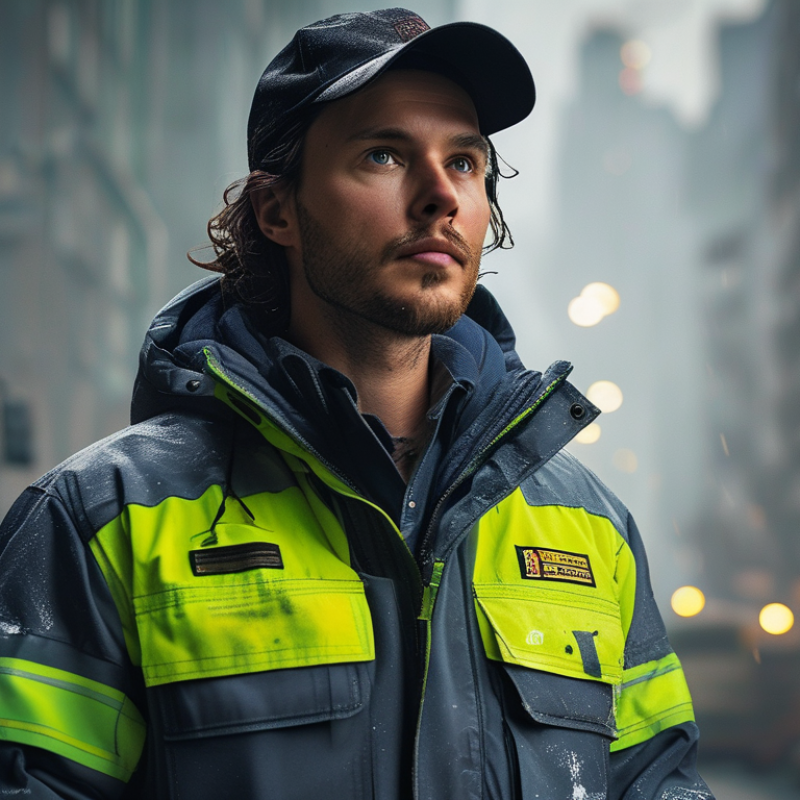
Hi vis jackets are essential for ensuring safety in various work environments. Studies show that wearing high visibility clothing can reduce accidents by up to 30%. These jackets enhance visibility, especially in low-light conditions. The bright colors and reflective strips make it easier for workers to be seen. When considering a hi vis jacket, understanding the unique needs of specific job sites is crucial.
One critical tip is to select the appropriate level of visibility. Different standards apply based on the job's risk level. For example, Class 2 jackets offer more visibility than Class 1. Another important aspect is the fit and comfort. A well-fitted jacket allows for ease of movement. If it's too loose or tight, workers might avoid wearing it, leading to increased risks.
It's also vital to consider the material used in these jackets. Some fabrics provide additional protection against wind and rain. This can enhance worker safety during inclement weather. Ultimately, understanding the specific requirements of your work environment is key to making an informed choice.
Key Features to Look for in a High Visibility Jacket
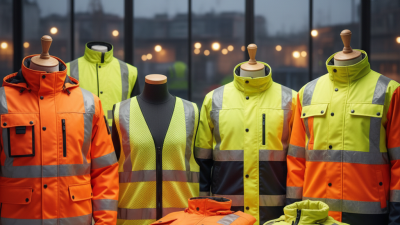
When choosing a high visibility jacket, several key features stand out. Look for materials that offer durability and breathability. Lightweight fabrics can enhance comfort, especially in demanding environments. Reflective strips are crucial for safety; they should be wide and strategically placed.
Consider the jacket's fit. A well-fitted jacket allows for movement and layering. Poorly fitting jackets can be uncomfortable. Pay attention to pockets as well. Multiple pockets enhance functionality, allowing easy access to tools and essentials.
Choosing the right color can make a difference. Bright colors like fluorescent yellow and orange ensure visibility in various conditions. Remember to check safety ratings; credible certifications indicate compliance with safety standards. You might think all jackets offer the same protection, but the right choice can greatly enhance safety and comfort. Each detail counts in preventing accidents.
Selecting the Right Material for Durability and Comfort
When choosing a hi-vis jacket, selecting the right material is crucial for durability and comfort. Fabrics like polyester and nylon offer great resistance to wear. These materials can withstand harsh weather and daily use. They also tend to dry quickly, which is beneficial in wet conditions.
Consider breathability too. Some materials trap heat and moisture, making them uncomfortable. Look for options with mesh linings or vents. This will enhance airflow and improve comfort during strenuous activities.
It's easy to overlook the weight of the jacket. A heavier jacket may be durable but can hinder movement. Test the jacket for flexibility. Make sure it allows for a full range of motion. Remember that a comfortable fit increases overall safety on the job. Choose wisely; the right material can make all the difference.
Sizing and Fit: Ensuring Optimal Visibility and Mobility
When it comes to selecting a hi-vis jacket, size and fit are crucial for both safety and comfort. A well-fitting jacket enhances visibility by conforming to the body’s shape, ensuring bright colors are easily seen. Ensure the jacket isn’t too loose or too tight.
Loose fabrics can snag on equipment, while tight options restrict movement. Comfort means you are more likely to wear it consistently.
Consider adjustable features such as cuffs and hems. These allow for a customizable fit, which is essential for mobility across various work environments. Reflective strips should also be positioned properly to maximize exposure to light. Many people overlook this factor, potentially diminishing safety.
Remember, fabric quality matters. Lightweight, breathable materials can prevent overheating while maintaining visibility. Test the jacket in various positions. Try bending, reaching, and turning. A jacket that feels good in one position may not perform well in others. Addressing fit and comfort early on can lead to improved safety outcomes in high-risk work areas.
Maintenance Tips to Preserve the Performance of Hi Vis Jackets
Maintaining your hi vis jacket is essential for safety and performance. Regular cleaning extends its lifespan. Hand wash or use a gentle cycle in cold water. Avoid bleach, as it can damage the fabric and affect visibility. Air drying is recommended. Excessive heat from dryers can degrade reflective materials.
Inspect your jacket frequently. Look for tears and damaged seams. Repair minor issues right away to prevent further damage. If the reflective strips lose brightness, consider replacing the jacket. Sun exposure can fade colors over time, so store it in a cool, dry place.
Proper storage is also key. Hanging your jacket prevents creases and maintains shape. Be mindful of sharp objects nearby that might cause abrasions. Rotate your jackets if you have more than one to allow for even wear. Taking these steps helps ensure that your hi vis jacket protects you effectively over time.