Top Safety Jackets for 2026 Buyers What to Look For?
As we look to the future, the safety jacket market continues to evolve. Recent industry reports indicate a projected growth of 6% in safety gear sales by 2026. This highlights the increasing demand for effective protective clothing across various sectors. Safety jackets play a crucial role in ensuring worker safety in hazardous environments.
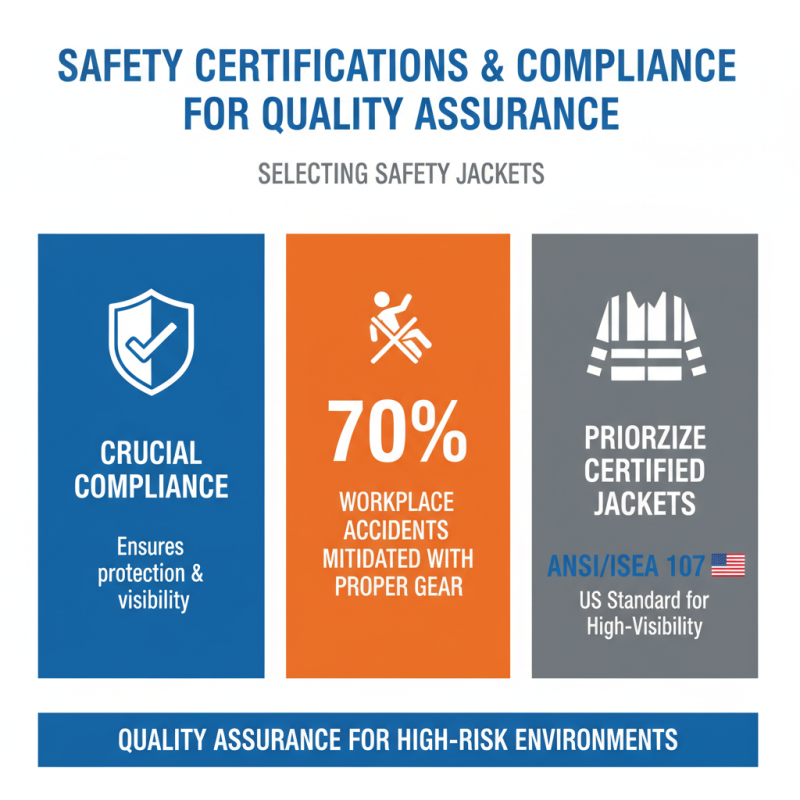
When selecting a safety jacket, buyers should consider key features such as visibility, materials, and compliance with safety standards. High-visibility jackets often incorporate reflective elements, crucial for jobs in low-light conditions. According to a study by the National Safety Council, wearing appropriate safety gear can reduce workplace injuries by up to 40%. Buyers must understand the specific environment where these jackets will be used.
However, not all safety jackets are created equal. Some may lack adequate moisture-wicking properties or durability against extreme conditions. Reflecting on these aspects is vital for making informed choices. Buyers must prioritize quality and fit to ensure maximum protection. In a world where safety cannot be compromised, taking the time to select the right safety jacket is essential.
Key Features to Consider in Safety Jackets for 2026
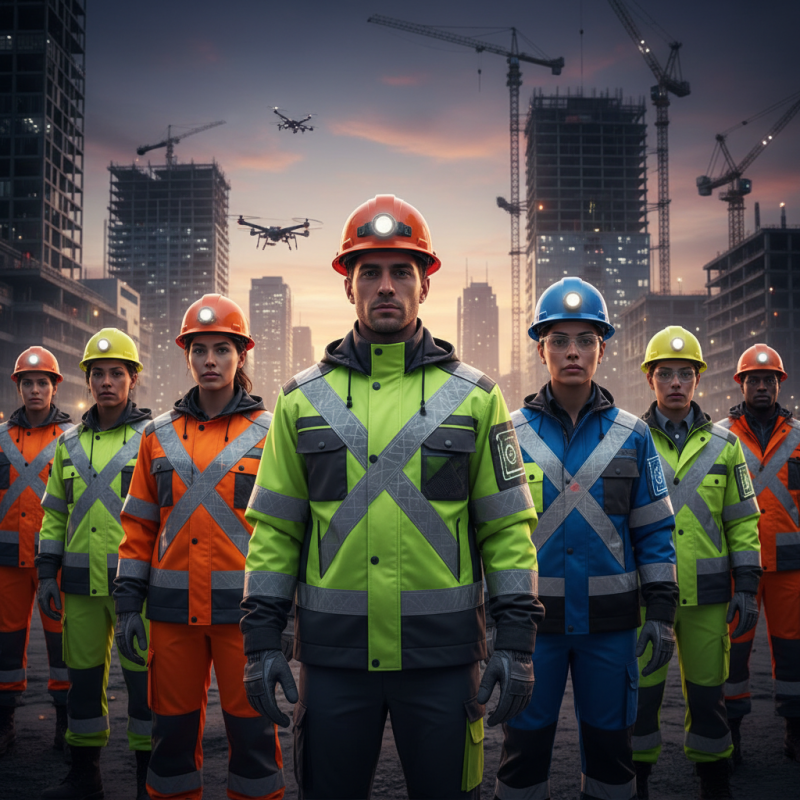
When selecting safety jackets in 2026, buyers must prioritize key features. A durable fabric is essential. Look for materials resistant to wear and tear. This enhances the jacket's lifespan. Waterproof capabilities are also important. Rain protection keeps workers dry in adverse weather.
Reflective elements are crucial for visibility. Bright colors combined with reflective strips improve safety in low-light conditions. A good fit matters too. Jackets should allow for movement while still providing warmth. Ill-fitting jackets can be uncomfortable and counterproductive.
Consider pockets and storage options. Adequate storage for tools or personal items can increase functionality. However, avoid excessive pockets that may cause bulkiness. Lastly, breathability is often overlooked. A jacket should allow airflow, especially during physical activities. Each of these features contributes to effectiveness and comfort. Buyers should reflect on their needs before making a decision.
Material Types and Their Impact on Comfort and Durability
When choosing safety jackets for 2026, material types play a crucial role in both comfort and durability. Different fabrics can provide various levels of protection while influencing how the wearer feels throughout their day. Common materials include polyester, nylon, and cotton blends. Polyester is often lightweight and resistant to abrasions, making it ideal for high-mobility tasks. However, it may not breathe as well as other materials.
Nylon is another popular option. Its strength and resistance to wear and tear make it a favorite for outdoor jobs. Yet, it can trap heat, potentially making the wearer uncomfortable in warm conditions. Cotton blends, while breathable and comfortable, might lack the durability needed for harsh environments. The balance between comfort and durability is vital. Selecting the best material often requires trial and observation.
Think about your specific needs. Will you be exposed to weather elements? Is mobility a priority? Each of these considerations will impact your choice. Testing different jackets under real working conditions is essential. Collect feedback from users and refine your selections. It’s not just about safety; it’s about feeling good while staying protected.
Top Safety Jackets for 2026 Buyers What to Look For?
| Material Type |
Comfort Level |
Durability Rating |
Water Resistance |
Breathability |
| Polyester |
High |
Moderate |
Yes |
Moderate |
| Nylon |
Moderate |
High |
Yes |
High |
| Cotton |
Very High |
Low |
No |
Very High |
| Poly-Cotton Blend |
High |
Moderate |
Yes |
Moderate |
| Soft Shell |
Very High |
High |
Yes |
Very High |
Visibility Standards: Importance of High-Visibility Colors
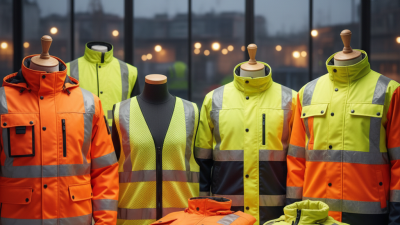
When choosing safety jackets for 2026, visibility is key. High-visibility colors stand out. They make the wearer noticeable in various environments. Bright orange and vibrant yellow are the most effective colors. These hues enhance safety by providing clear visibility during the day and at night. Reflective strips are also crucial. They catch light and ensure visibility in low-light conditions.
Tips: Always check for compliance with local visibility standards. Look for jackets that feature multiple reflective strips. The more reflective material, the better. This choice can improve your safety significantly.
Visibility is not just about color. The cut and fit of a jacket matter too. A well-fitted jacket enhances comfort and encourages use. Sometimes, jackets that are too loose can hide reflective materials. It’s a challenge to balance comfort and visibility. Always try different fits to find the right one.
Tip: Test your jacket in various lighting conditions. Ensure the colors remain vibrant. This helps in assessing its effectiveness. Remember, visibility can literally save lives.
Weather Resistance: Evaluating Waterproof and Breathable Designs
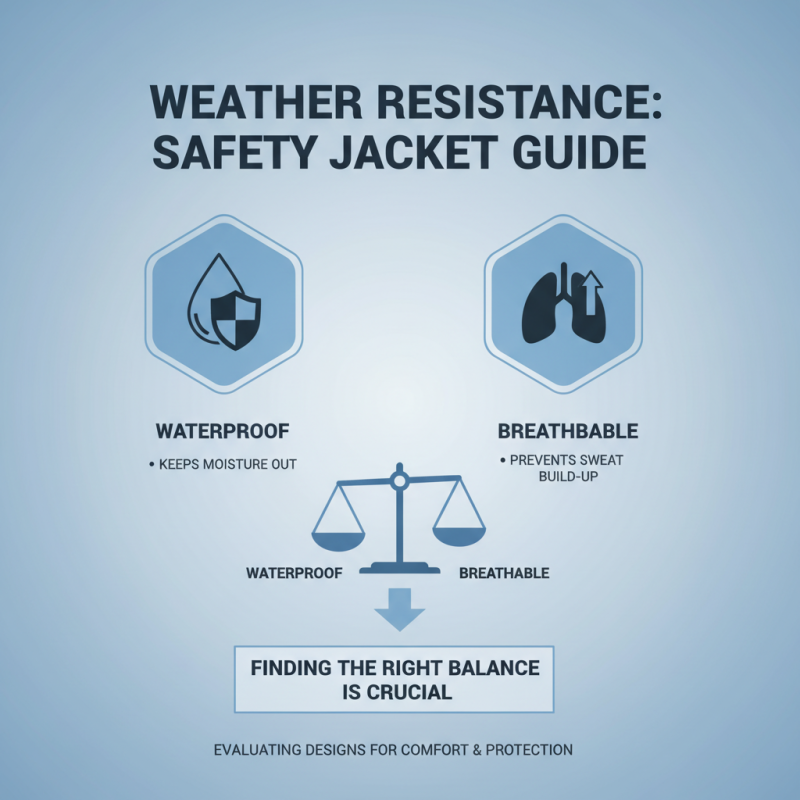
When choosing safety jackets, weather resistance is crucial. Buyers need to evaluate both waterproof and breathable designs. A jacket that keeps moisture out is vital. However, breathability should not be overlooked. Wearers can easily get sweaty if a jacket is too rigid. Finding the right balance is key.
Consider the materials used. Some fabrics repel water but may trap heat. Others allow for airflow but might not provide full coverage from rain. Testing a jacket in diverse conditions can reveal practical weaknesses. For instance, in heavy rain, some waterproof jackets still fail. It’s essential to look for features like taped seams and storm flaps for better protection.
In the quest for a reliable jacket, pay attention to the fit. A snug fit may improve insulation but can affect movement. Conversely, a loose fit risks letting cold air in. Users often overlook this aspect. Finding a safety jacket that allows for easy movement while offering adequate weather protection can be challenging, requiring thorough research and testing.