Top Hi Vis Jacket Styles for Safety and Visibility in Work Environments?
In today's fast-paced work environments, safety is paramount. Professionals must prioritize visibility. According to safety expert John Smith, “A premium Jacket Hi Vis can make all the difference in hazardous settings.” His insights highlight the critical role of high-visibility jackets in reducing accidents.
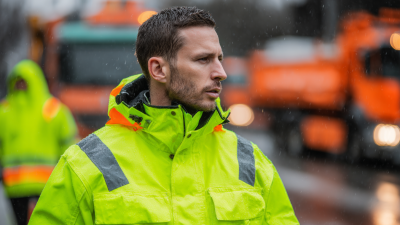
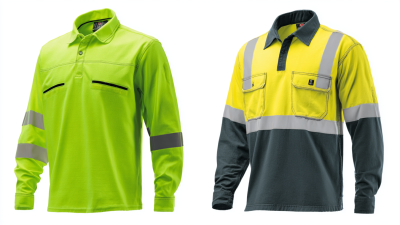
Various Jacket Hi Vis styles are available to meet diverse needs across industries. These jackets come in different colors, materials, and designs tailored to specific work conditions. For instance, rugged waterproof options are essential for outdoor workers in rain-prone areas. Meanwhile, lightweight variants benefit those in warmer climates, enhancing comfort without sacrificing safety.
However, not all high-visibility jackets are created equal. Some may lack the necessary reflective features. It's crucial for workers to be educated on choosing the right Jacket Hi Vis. This choice can significantly impact their safety and overall operational efficiency. A well-chosen jacket is more than just apparel; it serves as a vital tool in ensuring workplace safety.
Top Features of Hi Vis Jackets for Safety in Work Environments
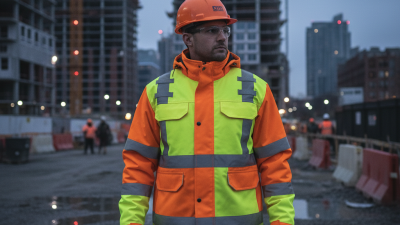
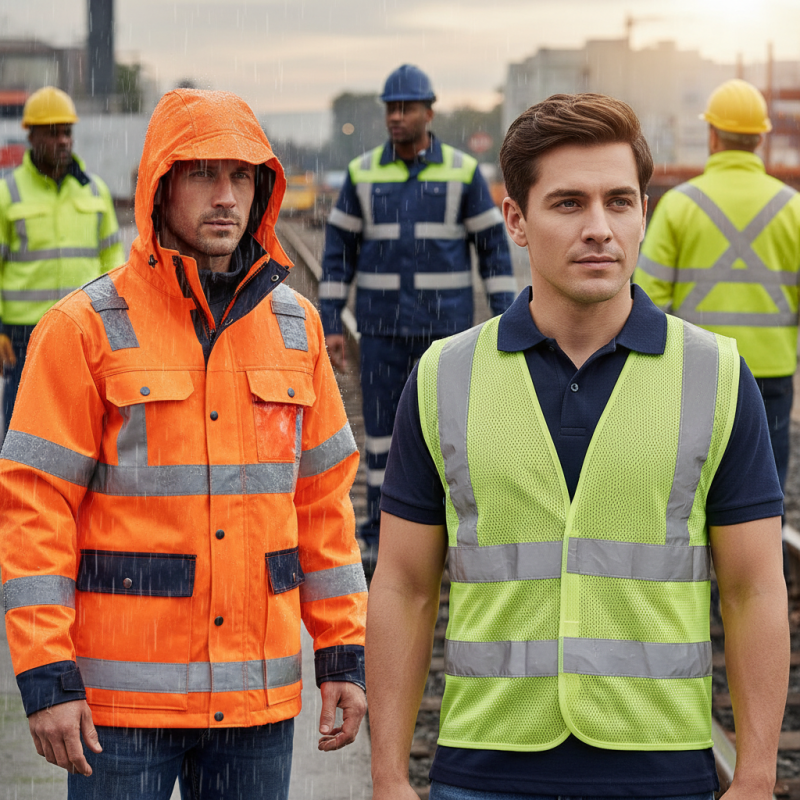
When selecting a hi vis jacket for work environments, safety and visibility are paramount. The best jackets feature bright colors like fluorescent yellow or orange to enhance visibility. They often have reflective strips placed strategically to catch light from vehicles at night. This combination is critical for workers in low-light or high-traffic areas.
Additionally, functional features can significantly impact safety. Waterproof materials keep workers dry during adverse weather, ensuring they can remain focused on their tasks. Breathable fabrics contribute to comfort, allowing for airflow while providing protection. However, not all jackets offer the perfect fit. Workers should try different options to ensure that their mobility isn’t compromised.
Pockets are another essential aspect. Effective designs include multiple sizes for tools and personal items, helping to keep hands free. Yet, excessive pockets may appear cluttered or impede movement. Ultimately, having the right hi vis jacket is about understanding specific work conditions and needs, ensuring reliability in safety measures.
Different Styles of Hi Vis Jackets: A Comprehensive Overview
When considering safety in the workplace, Hi Vis jackets play a critical role. These garments are designed with bright colors and reflective materials to ensure maximum visibility. Employees in construction, transportation, and emergency services benefit greatly from wearing them. Their bright yellow, orange, or green colors stand out against various backgrounds, enhancing safety.
Different styles of Hi Vis jackets offer tailored features for specific environments. For instance, some jackets come with built-in insulation for cold weather, while others have lightweight, breathable materials for warmer conditions. Some may have additional pockets for tools or equipment, increasing functionality. Additionally, there are options with hoods or detachable sleeves, allowing for versatility across seasons.
However, it's essential to assess your specific needs. Not every Hi Vis jacket fits every situation. Some may not provide enough protection in high-risk environments. Evaluating the level of visibility required for your work area helps in selecting the right style. Choosing the wrong jacket can lead to safety hazards. Therefore, understanding the features and suitability of Hi Vis jackets is crucial for ensuring safety and compliance in any work environment.
Top Hi Vis Jacket Styles for Safety and Visibility in Work Environments
| Style |
Features |
Best For |
Color Options |
Rating (out of 5) |
| Class 2 Vest |
Lightweight, breathable, reflective strips |
Construction sites, road work |
Fluorescent Yellow, Orange |
4.5 |
| Insulated Jacket |
Warmer, durable, waterproof |
Cold outdoor environments |
Yellow, Lime Green |
4.8 |
| Reflective Rain Jacket |
Waterproof, reflective detailing |
Wet weather, outdoor workers |
Yellow, Orange |
4.3 |
| Heavy Duty Work Coat |
Extra protection, longer length |
Industrial settings, outdoor construction |
Hi-Vis Yellow, Orange |
4.7 |
| Short Sleeve Hi Vis Shirt |
Comfortable, light, breathable |
Warm weather work |
Fluorescent Yellow, Orange |
4.2 |
Material Choices for Hi Vis Jackets: Durability and Visibility
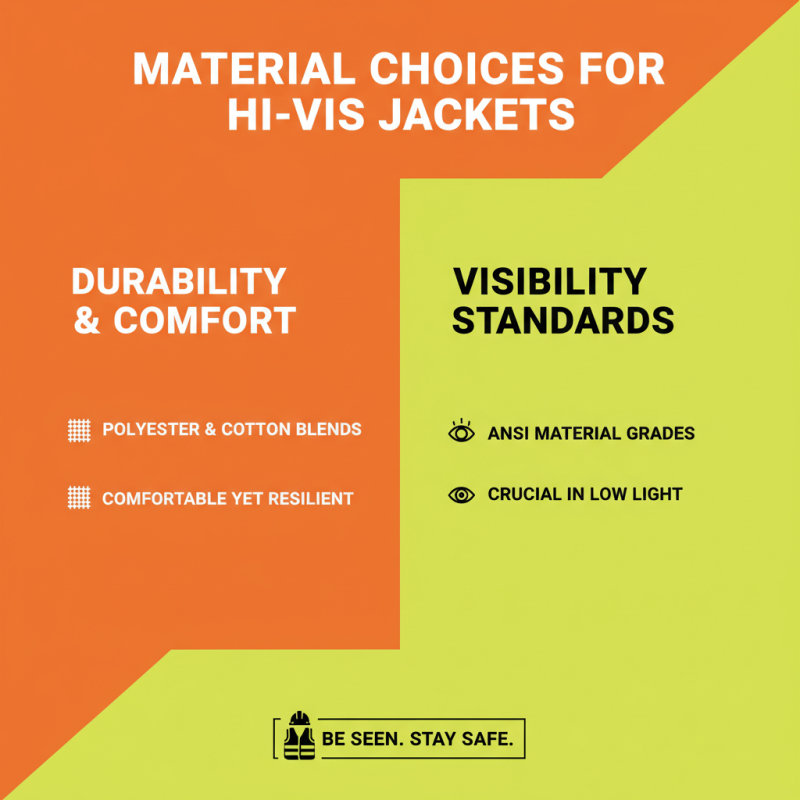
When selecting hi vis jackets, material choices play a crucial role in both durability and visibility. Polyester and cotton blends are common. They provide comfort while maintaining visibility. According to the American National Standards Institute (ANSI), specific material grades denote higher visibility levels. This ensures that workers are seen in low-light environments.
Breathable fabrics are essential for on-site comfort. Workers need to stay cool while remaining visible. Reports indicate that 70% of outdoor workers favor lightweight materials. These choices often enhance safety. However, more durable fabrics, like reinforced nylon, resist wear better. Workers should balance comfort and durability when choosing their jackets.
Tips: Check for reflective strips on jackets. These enhance visibility during night hours. Also, consider the fit. A proper fit ensures that the jacket is visible without hindering movement.
Choosing the right material is not just about comfort, but also about compliance. Research suggests that proper hi vis jackets reduce workplace accidents by 30%. Yet, not every jacket meets these standards consistently. It’s necessary to verify certifications before purchasing. This step ensures that you meet local safety regulations effectively.
Best Practices for Choosing the Right Hi Vis Jacket for Your Job
Choosing the right high-visibility (Hi Vis) jacket is crucial for safety in various work environments. Reports indicate that visibility reduces accident rates by 22%. A well-chosen Hi Vis jacket can significantly enhance workers' visibility, especially in low-light conditions. Consider the specific hazards of your job before making a selection.
Look for jackets that meet safety standards, like ANSI/ISEA 107. This regulation outlines the visibility levels necessary for different tasks. Opt for materials that are both durable and breathable. Workers often face temperature extremes. A jacket that is too heavy can lead to overheating and discomfort, while one that's too light may not provide adequate protection.
Reflective elements are key. Jackets with proper reflective strips help ensure workers are seen, especially at night or during poor weather. However, relying solely on color or design isn't enough. Workers should regularly assess their visibility gear. Even the best jackets wear out over time. A jacket that once provided ample visibility may need replacement after frequent use. Regular assessments ensure safety is never compromised.
Regulatory Standards for Hi Vis Jackets in Various Work Sectors
In many workplaces, high visibility (hi vis) jackets are essential for ensuring safety. Various regulations govern their use across different sectors. According to the ANSI/ISEA 107 standard, garments must meet specific criteria for color, reflective materials, and design. For instance, Class 2 and Class 3 jackets provide increased visibility in complex environments, especially where vehicular traffic is present. These classes require specific amounts of fluorescent colors and retroreflective materials to ensure the wearer is visible from a distance.
Construction sites often demand compliance with these standards. The Occupational Safety and Health Administration (OSHA) emphasizes the importance of hi vis clothing to reduce accident rates among workers. Studies show that wearing hi vis jackets decreases the likelihood of being struck by vehicles on-site. In fact, research indicates that proper visibility can reduce incidents by up to 50%. This highlights the crucial role of regulatory standards in fostering a safer work environment.
Yet, while regulations dictate requirements, not all workplaces fully adhere to these guidelines. Some workers may opt for lower-quality jackets, thinking they are sufficient. This poses risks not just to individual safety but also to the overall effectiveness of safety protocols. Ensuring compliance with hi vis jacket standards requires ongoing training and awareness in the workplace. It’s vital to reflect on these issues to continually improve safety practices.
Top Hi Vis Jacket Styles for Safety and Visibility in Work Environments