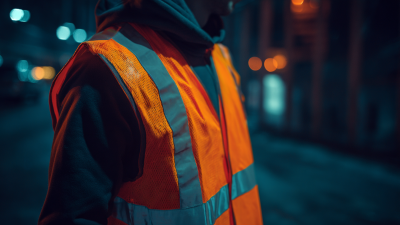
Top Quality Hi Vis Shirts for Global Sourcing Needs?
In the realm of safety apparel, Hi Vis Shirts have become essential for numerous industries. Experts agree that quality and visibility can directly impact worker safety. “Choosing the right Hi Vis Shirts can save lives,” says Mark Thompson, a leading safety gear consultant with over 15 years of experience. His insights emphasize the importance of quality in sourcing these vital shirts.
Hi Vis Shirts are not just about brightness; they combine functionality and comfort. The market has expanded, and global sourcing needs have evolved. Customers now seek shirts that are durable yet lightweight, which enhance visibility without compromising on comfort. Innovations in fabric technology play a significant role in meeting these demands.
However, sourcing high-quality Hi Vis Shirts is not without challenges. There are inconsistencies in manufacturing standards across different regions. Buyers must navigate these complexities, ensuring their choices meet safety regulations. Reflecting on this, it becomes clear that not all options in the market are equal. The demand for reliable and effective Hi Vis Shirts continues to grow, underscoring the necessity for informed sourcing decisions.
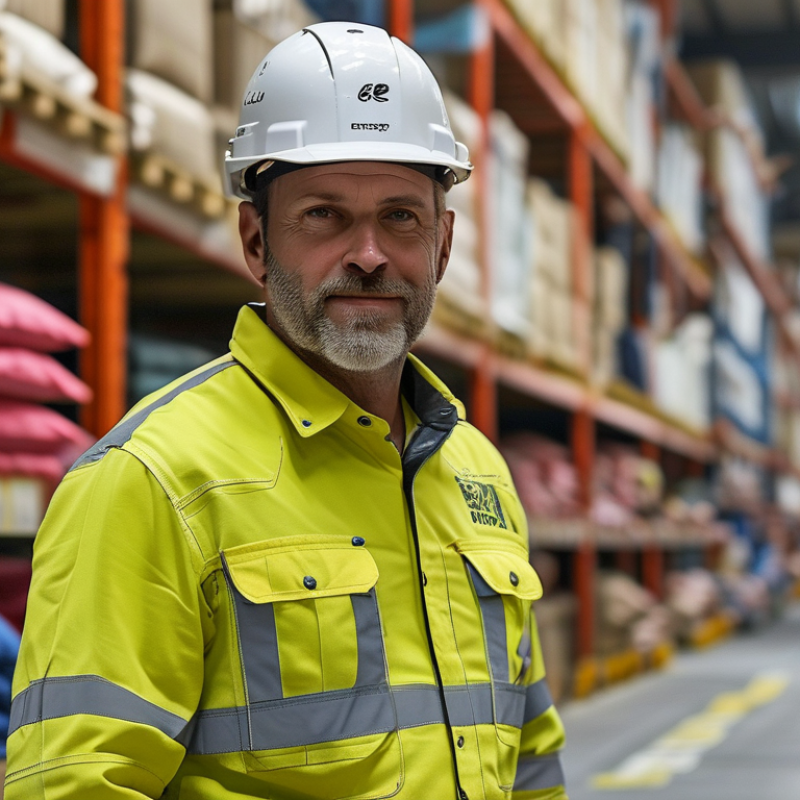
Understanding Hi Vis Shirts and Their Importance in Global Sourcing
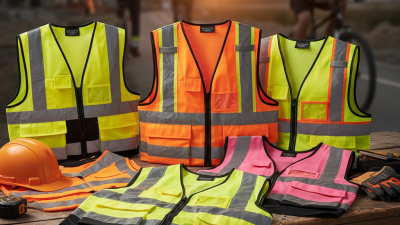
Hi Vis shirts, or high-visibility shirts, play a critical role in global sourcing, especially in industries where safety is paramount. These shirts are designed with bright colors and reflective stripes to enhance visibility in low-light conditions. They help protect workers on construction sites, roadways, and manufacturing facilities. Understanding their features is essential for anyone involved in sourcing.
When sourcing Hi Vis shirts, it's important to consider fabric quality. Lightweight and breathable materials ensure comfort during work. Look for moisture-wicking properties to keep workers dry. Also, durability is key; shirts must withstand harsh conditions yet remain visually effective. Some manufacturers offer a range of styles, but not all meet safety standards. This variability can lead to discrepancies in worker safety.
Regularly reviewing supplier compliance is necessary. Just because a shirt looks good doesn't mean it's certified for safety. Workers' safety is non-negotiable, and substandard products can result in accidents. Evaluating sourcing partners based on their expertise and reliability is crucial. Knowing the materials and certifications is important in making informed decisions.
Top Quality Hi Vis Shirts for Global Sourcing Needs
Key Features to Look for in Top Quality Hi Vis Shirts
When sourcing quality Hi Vis shirts, certain features stand out. High visibility fabric is essential. Look for materials that meet or exceed safety standards. This ensures they reflect light effectively. A good shirt should be made from breathable fabric. Comfort is key, especially for long hours on the job. Consider moisture-wicking properties to stay dry during strenuous activities.
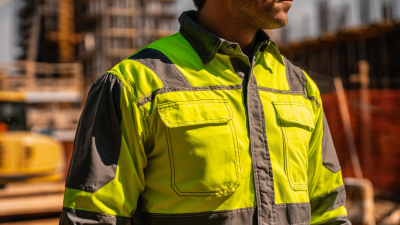
Fit matters. A properly fitting Hi Vis shirt allows for movement. Ensure the shirt has enough room to move around comfortably. Extras like reinforced seams add durability. They can withstand the rigors of demanding environments. Pockets are a practical feature too, providing space for small items. Look for reflective strips that are strategically placed for maximum visibility.
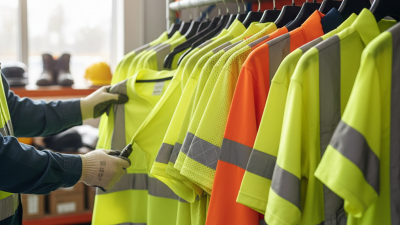
Here are some tips: check for certification labels. These indicate compliance with safety standards. Don’t forget to consider color varieties. Bright colors are essential, but some workplaces may have specific requirements. Finally, test the shirt in real conditions. Comfort and durability can sometimes be overlooked but are crucial for workplace safety. Choosing a high-quality Hi Vis shirt doesn't have to be difficult.
Materials and Fabrics Commonly Used in Hi Vis Shirt Production
When it comes to high visibility (hi vis) shirts, the choice of materials is crucial. Common fabrics include polyester, cotton blends, and reflective materials. Polyester is favored for its durability and moisture-wicking properties. It can withstand tough conditions, making it ideal for various industries.
Cotton blends offer comfort and breathability. They are softer against the skin but may lack some durability. Reflective materials enhance visibility in low-light conditions. Creating effective hi vis shirts often requires a combination of these materials to balance comfort and safety.
While many manufacturers use established fabric types, the industry still faces challenges. Not all fabrics maintain their brightness under harsh conditions. Sourcing fabrics that are both lightweight and strong can be tricky. It's essential to test materials thoroughly to ensure they meet safety standards. This process often leads to more questions than answers, as sourcing decisions directly impact both functionality and wearer experience.
Top Quality Hi Vis Shirts for Global Sourcing Needs
| Material |
Type |
Properties |
Common Uses |
Washability |
| Polyester |
Synthetic |
Durable, Quick-drying |
Construction, Traffic Control |
Machine Washable |
| Cotton |
Natural |
Breathable, Comfortable |
Warehousing, Utilities |
Machine Washable |
| Cotton-Polyester Blend |
Blend |
Soft, Resistant to Wrinkling |
Logistics, Retail |
Machine Washable |
| Nylon |
Synthetic |
Lightweight, Water-resistant |
Outdoor Work, Emergency Services |
Spot Clean Recommended |
| Reflective Fabric |
Special |
High Visibility, Safety |
Construction, Roadwork |
Machine Washable |
Global Suppliers: Where to Find High-Quality Hi Vis Shirts
When sourcing high-visibility (Hi Vis) shirts, it’s crucial to identify reliable global suppliers. The demand for Hi Vis apparel, especially in sectors like construction and transportation, has surged. According to a recent market research report from Grand View Research, the global high-visibility clothing market is projected to reach $4.1 billion by 2026, growing at a CAGR of 6.8%. This statistic highlights the growing need for durable, safety-compliant clothing.
Finding quality suppliers can be challenging. Many manufacturers claim to provide best-in-class Hi Vis shirts, but not all meet safety standards. Look for suppliers who adhere to ISO 20471 standards, which outline the requirements for high-visibility clothing. These standards ensure that products enhance visibility in various lighting conditions. It’s also essential to verify the fabric quality, as subpar materials can compromise safety.
Numerous online platforms offer extensive supplier directories. Utilize B2B marketplaces that focus on safety gear. User reviews and ratings can provide insights into supplier reliability. Engaging with industry forums can also facilitate connections with vetted manufacturers. While ample options exist, careful selection is imperative to ensure you receive products that genuinely meet safety standards.
Regulations and Standards for Hi Vis Apparel in Different Markets
High visibility (hi vis) apparel is crucial in many industries. Different markets have specific regulations and standards for these garments. Understanding them is essential for global sourcing. In the European Union, EN ISO 20471 specifies the requirements for high visibility clothing. It determines the color and reflective properties of fabrics used in work gear. Meanwhile, in the United States, ANSI/ISEA 107 outlines similar standards but with a focus on the performance of the fabric. Compliance enhances safety and reduces liability for employers.
Choosing the right supplier involves more than just price. Look for suppliers who demonstrate a strong understanding of local regulations. They should provide documentation proving their clothing meets necessary standards. Testing garments in real-world conditions is often overlooked. This practice helps identify potential failures before they occur in the field.
Tips: Request samples to assess quality. Ensure reflective materials are durable and tested. Investigate your supplier's track record in compliance. This can save you from costly mistakes. As industries evolve, standards may change, requiring regular checks and updates. Keep an eye on your sources to maintain compliance.