Top Hi Vis Vest Trends for 2026 What to Look For?
As we approach 2026, the trends for Hi Vis Vests are evolving rapidly. John Smith, a leading expert in safety apparel, notes, "Visibility is more than just a color; it’s about protecting lives." That's a powerful reminder of the critical role these vests play in various industries.
In this year, the focus will be on enhanced materials and innovative designs. Expect to see more breathable fabrics that increase comfort without compromising visibility. The industry has been slow to adapt, but there is an undeniable push for sustainability as well. Eco-friendly materials could redefine how we think about Hi Vis Vests.
Moreover, technology integration is on the rise. Smart vests equipped with LED lights or reflective strips could transform safety gear. Yet, it’s essential to reflect on the balance between innovation and practicality. While these advancements are exciting, they must serve the primary goal of safety. The road ahead for Hi Vis Vests is promising, but care must be taken to maintain their essential functions.
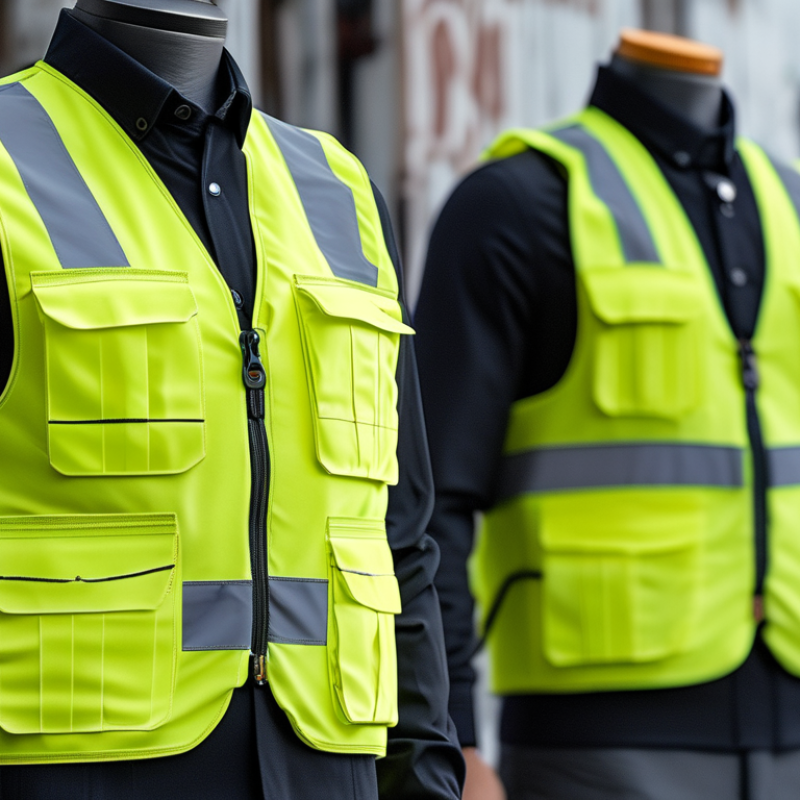
Top Hi Vis Vest Trends for 2026: Innovations in Safety Apparel Design
In 2026, safety apparel continues to evolve, with hi-vis vests leading the charge in innovation. Designers are focusing on functionality without compromising on style. Bright colors combined with reflective materials enhance visibility. Fabrics are getting lighter while ensuring durability, catering to various work environments. This balance is crucial for worker comfort and safety.
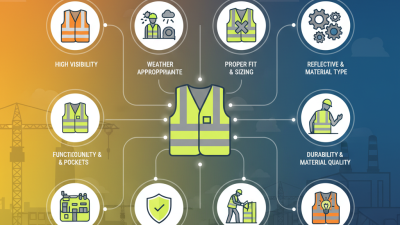
Tips: When selecting a hi-vis vest, prioritize the fit. A vest that is too loose can hinder movement, while a tight fit may restrict airflow. Look for vests that feature pockets for essentials, as practicality goes hand in hand with safety. Think about the weather. Some vests are designed to be breathable for hot days, while others offer insulation against the cold.
Sustainability is another growing trend. Many manufacturers are moving towards eco-friendly materials. This shift not only benefits the environment but also appeals to consumers seeking responsible choices. However, the challenge remains. Balancing sustainability with performance can be tricky. Consider the long-term impact when investing in safety apparel. It’s essential to reflect on how these choices affect both the user and the planet.
Top Hi Vis Vest Trends for 2026
This chart displays projected market trends for Hi Vis Vests in various industries, highlighting the growth in adoption of innovative safety apparel designs.
Sustainable Materials in Hi Vis Vests: Eco-Friendly Trends for 2026
As we move into 2026, the use of sustainable materials in high-visibility vests is taking center stage. Eco-friendly fabrics are becoming more accessible. Many companies are exploring options like recycled polyester and organic cotton. This shift is not just about compliance. It's about a deeper commitment to environmental responsibility.
Consumers are increasingly aware of their choices. They want products that support their values. A vest made from recycled materials can reduce waste while enhancing visibility. Look for features like breathable fabrics and moisture-wicking technology. These innovations increase comfort and performance. Yet, it’s essential to consider the entire life cycle of these products.
Even with advancements, challenges remain. Sourcing eco-friendly materials can be inconsistent. Not all manufacturers prioritize sustainability. Selecting a vest requires careful consideration. It’s not always simple. Transparency in production processes is critical. Understanding materials and their impact guides better decisions. As trends evolve, so does the scrutiny of environmental claims. Awareness is key for consumers striving for a greener future.
Enhancements in Visibility Technology: Smart Fabrics for Hi Vis Vests
In 2026, the evolution of high visibility vests is driven by advancements in visibility technology, particularly smart fabrics. These innovative materials go beyond traditional fluorescent colors. They can adapt to various light conditions, enhancing safety for workers on job sites. Imagine a vest that brightens in low-light settings, catching attention when it’s most needed.
When considering hi vis vests, look for those with integrated LED lights. These lights can pulse or change colors based on environmental conditions. This added feature can significantly increase visibility during night shifts or in poor weather. Such advancements ensure that safety remains a priority in various work environments.
Tips for choosing effective hi vis vests include checking the fabric’s breathability. A vest that feels comfortable allows for extended wear without discomfort. Also, assess the vest's weight; lightweight options can improve movement and agility. Remember, an uncomfortable vest might lead to neglected safety. Smart technology in safety attire is promising. But consider your personal needs to find the right fit.
Regulatory Changes Impacting Hi Vis Vest Standards by 2026
Regulatory changes in hi-vis vest standards are crucial for workplace safety. By 2026, new guidelines may reshape the industry landscape. It's essential for businesses to stay informed about these evolving regulations. Increased visibility requirements could become the norm.
Changes may focus on materials, colors, and reflective properties. Vests might need enhanced visibility in various lighting conditions. Reflective strips could be mandated in different patterns to ensure broader safety. Compliance is not just a legal responsibility; it affects worker safety and overall productivity.
However, adhering to new standards can be challenging. Companies may struggle to update existing inventory. There’s also the question of training employees to wear these vests effectively. Organizations should prepare for additional costs but emphasize the importance of safety. Investing in compliant vests is an investment in safety culture.
Consumer Preferences Shaping Hi Vis Vest Trends in 2026 Market Analysis
As we approach 2026, consumer preferences are central to shaping the trends in Hi Vis vests. Safety and visibility remain paramount for users in various industries. Workers prioritize materials that not only enhance visibility but also provide comfort during long hours. Fabrics with moisture-wicking properties are emerging as a favored option, making vests more wearable in diverse conditions.
Design innovation plays a crucial role in this evolution. Consumers prefer Hi Vis vests with adjustable features for a personalized fit. Reflective accents are also gaining popularity, enhancing safety while adding a style element. However, the challenge lies in balancing functionality and aesthetics. Many vests fall short in this regard, often sacrificing comfort for visibility.
Sustainability has made its mark too. Eco-conscious consumers seek vests made from recycled materials. This reflects a growing demand for responsible production practices. Some manufacturers still struggle with this aspect, highlighting a need for improvement in sourcing and materials. As consumer expectations evolve, brands must adapt to stay relevant.