High Visibility Vest Buying Guide for Global Buyers
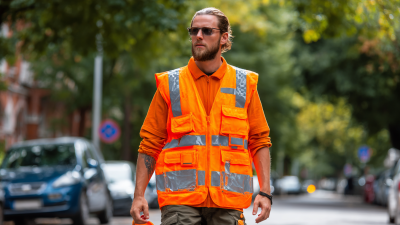
Choosing the right High Visibility Vest is crucial for safety and visibility in various environments. These vests are essential for workers in construction, roadwork, and emergency services. They come in different styles, materials, and colors. Understanding these options helps buyers make informed decisions.
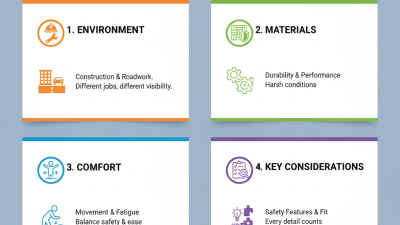
When selecting a High Visibility Vest, consider the specific needs of your work environment. The level of visibility required may vary. Bright colors and reflective strips play a vital role in ensuring safety. However, not all vests provide adequate protection in adverse weather conditions. It’s important to choose one that balances visibility with durability.
Buyers should also reflect on comfort and fit. A vest that is too loose or too tight can hinder movement. Features like adjustable straps and breathable fabric can enhance usability. Ultimately, investing time in research will lead to better choices and increased safety on the job. Make informed decisions to ensure the best protection for you and your team.
Understanding the Importance of High Visibility Vests in Safety
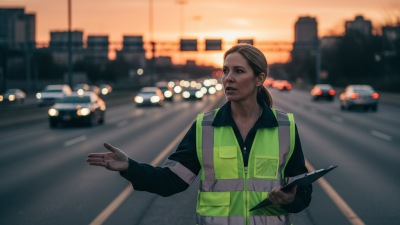
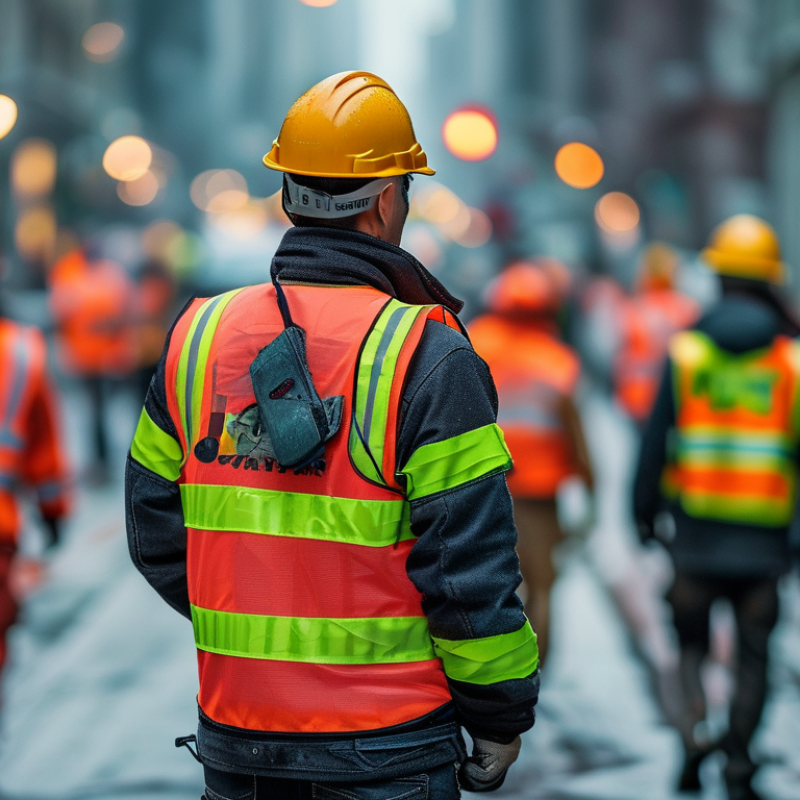
High visibility vests play a crucial role in enhancing safety across various industries. Workers in construction, road maintenance, and emergency services often wear these garments. The vibrant colors and reflective strips catch the attention of drivers and other workers. This visibility significantly reduces the risk of accidents. In low-light conditions, these vests are especially vital. They ensure that personnel are seen from a distance, creating a safer work environment.
However, not all high visibility vests are created equal. The standards for visibility can vary by region and industry. Many buyers may struggle to understand these guidelines. Some might opt for cheaper options, compromising safety. It's essential to prioritize quality and compliance with safety regulations. Remember, investing in proper gear isn't just about compliance; it’s about protecting lives. A vest's effectiveness hinges on factors like fit and comfort as well. If a vest is too loose or tight, it may hinder movement. Reflecting on these aspects can lead to better purchasing decisions.
Key Features to Consider When Buying High Visibility Vests
When selecting high visibility vests, consider the fabric's quality. Look for lightweight, breathable materials. These fabrics should also be durable. Ensure the vest can endure various weather conditions. Visibility is paramount. Choose vests with reflective strips positioned both vertically and horizontally. This ensures maximum visibility from all angles.
Tip: Always check for the vest's compliance with safety standards. This is crucial for ensuring it meets necessary regulations.
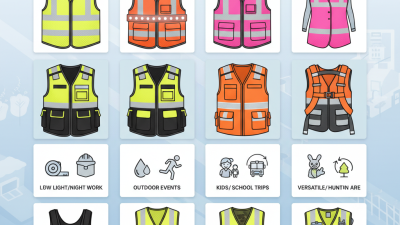
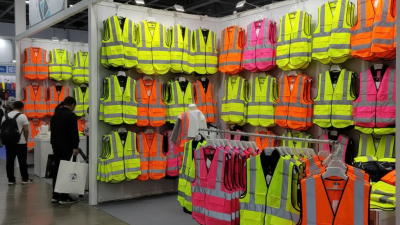
Color is another essential factor. Neon colors like yellow and orange stand out in the daytime. Bright green vests work well in wooded areas. Think about where the vest will be used. Different environments may require specific colors.
Additionally, consider pockets and adjustability. Functional pockets add utility. Adjustable straps help achieve a better fit. An ill-fitting vest may hinder movement and comfort.
Tip: Test the vest before purchasing. Ensure it allows ease of movement. It should not restrict your activities. When selecting the right vest, prioritize comfort alongside safety.
High Visibility Vest Buying Guide for Global Buyers - Key Features to Consider When Buying High Visibility Vests
| Feature |
Description |
Importance |
Considerations |
| Color |
Bright colors such as fluorescent yellow, orange, or green for maximum visibility. |
High |
Ensure compliance with safety standards in your region. |
| Reflective Strips |
Strips that reflect light for increased visibility in low-light conditions. |
High |
Check placement and width of strips for better coverage. |
| Material |
Durable and breathable materials for comfort during wear. |
Medium |
Consider weather conditions and work environment. |
| Size and Fit |
Available in various sizes to ensure a proper fit. |
High |
Refer to sizing charts and consider layering. |
| Pockets |
Convenient pockets for tools and personal items. |
Medium |
Evaluate the number and accessibility of pockets. |
| Compliance Standards |
Meets safety regulations such as ANSI or EN standards. |
High |
Verify authenticity of compliance labels. |
Types of High Visibility Vests and Their Recommended Uses
When selecting high visibility vests, understanding the types available is crucial. There are two main categories: Class 1 and Class 2 vests. Class 1 vests offer minimal visibility. They are suitable for low-risk environments, such as warehouses. These vests usually feature basic fluorescent colors and minimal reflective strips.
Class 2 vests provide greater visibility in medium-risk situations, like roadside work. They have more reflective material and brighter colors. This makes them suitable for jobs near moving traffic. Some vests come with additional features, such as pockets and adjustable straps. These details can enhance usability and comfort.
Understanding the right type of vest is essential. However, even with the correct option, one must consider the fit and comfort. A poorly fitted vest can hinder movement and reduce safety. Proper sizing is key to ensuring effectiveness. Always check the material and durability as well. It’s worth investing time to select the right high visibility vest. Details matter when it comes to safety.
Material Selection for Durability and Comfort in High Visibility Vests
Choosing the right material for high visibility vests is crucial. The fabric should ensure durability, comfort, and visibility. Look for materials like polyester and nylon. These fabrics are strong and resistant to wear. They also offer breathable options, enhancing comfort during long shifts.
Tips: Always check for fabric weights. Heavyweight materials provide more durability, while lightweight options offer breathability. It's essential to find a balance based on your work environment.
Reflect on the type of tasks that will be performed. If working in various weather conditions, opt for water-resistant materials. It’s vital to consider that comfort is subjective; what feels great for one user may not suit another. User feedback is invaluable when making a decision.
Consider additional features like reflective strips. These enhance visibility in low-light conditions. Always inspect stitching quality; poor stitching can lead to early wear. Your choice of material impacts both safety and comfort in demanding work settings.
Tips for Sizing and Fitting High Visibility Vests for Optimal Performance
When purchasing high visibility vests, sizing and fitting are crucial for performance. A well-fitted vest enhances visibility and comfort. It allows for better movement, which is essential in many job environments.
Consider these tips: Measure your chest and waist accurately. Use a fabric tape for precision. If you are in between sizes, always opt for the larger size. This ensures you won't feel restricted, especially during physical activities. Check the vest length; it should cover your torso without hindering movement.
The material also matters. Look for breathable fabrics that wick away moisture. This feature can prevent discomfort on hot, busy days. Don’t forget to examine the vest's adjustability. Side straps or adjustable hems can provide a snug fit, but ensure they aren't too tight. Reflecting on these factors can lead to a better purchase, enhancing safety and comfort on the job.
High Visibility Vest Sizing and Fitting Data