What is a High Visibility Vest and Why is it Important?
A High Visibility Vest is an essential piece of safety gear. Its bright colors and reflective strips make individuals easily seen in various environments, especially in low visibility conditions. These vests are crucial for workers in construction, road maintenance, and outdoor activities. They serve as a protective tool, minimizing the risk of accidents.
The significance of wearing a High Visibility Vest cannot be overstated. In busy areas, drivers must see workers to avoid collisions. In dim light, these vests ensure that individuals stand out. Studies indicate that visibility can reduce accident rates by up to 50%. This statistic emphasizes the vest's role in safety, highlighting its importance.
However, not all high visibility vests are created equal. It's vital to choose the right type for the specific environment. Some vests are designed for day use, while others shine at night. Ensuring proper usage and maintenance is essential for effectiveness. Awareness and education about these differences are often overlooked, but they can greatly enhance safety measures in any work environment.
Definition and Purpose of a High Visibility Vest
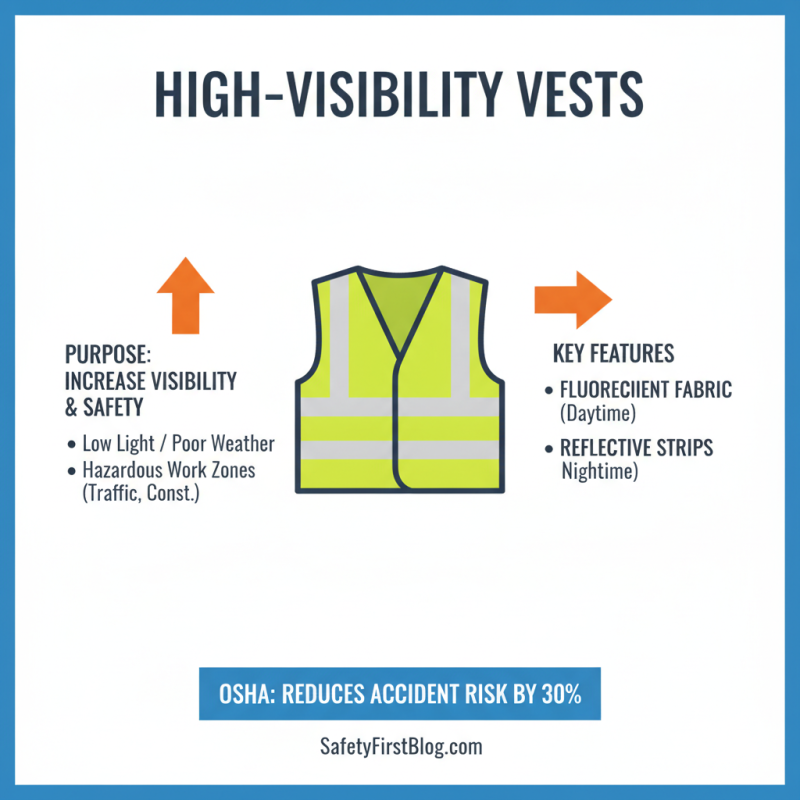
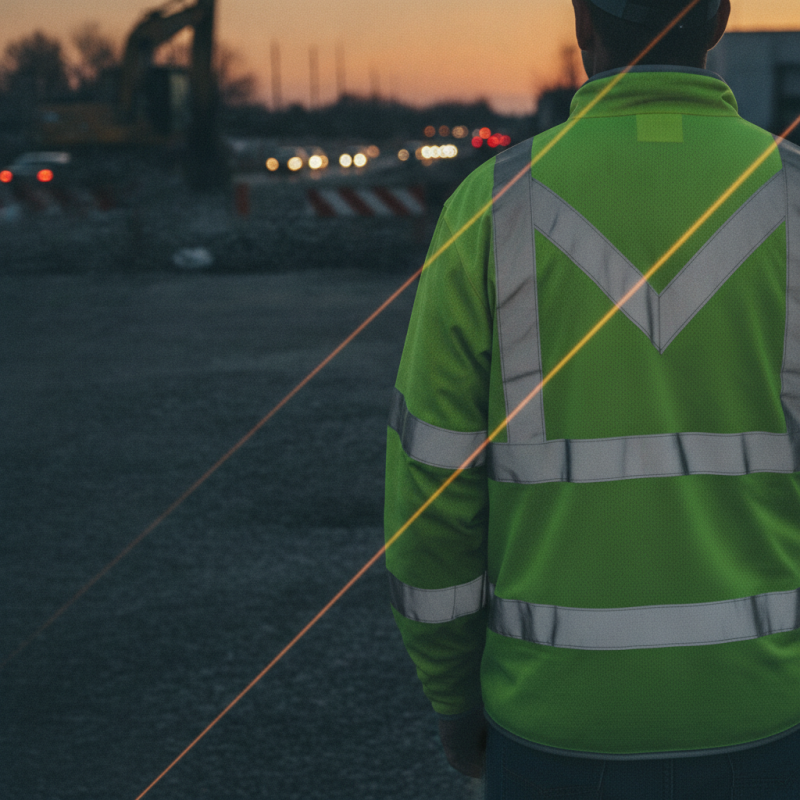
High visibility vests are essential safety gear designed to enhance the visibility of workers in various environments. These vests are often made from fluorescent materials and feature reflective strips. Their bright colors and reflective capabilities ensure that individuals are easily seen, especially in low-light or hazardous conditions. According to the Occupational Safety and Health Administration (OSHA), wearing high visibility clothing can reduce the risk of accidents by up to 30% in construction and roadside work.
The primary purpose of a high visibility vest is to prevent accidents. Whether in construction zones, emergency situations, or road works, being seen is crucial. Research from the National Institute for Occupational Safety and Health (NIOSH) indicates that inadequate visibility is a common factor in many workplace accidents. The simple addition of a well-designed vest can drastically lower these risks. Many organizations also emphasize the need for regular inspections of safety gear. Vests that have been faded or damaged fail to provide adequate protection and may lead to catastrophic consequences.
High visibility vests are not merely functional; they symbolize safety in the workplace. Despite their importance, some workers overlook the necessity of wearing them consistently. This inconsistency raises questions about training and awareness in safety protocols. Addressing these gaps is vital for enhancing not just personal safety but also the overall safety culture within an organization. Implementation of effective communication and training programs can significantly improve compliance among workers.
Key Features of High Visibility Vests
High visibility vests are essential safety gear, especially in low-light environments. They feature bright colors and reflective stripes, making the wearer more visible to others. This visibility is crucial in preventing accidents, especially for those working in construction, road maintenance, or emergency services.
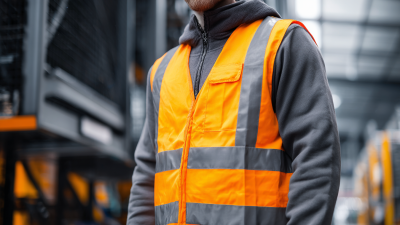
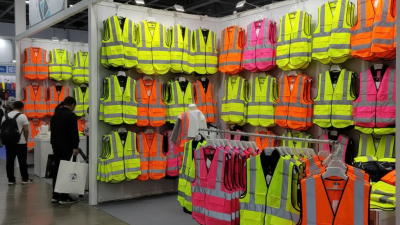
Key features of high visibility vests include the use of fluorescent materials. These materials are typically bright yellow, orange, or green. The reflective strips are strategically placed to catch light from various angles. This design ensures visibility from a distance, even in poor weather conditions. For maximum effectiveness, vests should fit snugly without being restrictive.
Tips: Always inspect your vest for wear and tear. A damaged vest may not provide adequate protection. Ensure it complies with safety standards in your region. Adjust the fit for comfort; loose vests can be a hazard. Regularly clean your vest to maintain its brightness and effectiveness. Even minor dirt can reduce visibility significantly. Choosing the right vest is key, but using it properly is equally important.
High Visibility Vest Features Comparison
High visibility vests are essential for safety in various working environments. The chart above illustrates the importance of key features such as color visibility, reflective material, breathability, durability, and comfort. Understanding these features can help in choosing the right vest for maximum safety and comfort.
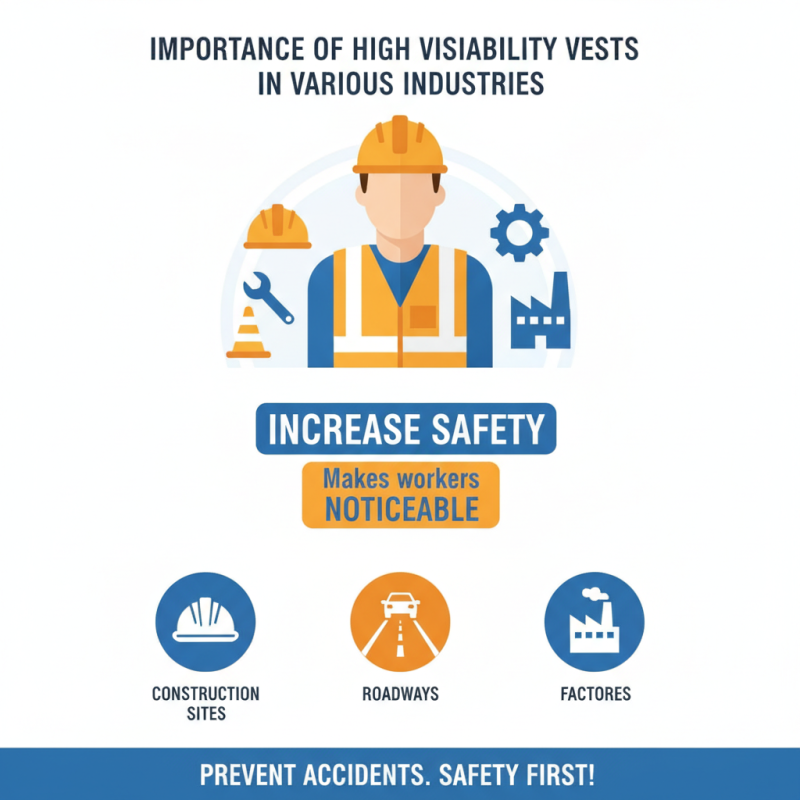
Importance of High Visibility Vests in Various Industries
High visibility vests are crucial in many workplaces. They increase safety by making workers noticeable in various environments. Construction sites, roadways, and factories are just a few examples where these vests can prevent accidents. Wearing one can be the difference between safety and harm.
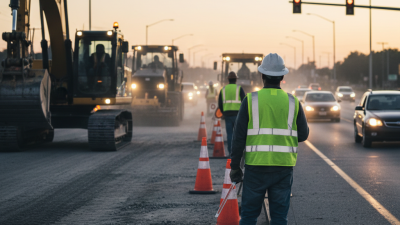
Different industries address unique challenges. In construction, workers often maneuver around heavy machinery. A high visibility vest helps operators spot individuals in their path. Similarly, road crews work beside fast-moving traffic. The brightly colored vests signal their presence to drivers. This visibility is vital for minimizing injury.
Yet, not all vests are created equal. Quality can vary, affecting the level of visibility offered. It's not enough to simply wear a vest; workers must ensure it meets safety standards. In some cases, workers may overlook this aspect. This is a critical detail that needs attention. Achieving safety requires both awareness and diligence.
Regulations and Standards for High Visibility Apparel
High visibility vests are crucial in various work environments. They ensure the safety of workers, especially in high-risk areas like road construction. The American National Standards Institute (ANSI) sets rigorous standards for high visibility apparel. According to ANSI/ISEA 107, there are specific requirements for color, retroreflectivity, and design. Compliance with these standards can significantly reduce accident rates.
The standard defines three classes of vests. Class 1 is primarily for use in parking lots. Class 2 is suitable for environments with low visibility, like urban streets. Class 3 offers the highest level of visibility and is ideal for employees near moving traffic. The Bureau of Labor Statistics reports that proper use of high visibility gear can prevent over 30% of workplace accidents.
While many companies meet these regulations, challenges persist. Some workers face uncomfortable fits, limiting their willingness to wear them. Inadequate training also leads to misuse of these vests. As safety professionals, we must address these concerns and advocate for better designs and comprehensive education on proper use.
What is a High Visibility Vest and Why is it Important?
| Feature |
Description |
Importance |
Regulations and Standards |
| Color |
Bright fluorescent colors (e.g., yellow, orange, and pink) |
Enhances visibility in various environments |
ANSI/ISEA 107-2020 |
| Retro-reflective Material |
Reflective strips or bands |
Improves visibility during low light conditions |
OSHA Regulations |
| Fit and Comfort |
Adjustable sizes, breathable fabric |
Encourages consistent use among employees |
EN ISO 20471 |
| Durability |
Resistant to wear and tear |
Ensures long-term use and cost-effectiveness |
ASTM D751 |
| Usage Areas |
Construction sites, road work, emergency services |
Increases safety for workers in hazardous environments |
Various industry-specific standards |
Tips for Choosing the Right High Visibility Vest
Choosing the right high visibility vest can be crucial for safety. A vest's color and reflectivity determine its effectiveness. Bright fluorescent colors like neon yellow or orange stand out in various environments. When selecting a vest, consider the setting where it will be used. Different workplaces may have different visibility requirements.
Fit is another important factor. An ill-fitting vest can reduce visibility and comfort. It should allow for easy movement without being too loose. Look for vests with adjustable straps or sizes available. Ensure that the vest meets relevant safety standards. This can increase trust in its effectiveness and durability.
Also, think about additional features. Some vests offer pockets for convenience or extra reflectivity for nighttime safety. However, these features can sometimes complicate the design. Balance style and function when making your choice. Reflect on your specific needs and test various options to find what works best for your situation.