High Visibility Vest Tips for Safety and Compliance Best Practices?
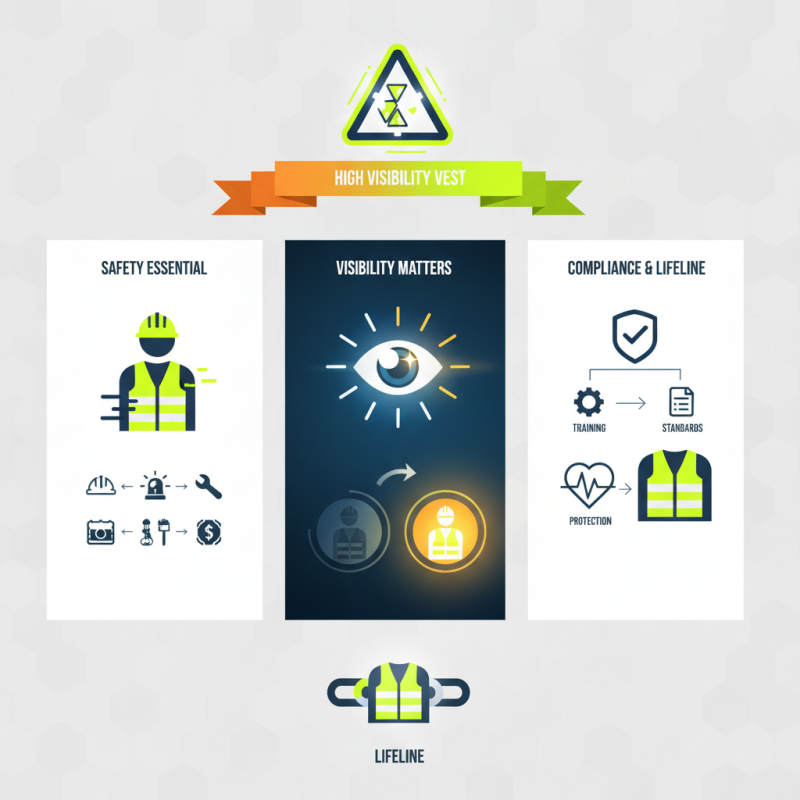
High Visibility Vests are essential for safety in various industries. John Smith, a safety compliance expert, emphasizes, "Visibility saves lives." These garments enhance the visibility of workers, especially in low-light conditions. They are crucial in construction sites, road work, and emergency services.
Many workers underestimate the need for a high visibility vest. They often think, “I can be seen.” However, the reality is different. A properly worn vest can make the difference between safety and danger. Color choices and reflective materials matter greatly.
Compliance with safety standards is critical. Regulations may vary by region, but the purpose remains the same: protect workers. Ignoring these guidelines invites risks. A high visibility vest is more than just a piece of clothing; it is a lifeline. Reflecting on this, the importance of consistent training and adherence to best practices becomes clear.
Importance of High Visibility Vests in Safety Compliance
High visibility vests are essential in many work environments. They ensure workers are seen, especially in poor lighting or high-traffic areas. Wearing these vests can reduce the risk of accidents. When employees are more visible, they can avoid hazardous situations. This visibility fosters a culture of safety that benefits everyone.
Adopting high visibility vests is not just a choice; it is a necessity. Many industries, especially construction and transportation, mandate their use. However, some workers still overlook this requirement. Such negligence can lead to serious consequences. Compliance is crucial, yet reminders often fall on deaf ears. Regular training sessions can help reinforce the importance of wearing vests.
It is also vital to choose the right vest. Vests should meet safety standards and be in good condition. Faded or damaged vests lose their effectiveness. Workers must regularly inspect their gear, but this practice is often forgotten. Cultivating a habit of checking one’s equipment can enhance overall workplace safety.
Key Features to Look for in High Visibility Vests
High visibility vests are critical for safety across various industries, especially in construction and road work. When choosing a high visibility vest, one must look for several key features. First, compliance with ANSI/ISEA 107 standards is crucial. This ensures the vest meets visibility requirements in low-light conditions. According to industry studies, 40% of work-related accidents happen in such conditions.
Bright colors are vital. Neon yellow and orange are the most effective for catching attention. These colors improve visibility by 250% in adverse weather, according to a report by the Occupational Safety and Health Administration (OSHA). Reflective strips enhance safety by providing 360-degree visibility.
Tips for selecting the right vest include ensuring a comfortable fit. Ill-fitting vests can hinder movement. Consider vests with adjustable features. Also, check for extra pockets for tools. They provide convenience on the job. Finally, analyze the vest's fabric. Breathable materials keep the wearer cool, while durable fabrics withstand harsh conditions. Each detail plays a role in overall safety and compliance.
Regulations and Standards for High Visibility Clothing
High visibility clothing is essential for various work environments. Regulations dictate specific standards for these apparel types. In many regions, high visibility vests must meet ANSI/ISEA 107 or EN 20471 standards. Compliance ensures that workers are seen in low light conditions and hazardous areas.
Consider the color and design of a high visibility vest. Bright colors like neon yellow or orange enhance visibility. Reflective strips increase safety, especially at night. The fit matters too. A loose vest can be dangerous as it may get caught in machinery.
Here are some tips for proper use. Always wear the vest when required, even during short tasks. Inspect your vest regularly for wear and tear. A damaged vest may not provide adequate visibility. Make sure the vest is clean; dirt can reduce reflectivity. Regular training on safety practices is vital. It keeps everyone informed about compliance and the importance of high visibility gear in their daily tasks.
Best Practices for Wearing High Visibility Vests Effectively
High visibility vests are essential for safety in various environments. To wear them effectively, it’s important to follow specific best practices. Make sure the vest fits well. A vest that is too loose can be a distraction. Conversely, a tight vest may restrict movement. Test it out during a normal workday.
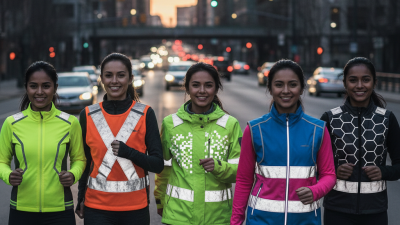
Colors matter. Bright neon colors, like yellow or orange, stand out against backgrounds. However, consider the environment you’ll be in. If you’re in a dim area, a reflective vest may be necessary. Check for reflective strips, too. These strips enhance visibility, especially in low light.
Recognize the limitations of high visibility gear. It does not replace situational awareness. Always be mindful of your surroundings. Vests can be less effective if covered by jackets or other gear. Ensure that your vest remains visible. When in doubt, prioritize clear communication with your team.
Maintenance and Care Tips for Longevity of High Visibility Vests
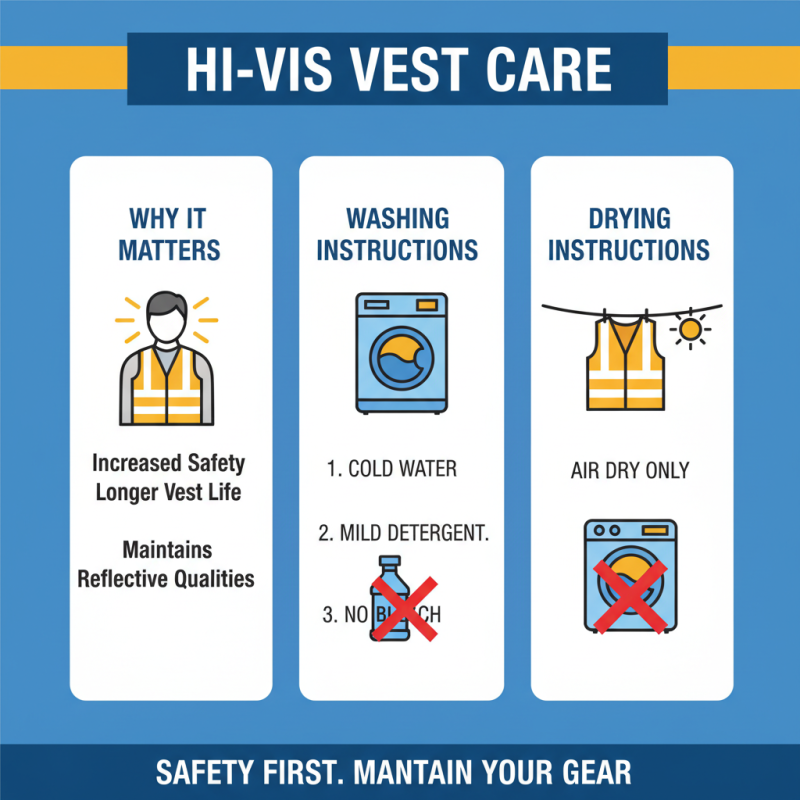
High visibility vests are essential for safety in various work environments. Proper maintenance is crucial for their longevity. Regular cleaning is necessary to maintain the brightness of reflective materials. Unfortunately, many users neglect this simple task. It's recommended to wash vests in cold water with mild detergent. Hot water can degrade reflective qualities. Air drying is best; using a dryer can cause unnecessary wear and tear.
Inspecting the vest regularly is another key point. Look for frayed edges or loose stitches. These flaws can compromise safety. Additionally, ensure the reflective strips remain intact and brightly colored. Some users might overlook small damages, but they can lead to serious issues. Store vests in a cool, dry place away from direct sunlight. Prolonged exposure can fade colors and affect visibility.
Also, consider the frequency of use. Vests worn daily may need more frequent checks and washes compared to occasional use. Be aware that even minor stains can diminish visibility. Regular maintenance can extend the life of high visibility vests and improve safety on the job. Reflect on your habits and make necessary adjustments for better care.